
Introduction
The way businesses communicate with customers is changing as digital technology becomes an increasingly important part of commercial environments. Traditional printed posters, banners, and static information boards are gradually being complemented by electronic displays that provide more flexible and engaging communication options.
Digital signage has become a useful solution for businesses that want to present advertisements, share announcements, display product information, and improve customer experiences. From shopping malls and restaurants to hospitals, educational institutions, hotels, and corporate offices, digital signage systems support a wide range of communication requirements.
Investing in digital signage solutions in Pakistan can help organizations modernize their advertising infrastructure and communicate with customers through dynamic visual content.
Understanding the different types of digital signage, their applications, and the factors involved in selecting the right system can help businesses make better technology investments.
What Are Digital Signage Solutions?
Digital signage refers to the use of electronic screens to display multimedia content, including advertisements, videos, images, announcements, menus, and informational messages.
These systems can use LED screens, LCD displays, video walls, digital standees, and other electronic display technologies.
Unlike conventional printed materials, digital signage allows businesses to update their content electronically. Depending on the system, content can be managed through USB devices, connected computers, or network-based content management software.
Common digital signage applications include:
Retail advertising and product promotions.
Restaurant menus and special offers.
Shopping mall announcements.
Corporate communication.
Hospital information displays.
Hotel welcome screens.
Educational announcements.
Event and exhibition promotions.
How Do Digital Signage Systems Work?
A digital signage system generally consists of three main elements: a display, a content source, and a management or control system.
1. Digital Display
The screen presents the visual content to the audience. Depending on the installation requirements, businesses can use indoor LED displays, outdoor LED screens, LCD screens, or larger video walls.
2. Content Source
The content source provides the images, videos, text, and promotional materials displayed on the screen.
This may include a media player, computer, USB device, or network-connected content platform.
3. Content Management System
A content management system allows businesses to organize and update the information displayed on their screens.
Depending on the software, organizations may be able to schedule advertisements, manage multiple screens, and update content remotely.
Together, these components create a digital communication system that can be adapted to different commercial requirements.
8 Major Benefits of Digital Signage for Businesses
1. More Engaging Advertising
Digital signage allows businesses to use videos, animations, product demonstrations, and attractive visual graphics instead of relying entirely on static promotional materials.
For example, a clothing retailer can display its latest collection, while a restaurant can showcase food photography and promotional offers.
Dynamic content can make advertisements more noticeable and provide customers with a more engaging visual experience.
2. Easy Content Updates
One of the biggest advantages of digital signage is the ability to update promotional information without printing and installing new materials.
Businesses can change advertisements according to:
Seasonal promotions.
Product launches.
Special discounts.
New service announcements.
Upcoming events.
Changes in business hours.
This makes digital signage particularly useful for organizations that frequently update their marketing messages.
3. Improved Customer Communication
Digital signage can help businesses communicate important information more clearly.
For example, hospitals can display department information, restaurants can present menus, and shopping malls can communicate promotional announcements.
Customers can access relevant information through clearly positioned screens without depending entirely on printed notices or staff assistance.
4. Consistent Brand Presentation
Brand consistency is important for businesses operating across multiple locations.
Digital signage allows organizations to display consistent logos, colors, promotional messages, and visual content across their screens.
A retail chain, for instance, can use a standardized digital advertising campaign in different branches.
This supports a more consistent brand presentation across commercial environments.
5. Multiple Content Options
Digital signage systems can display different types of content through the same screen.
Depending on the hardware and software, businesses may use their displays for:
Promotional videos.
Product images.
Advertisements.
Informational messages.
Announcements.
Digital menus.
Event schedules.
This flexibility allows organizations to use their display infrastructure for different communication purposes.
6. Better Use of Commercial Spaces
Businesses can install digital displays in entrances, reception areas, waiting rooms, corridors, showrooms, and other locations where customers are likely to notice them.
For example, hotels can display welcome messages in reception areas, while shopping centers can use digital signage for advertisements and visitor information.
Strategic screen placement can make commercial spaces more informative and visually organized.
7. Reduced Dependence on Printed Advertising
Printed materials require recurring design, production, and replacement whenever information changes.
Digital signage provides a reusable advertising platform that allows businesses to update messages electronically.
Although digital displays involve an initial equipment investment, they can reduce certain recurring printing requirements over time.
Actual savings depend on equipment costs, maintenance, energy consumption, and how frequently promotional materials are changed.
8. Scalable Communication Across Multiple Locations
Businesses operating several branches may need a consistent way to communicate promotional information.
Network-connected digital signage systems can allow organizations to manage multiple displays through compatible software.
Depending on the platform, businesses may update content centrally, schedule campaigns, and distribute announcements across different locations.
This can simplify digital communication for organizations with multiple commercial sites.
Types of Digital Signage Displays for Businesses
Different businesses require different display technologies depending on their location, viewing distance, and content requirements.
1. Indoor LED Digital Signage
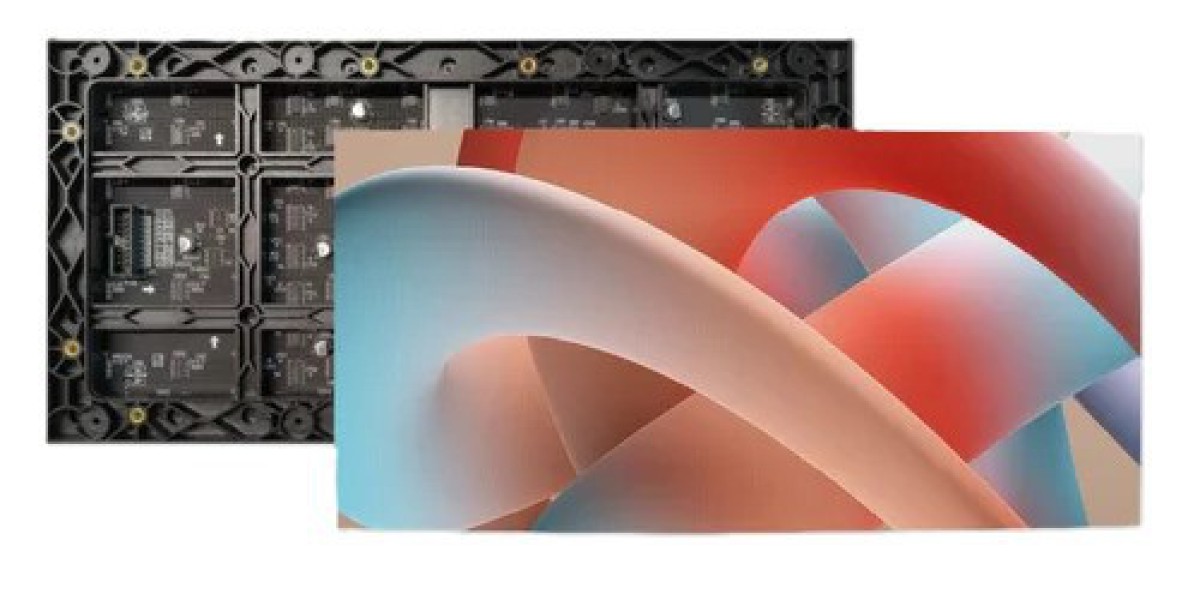
Indoor LED displays are commonly installed in shopping malls, retail stores, hotels, conference halls, and corporate offices.
They can be used to display advertisements, promotional videos, announcements, and brand content.
Businesses should consider pixel pitch, viewing distance, brightness, and screen dimensions when selecting indoor LED signage.
2. Outdoor LED Digital Signage
Outdoor digital signage is designed for installations exposed to daylight and environmental conditions.
These displays are commonly used for outdoor advertising, commercial buildings, roadside promotions, and public information systems.
Brightness, weather protection, structural support, and electrical safety are important selection factors.
3. Digital Standee Displays
Digital standees are freestanding electronic screens designed to display promotional and informational content.
They are suitable for shopping malls, showrooms, restaurants, hotels, and exhibition spaces.
Their vertical design makes them convenient for locations where wall-mounted displays may not be practical.
4. LED Video Walls
LED video walls combine multiple display modules to create a large visual surface.
Businesses can use them for corporate presentations, shopping mall advertisements, events, and large commercial installations.
They are particularly useful when organizations need large-format visual communication.
5. LCD Digital Signage
LCD screens are commonly used for menus, reception information, retail promotions, and indoor announcements.
They are available in different sizes and can be integrated with compatible media players and content management platforms.
The right display technology depends on the viewing distance, screen size, lighting conditions, and project budget.
Digital Signage Applications Across Different Industries
Digital Signage for Shopping Malls
Shopping malls can use digital displays to promote retail brands, announce events, communicate special offers, and provide visitor information.
Large LED screens and digital standees can also support advertising campaigns across different commercial areas.
Digital Signage for Restaurants
Restaurants can use digital signage to display menus, food images, promotional offers, and seasonal specials.
Digital menu boards allow restaurants to update prices and product information without replacing printed boards.
Digital Signage for Hospitals
Hospitals and healthcare facilities can use digital displays to communicate general information, department locations, announcements, and patient guidance.
Screens should be positioned carefully to ensure that the information is visible and easy to understand.
Digital Signage for Corporate Offices
Businesses can use digital signage in reception areas, conference rooms, and office corridors to share company announcements, presentations, and internal communication.
Digital Signage for Hotels
Hotels can display welcome messages, event schedules, promotional information, and general guest announcements through electronic screens.
Digital Signage for Educational Institutions
Schools, colleges, and universities can use digital displays for announcements, schedules, event information, and campus communication.
Digital Signage for Retail Showrooms
Retail showrooms can display product demonstrations, new arrivals, promotional campaigns, and detailed product information.
This can help customers understand product features while exploring the showroom.
Indoor vs Outdoor Digital Signage: Understanding the Difference
Businesses should select digital signage according to the environment where the display will operate.
| Feature | Indoor Digital Signage | Outdoor Digital Signage |
|---|---|---|
| Installation | Indoor spaces | Outdoor locations |
| Brightness | Designed for indoor lighting | Higher brightness requirements |
| Environmental protection | Indoor-use requirements | Weather and dust protection |
| Common applications | Malls, offices, restaurants | Billboards, buildings, public spaces |
| Pixel pitch | Often finer for close viewing | Depends on viewing distance |
Indoor and outdoor displays are not interchangeable. Using the wrong display type can affect visibility, reliability, and operating performance.
How to Choose the Right Digital Signage Solution
Selecting suitable digital signage requires understanding your business requirements before purchasing equipment.
1. Identify Your Business Objectives
Start by deciding what you want the display to accomplish.
Do you need it for advertising, customer information, digital menus, corporate communication, or large-format promotional campaigns?
Clear objectives make it easier to select the right display technology.
2. Select the Appropriate Screen Type
Consider whether your project requires an LED screen, LCD display, digital standee, or video wall.
Each technology has different characteristics and installation requirements.
3. Evaluate Screen Size and Resolution
Choose screen dimensions according to the available space and expected viewing distance.
Resolution and pixel pitch should also be considered to ensure that content remains clear at the intended viewing distance.
4. Check Brightness Requirements
The brightness level should match the lighting conditions of the installation area.
Outdoor screens generally require greater brightness than indoor displays.
5. Review Connectivity Options
Check whether the display supports the connectivity options required for your content management setup.
Depending on the system, this may include USB, HDMI, Ethernet, or Wi-Fi.
6. Consider Content Management Software
If your business needs frequent updates, consider a system that makes it easy to upload, organize, and schedule digital content.
Businesses managing multiple screens may benefit from compatible centralized content management software.
7. Evaluate Installation and Technical Support
Before purchasing, review mounting requirements, electrical connections, warranty coverage, maintenance procedures, and technical assistance.
These factors are important for maintaining reliable operation over time.
Digital Signage Installation and Maintenance
Proper installation helps businesses get the most value from their digital display investment.
A typical installation process involves:
Step 1: Site Assessment
Evaluate the installation location, available space, lighting conditions, viewing distance, and structural requirements.
Step 2: Display Selection
Choose the appropriate screen type, dimensions, brightness, and resolution.
Step 3: Mounting and Structural Preparation
Prepare the wall, stand, or supporting structure according to the display's installation requirements.
Step 4: Electrical and Connectivity Setup
Install the required power connections, data cables, media players, and control equipment.
Step 5: Content Configuration
Upload promotional content, test display performance, and configure scheduling features where available.
Step 6: Final Testing
Check screen brightness, image quality, connectivity, and content playback before completing the installation.
Step 7: Regular Maintenance
Inspect the display, connections, ventilation, and supporting equipment according to manufacturer recommendations.
What Affects Digital Signage Prices in Pakistan?
The cost of digital signage varies according to the display technology, screen dimensions, specifications, and installation requirements.
Important pricing factors include:
Screen type and technology.
Display size and resolution.
Pixel pitch for LED displays.
Brightness and refresh rate.
Indoor or outdoor specifications.
Content management software.
Mounting and structural requirements.
Installation and maintenance support.
For an accurate quotation, businesses should provide their installation location, required screen dimensions, intended application, and preferred technical specifications.
Why Choose PAK SMD SCREEN for Digital Signage Solutions?
Selecting a suitable digital signage supplier is important for achieving the right combination of display quality, installation support, and long-term performance.
PAK SMD SCREEN provides digital display solutions for businesses and organizations looking to improve their visual advertising and communication infrastructure.
Its display solution range includes LED display modules, COB LED modules, digital signage, digital standees, and video walls.
Whether you are upgrading a retail showroom, planning a shopping mall advertising installation, or improving communication within a commercial building, choosing suitable display technology can help you achieve your objectives.
Explore PAK SMD SCREEN to learn more about available digital display solutions and discuss your business requirements.
Conclusion
Digital signage has become an effective communication and advertising solution for modern businesses.
Its ability to display dynamic content, update promotional messages, support different display formats, and communicate information across multiple locations makes it suitable for shopping malls, restaurants, hospitals, hotels, educational institutions, and corporate offices.
Before investing in digital signage solutions in Pakistan, businesses should evaluate screen technology, brightness, resolution, connectivity, content management, installation requirements, and technical support.
With proper planning and suitable equipment, digital signage can help organizations modernize their advertising strategies, improve customer communication, and create more professional commercial environments.






