
Choosing where to eat involves more than looking at a menu. Diners consider the occasion, location, atmosphere, price, and service before making a booking. Once they arrive, every interaction contributes to their impression—from the welcome at the entrance to the time it takes to settle the bill.
For restaurants in Dubai, earning repeat visits means paying attention to these details. An appealing dining room may attract interest, but consistent food and thoughtful service give customers a reason to return.
Behind that consistency are practical decisions about menus, staff training, ordering, and daily management.
A clear restaurant concept helps customers understand what to expect. A neighbourhood café might focus on convenient breakfasts and familiar service. A family restaurant may prioritise comfortable seating, shareable dishes, and options for children. A fine-dining venue may build its experience around carefully paced courses and attentive table service.
Problems arise when the promise and the experience do not match. A restaurant presenting itself as a quick lunch destination needs to serve meals within a reasonable break. A venue promoting relaxed evenings should give guests enough time to enjoy their food.
The strongest concept is one the team can deliver consistently.
Menu design plays an important role in that delivery. Guests should be able to understand the dishes, compare options, and see prices without repeatedly asking for clarification. Useful descriptions explain the main ingredients and preparation style without overwhelming the reader.
A manageable menu also gives the kitchen a clearer focus. Adding more dishes introduces more ingredients, preparation tasks, and opportunities for inconsistency. Restaurant owners should review whether each item contributes enough customer interest and financial value to justify its place.
For diners with dietary requirements, clear communication is particularly important. Staff should confirm ingredient questions with the kitchen and accurately communicate what can be accommodated.
Service brings the menu and the setting together. Guests notice when staff acknowledge them promptly, explain delays, and follow through on requests. Good service does not require constant attention at the table; it requires awareness of what the guest needs.
For example, a customer arriving during a busy period may accept a longer wait when the team explains it clearly. The same delay feels different when nobody provides an update.
Training should therefore cover more than taking orders. Staff need to practise handling unavailable dishes, correcting mistakes, and responding to complaints with practical solutions.
Consistency also depends on communication between the dining area and the kitchen. An order with an extra side, a preparation preference, or a change requested by the guest needs to reach the right person clearly.
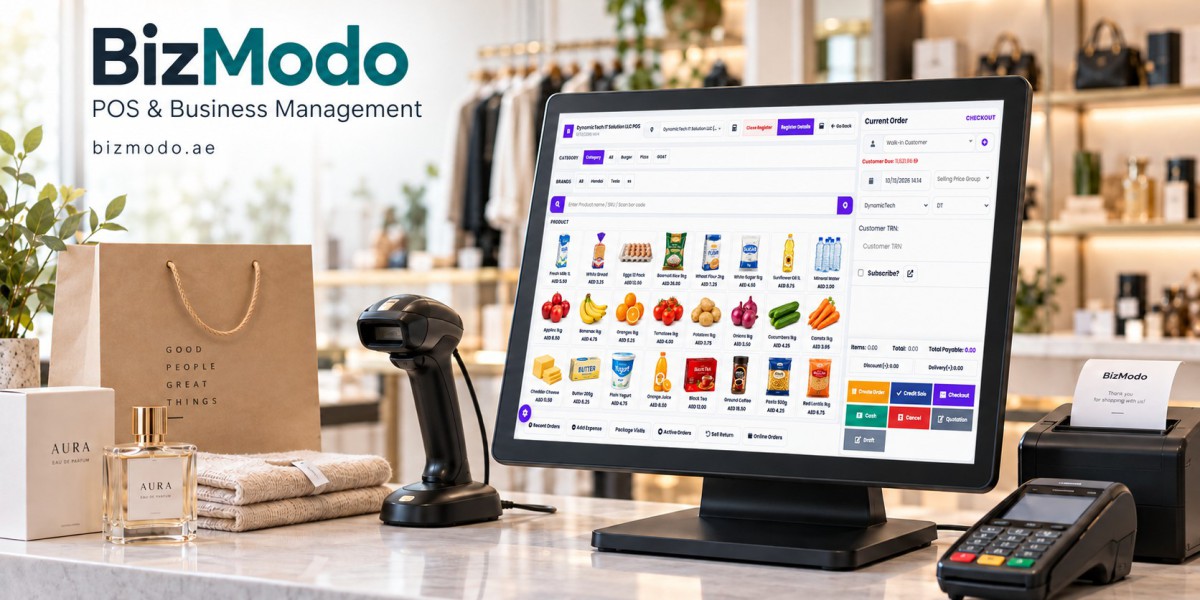
This is where restaurant management technology can support everyday service. A suitable POS system gives staff a structured way to enter orders and record transactions. Depending on its features, it may also support kitchen communication, table management, inventory, and reporting.
For restaurants in Dubai evaluating software, the demonstration should reflect real service conditions. Ask the provider to show how the system handles an additional order at an occupied table, a cancelled item, a split bill, and a refund.
These situations reveal whether the software will help the team during a busy shift.
Stock management deserves the same attention. Running out of a popular dish can disappoint guests, while buying too much creates unnecessary waste. Sales records provide useful evidence about demand, but they need to be considered alongside physical stock counts, preparation waste, and purchasing records.
Managers can use this information to review ordering quantities and production plans. Accurate records are especially useful when several dishes share ingredients or when demand changes between lunch and dinner.
Financial visibility matters too. A full dining room does not automatically mean strong profitability. Ingredient costs, staffing, packaging, discounts, and other operating expenses all affect the result.
Regular reporting helps owners identify questions worth investigating. A popular dish may need a portion review, while a quieter service period may call for a different staffing arrangement. The value comes from acting on the information, rather than simply collecting it.
For businesses exploring operational tools, Bizmodo offers restaurant POS software with tablet ordering, kitchen workflow tools, and inventory management. Its broader POS and ERP offering includes sales reporting and multi-branch management. Restaurant owners can confirm which features match their service model during a product demonstration. bizmodo.ae
Ultimately, memorable restaurants make the entire visit feel considered. Food arrives as described, requests are handled carefully, and payment is straightforward. For restaurants in Dubai, building that experience repeatedly takes clear processes, a well-prepared team, and tools that support the work happening behind every table.






