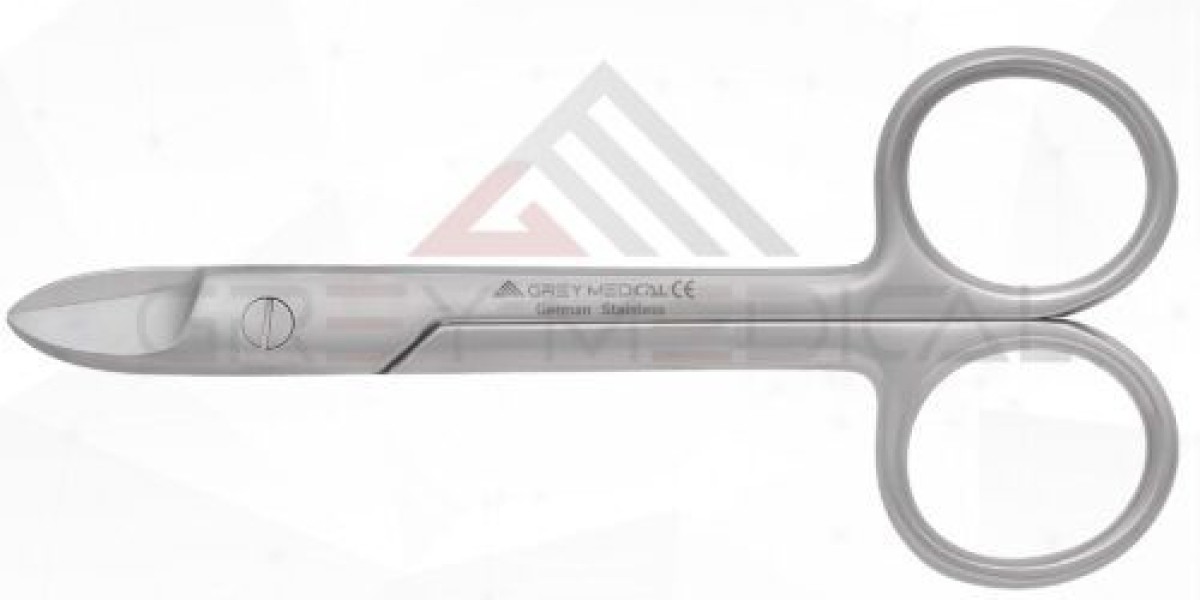

Precision is essential in every surgical procedure, and having the right instruments can make a meaningful difference. Surgical small scissors are important tools used by healthcare professionals for delicate cutting tasks that require accuracy and control. Their compact design allows surgeons to work in smaller or sensitive areas where larger instruments may be difficult to handle. From trimming fine tissues to cutting sutures, these scissors support a wide range of surgical applications.

What Are Surgical Small Scissors?
Surgical small scissors are specialized medical instruments designed for precise cutting during surgical and clinical procedures. They are generally smaller than standard surgical scissors, making them suitable for working in confined spaces and handling delicate materials.
Depending on their design, they may feature straight or curved blades, sharp or blunt tips, and different handle styles. Each variation serves a particular purpose, allowing medical professionals to select an instrument that matches their procedural requirements.
Common Uses of Small Surgical Scissors
Small surgical scissors are commonly used in hospitals, clinics, and operating rooms. Their versatility makes them useful for several medical applications, including trimming sutures, cutting delicate tissues, removing dressings, and performing detailed surgical tasks.
Straight scissors are often preferred for accessible cutting tasks, while curved scissors can provide better access to areas that are difficult to reach directly. The appropriate instrument depends on the procedure, tissue type, and professional requirements.
Important Features to Consider When Choosing Surgical Scissors
Choosing quality surgical instruments requires attention to several important features. Material is one of the first considerations. Medical-grade stainless steel is widely used because it offers durability, corrosion resistance, and compatibility with appropriate sterilization processes.
Blade sharpness and alignment are equally important for consistent cutting performance. Comfortable finger rings and a balanced design can also support better handling during procedures.
Healthcare professionals should consider the following factors when selecting scissors:
Material quality: Durable construction for repeated professional use.
Blade design: Suitable for the intended cutting application.
Ergonomic handling: Comfortable grip and controlled movement.
Maintenance: Easy cleaning and proper sterilization according to manufacturer guidelines.
Why Choose Grey Medical® Surgical Instruments?
Grey Medical® is a privately owned medical technology company dedicated to innovation and excellence in the craft of surgical instruments.
The company understands the importance of reliable instruments in professional medical environments. Its focus on craftsmanship, functionality, and attention to detail supports healthcare professionals looking for dependable surgical equipment.
Whether purchasing dental surgical kit for a hospital, surgical center, or medical practice, choosing products from a trusted supplier is an important step toward maintaining a well-equipped clinical environment.
Conclusion
High-quality surgical small scissors are valuable instruments for medical professionals who require precision, control, and dependable performance. Their compact design makes them suitable for delicate cutting tasks across various surgical applications. By considering blade design, material, comfort, and maintenance requirements, healthcare professionals can make informed purchasing decisions. Grey Medical® remains dedicated to excellence and innovation, providing carefully crafted surgical instruments to support modern medical needs.






