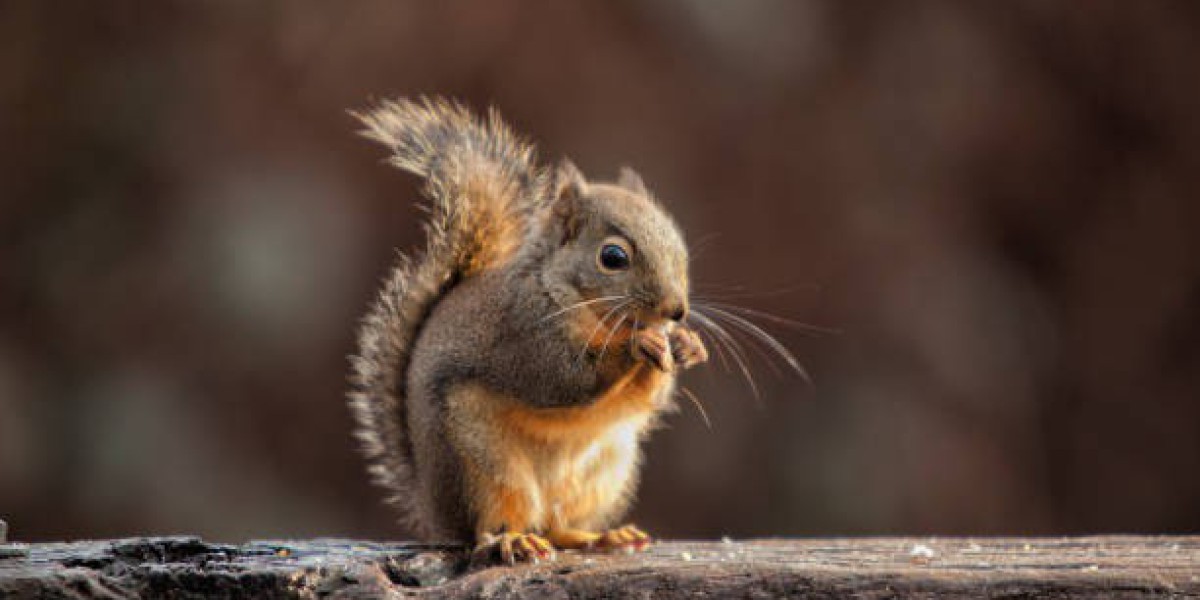

Depends who’s selling it. When people shop for pest resistant insulation, they usually picture a roll of something that bugs, mice, and squirrels all take one look at and avoid. Doesn’t exist. What the label usually means is that the material was treated with something, often borate, that helps against certain insects like ants, roaches, or termites. That’s useful, sure. But a squirrel doesn’t care about borate. A rat doesn’t either, not if it’s cold and wants a bed. So “pest resistant” covers bugs better than it covers anything with big front teeth, and the box rarely says that part out loud.
Why Do Animals Go Straight for Attic Insulation?
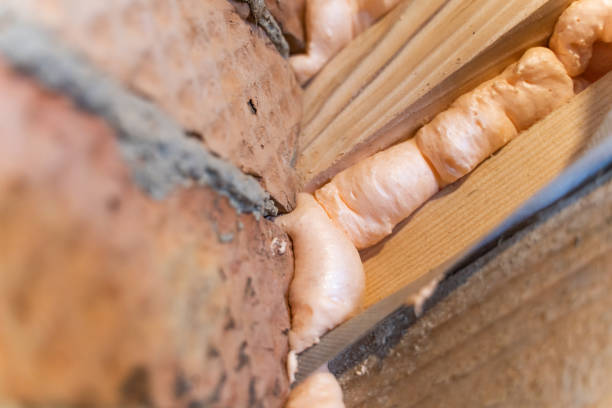
It’s comfy. Soft, dry, warm, hidden. Squirrels pull it into a pile and turn it into a nest, mice and rats shred it and tunnel through so they can travel inside the wall unseen. Nobody’s eating it, which surprises folks.
And once they’ve used it as a toilet, the smell lingers and tells the next animal this spot works. That’s why a dirty attic keeps drawing visitors long after you dealt with the first ones.
Which Types Hold Up Better?
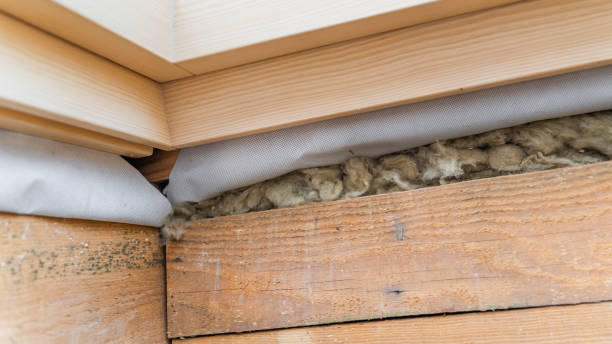
Mineral wool is probably the best of the bunch. Dense, scratchy, doesn’t burn, and animals don’t enjoy digging in it. Closed-cell spray foam is hard enough that tunneling is a pain, though a determined rat or squirrel can still chew it, it just takes effort. Rigid foam board sits in the middle and depends on the install.
Fiberglass batts get wrecked the most, that’s what I see torn up in attics. Open-cell spray foam is soft, and I’ve pulled out chunks with tunnels through them like a subway map. Cellulose has borate, which helps with insects, not so much with a hungry mouse. Recycled denim is basically a pillow.
So What Really Keeps Animals Out?
The roof and walls, not the stuff inside them. Boring answer, right one.
A mouse gets through a gap about the size of a dime, a rat about a quarter, and a squirrel through a hole the size of a golf ball, sometimes smaller. Walk the outside slowly. Pipes, dryer vents, cable lines, the corner where the garage door meets the slab, foundation cracks, weep holes in brick, the roofline, soffits, the spot where the chimney meets the siding. Steel wool packed tight with caulk handles small gaps, and hardware cloth or heavy metal flashing covers bigger ones. Foam alone won’t hold, animals chew it like a snack. Seal first, insulate after. Backwards is how people end up building a fresh nest inside a house that’s still wide open.
How Can You Tell Something’s Already Living in It?
Sound first. Squirrels are loud in the daytime, scratching and running around sunrise and again late afternoon. Rats and mice are night shift, rats heavier, mice lighter and faster. Then droppings. Squirrel ones are smooth and dark like fat rice grains, rat ones about half an inch and pointed, mouse ones smaller.
If it’s safe to look, check the insulation for flattened patches, tunnels, shredded bits, dark urine stains, maybe a nest of leaves and twigs. Grease marks along beams too. And look outside, chewed wood at the soffit corners, twigs poking out of a vent. Don’t pile new insulation on top of any of it. The mess underneath stays right there.
What Happens to Insulation Once Animals Have Ruined It?
It comes out, everywhere they’ve been. Urine and droppings carry bacteria and parasites, and the smell invites the next round. Wear a real respirator, not a paper dust mask, plus gloves and long sleeves. Don’t dry sweep and don’t run a regular vacuum over droppings, it throws dust into the air you’re breathing. Spray disinfectant first, then bag everything carefully.
Then clean, sanitize, close every entry point, and only after that put new material in. It’s a nasty job and plenty of people hire it out. I would too. Miss one spot and you’re redoing the whole thing in a few months, which is the worst.
Why Doesn’t a Quick DIY Trap Fix the Squirrel Part?
Because trapping the one squirrel you can see isn’t the same as solving it. Say you catch her and she was a mother. The babies are still in the insulation, crying for a day or two, then quiet, then the smell shows up. Awful way to find out, and in many places it’s against wildlife rules too.
Mothballs don’t scare squirrels, they just make the attic reek. Ultrasonic gadgets stop working after about a week. Plug a hole with one still inside and it chews a new exit somewhere worse. The common slip is patching the one hole you found, when there’s almost always a second or third. Real removal means an inspection of the whole roof, one-way exclusion doors outside nesting season, careful handling of babies when there are any, heavy metal sealing, and cleanup after.
Final Thoughts: Don’t Trust the Label Alone
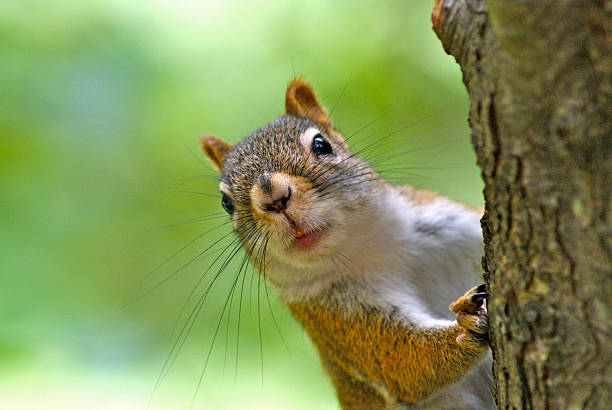
No insulation is truly proof. Mineral wool and closed-cell foam give you a small edge, and a tight house gives you a big one. Seal the gaps, store food in sealed containers, cut tree limbs back about eight feet from the roof, put metal screening on vents, and fix rotted wood early. Dull stuff, but it works.
If you’re hearing scratching and aren’t sure what’s up there, don’t buy a single roll of anything yet. Plenty of people end up typing squirrel removal near me and calling whoever answers first, which isn’t always smart, so ask about humane methods, sealing work, and a warranty before anyone climbs on your roof. Elite Wildlife Services handles the inspection, humane removal, sealing and cleanup, so whatever insulation goes in afterward actually stays clean.
Frequently Asked Questions
Are there any insulation pests that won't get through?
Not completely. Mineral wool and closed-cell spray foam resist chewing and tunneling better than fiberglass or cellulose, but a determined animal can still get through. Sealing entry points matters more than the material.
Does borate-treated insulation keep mice and squirrels away?
Mostly it helps against insects. Rodents and squirrels may be bothered a little, but a hungry or cold animal will still nest in it.
Can I put new insulation over damaged insulation?
No. Remove the contaminated material first, then clean and sanitize. Otherwise the smell and droppings stay and keep attracting animals.
How small a hole can a squirrel or mouse use?
A squirrel can use a hole about the size of a golf ball, sometimes smaller, and a mouse needs only about a dime’s width. Every small gap needs sealing.
Is it safe to clean droppings out of insulation myself?
It can be risky. Wear a respirator, gloves and protective clothing, and skip dry sweeping or regular vacuuming. For a large area, a professional is the safer choice.