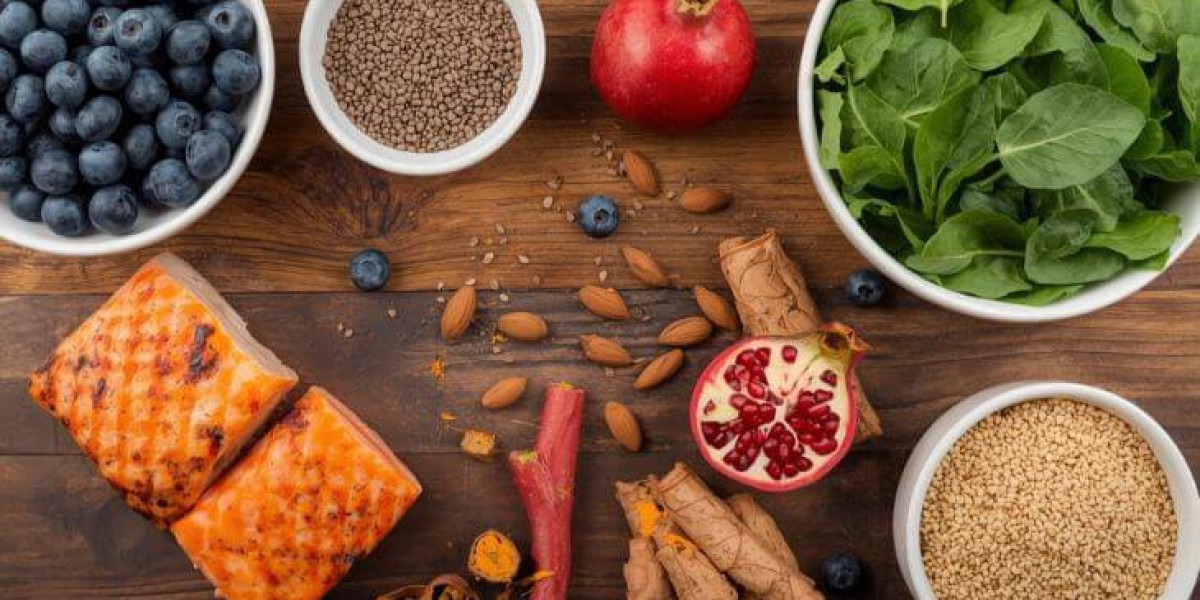

Managing weight naturally does not mean following strict diets, skipping meals, or giving up your favourite foods. A healthier approach starts with choosing nutritious ingredients that keep you satisfied, support digestion, and provide essential vitamins and minerals. Adding superfoods to your daily meals can make this process easier while helping you build sustainable eating habits.
Superfoods are nutrient-rich foods that contain beneficial compounds such as fibre, protein, healthy fats, vitamins, minerals, and antioxidants. Although no single food can directly burn body fat or guarantee weight loss, certain foods can support natural weight management when combined with regular physical activity, adequate sleep, and balanced nutrition.
In this guide, we explore some of the best superfoods for natural weight management and how you can include them in your everyday diet.
1. Chia Seeds: A Fibre-Rich Superfood
Chia seeds are among the most popular superfoods for people looking to manage their weight naturally. These tiny seeds are rich in dietary fibre, plant-based omega-3 fatty acids, protein, and essential minerals.
When mixed with water or milk, chia seeds absorb liquid and develop a gel-like texture. Their fibre content can help you feel fuller for longer, potentially reducing unnecessary snacking between meals.
How to use chia seeds:
Add one tablespoon to smoothies.
Prepare overnight chia pudding.
Sprinkle them over yoghurt or oatmeal.
Mix them into homemade breakfast bowls.
Chia seeds are easy to incorporate into your routine and provide valuable nutrients without requiring complicated recipes.
2. Green Tea: A Natural Antioxidant Drink
Green tea is widely recognised for its antioxidant content, particularly catechins such as EGCG. It also contains a moderate amount of caffeine, depending on how it is prepared.
Research suggests that green tea may have a modest effect on energy expenditure and fat oxidation. However, its impact on overall weight management is generally small, and it should not be considered a replacement for healthy eating habits.
How to use green tea:
Enjoy a cup in the morning.
Drink it between meals.
Choose unsweetened green tea instead of sugary beverages.
Avoid adding excessive sugar or sweeteners if your goal is to reduce unnecessary calories.
3. Almonds: Healthy Fats and Plant-Based Protein
Almonds are a convenient snack packed with healthy monounsaturated fats, fibre, protein, vitamin E, and magnesium.
Their combination of protein, fibre, and healthy fats can help promote fullness. Almonds are also a satisfying alternative to highly processed snacks such as biscuits and crisps.
Although almonds are nutritious, they are calorie-dense, so portion control matters.
How to include almonds:
Eat a small handful as a snack.
Add chopped almonds to oatmeal.
Blend them into smoothies.
Sprinkle them over salads.
Choosing unsalted and unsweetened almonds is a practical way to enjoy their nutritional benefits.
4. Oats: A Filling Breakfast Choice
Oats are an excellent source of soluble fibre, especially beta-glucan. This type of fibre absorbs water and forms a gel-like substance during digestion.
Oats can help support digestive health, promote fullness, and contribute to healthy cholesterol levels. Their slow-digesting carbohydrates also make them a useful breakfast option.
Healthy ways to enjoy oats:
Prepare oatmeal with milk or water.
Add chia seeds and fresh fruit.
Make overnight oats.
Use oats in homemade energy bites.
For a balanced breakfast, combine oats with a protein source such as yoghurt, milk, or nuts.
5. Apple Cider Vinegar: A Popular Wellness Ingredient
Apple cider vinegar is commonly included in natural wellness routines. It contains acetic acid, which has been studied for its possible effects on blood sugar responses and appetite.
However, evidence supporting significant weight-loss benefits remains limited. Apple cider vinegar is not a fat-burning solution, and drinking large quantities can cause digestive discomfort and damage tooth enamel.
How to use apple cider vinegar:
Add a small amount to salad dressings.
Mix it into marinades.
Use it as an ingredient in homemade sauces.
Never drink it undiluted. If you choose to consume it, dilute it properly and avoid it if it aggravates reflux or stomach discomfort.
6. Pumpkin Seeds: A Nutrient-Dense Snack
Pumpkin seeds are packed with plant-based protein, fibre, healthy fats, magnesium, zinc, and iron.
Their nutritional combination makes them a useful addition to a balanced diet. Protein and fat can help improve meal satisfaction, while their minerals support several important body functions.
How to use pumpkin seeds:
Sprinkle them over salads.
Add them to oatmeal.
Mix them into homemade trail mix.
Enjoy a small portion as an afternoon snack.
Choose plain or lightly roasted pumpkin seeds rather than heavily salted varieties.
7. Avocados: Rich in Healthy Fats
Avocados contain monounsaturated fats, fibre, potassium, and several important vitamins. Their creamy texture and satisfying nutritional profile make them a useful ingredient in balanced meals.
Healthy fats help make meals more satisfying and can support the absorption of fat-soluble vitamins.
Although avocados contain beneficial nutrients, they are also energy-dense. Enjoying moderate portions is important when managing overall calorie intake.
How to enjoy avocados:
Spread avocado on wholegrain toast.
Add slices to salads.
Blend into smoothies.
Prepare homemade avocado dips.
8. Greek Yoghurt: A Protein-Rich Food
Plain Greek yoghurt is an excellent source of protein and calcium. Depending on the variety, it can contain considerably more protein than regular yoghurt.
Protein supports muscle maintenance and can help you feel satisfied after eating. Including protein-rich foods in meals may also help reduce hunger between meals.
Ways to include Greek yoghurt:
Enjoy it with fresh berries.
Mix in chia seeds.
Use it as a healthier base for dips.
Add it to breakfast bowls.
Choose plain, unsweetened yoghurt to avoid unnecessary added sugars.
9. Berries: Naturally Sweet and Fibre-Rich
Strawberries, blueberries, raspberries, and blackberries are nutritious fruits that contain fibre, vitamins, and antioxidants.
Their natural sweetness makes them a useful alternative to sugary desserts. Their fibre content also contributes to digestive health and helps make meals more satisfying.
How to enjoy berries:
Add them to smoothies.
Mix them with plain yoghurt.
Use them as oatmeal toppings.
Enjoy them as a fresh snack.
Fresh or frozen berries can both be nutritious options.
10. Lentils and Beans: Affordable Plant-Based Nutrition
Lentils, chickpeas, kidney beans, and black beans are excellent sources of plant-based protein and dietary fibre.
They are particularly useful for natural weight management because they provide a combination of nutrients that can help keep you satisfied. They also support digestive health and provide important minerals such as iron, magnesium, and potassium.
For people in Pakistan, lentils and beans are affordable ingredients that fit naturally into traditional meals.
Healthy ways to include them:
Prepare homemade daal.
Add chickpeas to salads.
Make vegetable and bean soups.
Prepare chickpea chaat with yoghurt and fresh vegetables.
Try to limit excessive oil and heavy sauces when preparing these dishes.
How to Combine Superfoods for Better Results
Eating individual superfoods is helpful, but combining them into balanced meals can make your daily routine more effective.
Here is a simple example of a nutritious daily meal plan:
| Meal | Suggested Foods |
|---|---|
| Breakfast | Oatmeal with chia seeds and almonds |
| Mid-morning snack | Green tea and a small portion of berries |
| Lunch | Daal, wholegrain roti, and fresh salad |
| Evening snack | Plain Greek yoghurt with pumpkin seeds |
| Dinner | Grilled chicken or chickpeas with vegetables |
Remember that portion sizes and individual nutritional needs vary. Adjust your meals according to your activity level, preferences, and health requirements.
Important Lifestyle Habits for Natural Weight Management
Superfoods work best when they are part of a consistent and balanced lifestyle. Consider these practical habits:
1. Eat balanced meals: Include protein, fibre-rich carbohydrates, healthy fats, and vegetables.
2. Stay hydrated: Drink enough water throughout the day and choose water over sugary drinks.
3. Stay physically active: Walking, cycling, swimming, and strength training can support overall health and weight management.
4. Prioritise sleep: Aim for around seven to nine hours of sleep each night, as poor sleep can affect hunger and appetite regulation.
5. Practise portion awareness: Even nutritious foods can contribute to excess calorie intake when consumed in large quantities.
6. Be consistent: Sustainable lifestyle changes are generally more effective than short-term restrictive diets.
Final Thoughts
Superfoods for natural weight management can be valuable additions to a healthy daily diet. Chia seeds, green tea, almonds, oats, pumpkin seeds, avocados, Greek yoghurt, berries, lentils, and beans all provide nutrients that support overall wellness and help create satisfying meals.
However, no superfood works like a magic weight-loss solution. Successful weight management depends on balanced nutrition, appropriate portions, regular physical activity, hydration, and healthy daily habits.
Start by adding one or two nutrient-rich foods to your meals and gradually build a routine that suits your lifestyle. Small, consistent changes can make a meaningful difference to your long-term health.






