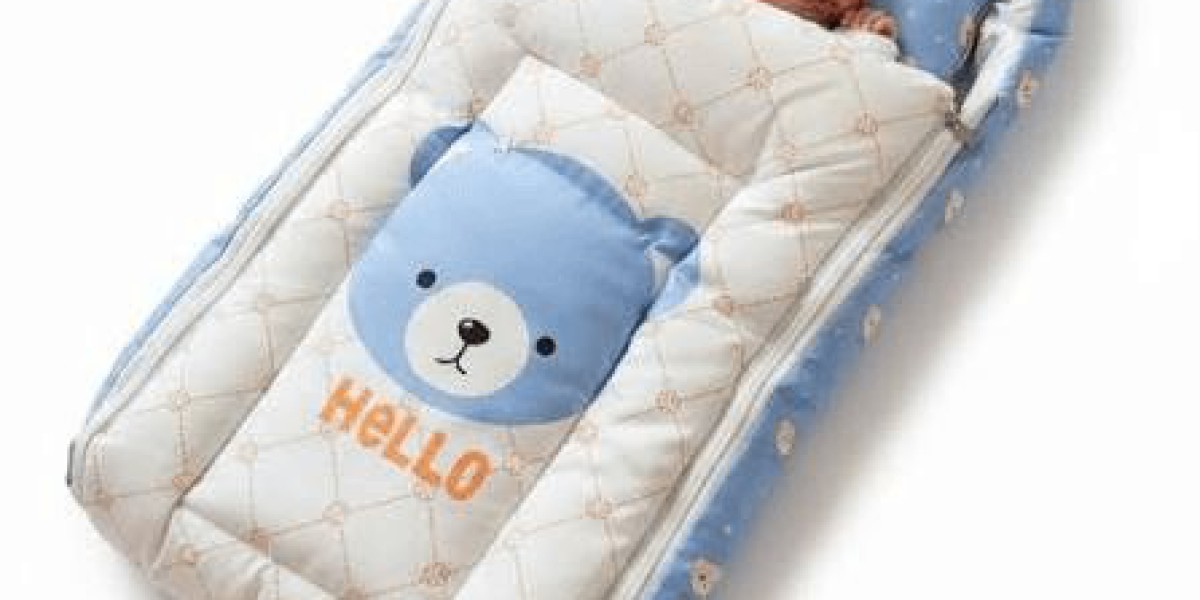

A baby carry bed can make it easier to keep newborn essentials organised when visiting family or going on short outings. However, portability does not automatically mean that a product is safe for carrying a baby, use inside a moving vehicle or sleep.
1. Understand What a Baby Carry Bed Is Designed For
A baby carry bed is generally a padded, portable resting space designed for newborns. Depending on the model, it may include a fabric exterior, cushioned base, raised sides or a lightweight filling.
Some products are designed for use at home, while others are marketed for portability. These features do not necessarily make them suitable for every travel situation.
Before purchasing one, check:
The manufacturer's intended-use instructions.
The recommended age and weight limits.
The dimensions and materials.
Whether the product has carrying handles and what they are designed to support.
Any restrictions on carrying, placing or using the product.
Never assume that a padded baby bed can be lifted with the baby inside. Only do so if the manufacturer explicitly permits it and provides instructions for that specific purpose.
2. Do Not Use a Carry Bed as a Car Seat
This is one of the most important travel precautions.
A baby carry bed is not a substitute for a properly selected and installed infant car seat. During car journeys, newborns need an appropriate child restraint that is designed to protect them in the event of sudden braking or a collision.
Keep these points in mind:
Use a suitable rear-facing infant car seat for every car journey.
Follow the car seat manufacturer's installation instructions.
Secure the baby with the supplied harness as directed.
Never place a carry bed on a car seat as an alternative restraint.
Do not hold the baby in your arms instead of using an appropriate car restraint.
A padded carry bed may provide a convenient place to organise or rest baby essentials outside the vehicle, but it does not offer the crash protection of a car seat.
3. Check the Base and Side Construction
If you are choosing a portable baby bed, examine its construction carefully.
Look for clear product information about the base, filling, fabric and sides. Check whether the base is firm or cushioned and whether the sides could allow the baby's face to become pressed against them.
A soft, padded or nest-style design should not automatically be considered suitable for infant sleep. For routine naps and nighttime sleep, use a firm, flat, level and separate sleep surface designed and approved for infant sleep.
Also inspect the product for loose stitching, damaged fabric, detached decorations and other defects before use.
4. Be Careful When Carrying the Product
The word "carry" can create confusion about how a product should be transported.
Some portable baby beds are lightweight and easy to move when empty. That does not mean they are designed to transport a baby while being lifted.
Before moving the product:
Remove the baby unless the manufacturer specifically permits carrying it while occupied.
Use only the handles or carrying points provided for the stated purpose.
Never lift the product by loose fabric, decorative parts or an improvised strap.
Keep it away from stairs, uneven surfaces and crowded walkways.
Never leave the baby unattended on an elevated surface.
When travelling, a separate, properly secured car seat remains essential for vehicle journeys.
5. Keep the Baby Comfortable During Outings
Newborns need regular feeding, changing and opportunities to rest. Plan your journey around these needs rather than expecting a portable bed to serve every purpose.
Carry essentials such as:
Extra nappies and wipes.
Spare baby clothing.
Feeding supplies appropriate for your baby.
A clean muslin cloth.
A changing mat.
A suitable blanket for use when appropriate.
Avoid excessive clothing or covering the baby's head. Check regularly for signs of overheating and make sure the baby's face remains uncovered.
6. Understand Safe Sleep Requirements
A portable baby bed is not automatically a safe sleep product. This distinction is particularly important when travelling, because parents may be tempted to let their newborn sleep in a familiar padded nest wherever they go.
The American Academy of Pediatrics recommends placing babies on their backs on a firm, flat, non-inclined sleep surface. Products such as baby nests and pods should only be considered for infant sleep if they meet the applicable safety requirements for infant sleep products. <Cite refs={["turn576708search1","turn576708search6"]}/>
For safe sleep:
Use a suitable crib, bassinet or portable sleep product that meets applicable safety standards.
Place the baby on their back.
Use only a fitted sheet designed for the sleep surface.
Keep pillows, toys and loose blankets out of the sleep area.
Avoid soft or raised surfaces that could obstruct the baby's face.
If your baby falls asleep in a car seat during travel, follow the car seat instructions and move them to an appropriate flat sleep surface when you reach your destination and it is safe to do so. A car seat should not become the baby's routine sleep space outside the vehicle. <Cite refs={["turn576708search0","turn576708search3"]}/>
7. Inspect and Clean the Carry Bed Regularly
A portable baby bed can come into contact with clothing, spills, dust and other everyday mess. Regular cleaning helps maintain the fabric and keep the product fresh.
Follow the manufacturer's washing instructions. Check whether the cover is removable, whether machine washing is permitted and how the filling should be maintained.
Before every use, look for:
Loose seams or torn fabric.
Damaged handles or attachments.
Flattened or uneven filling.
Moisture or mould.
Detached buttons or decorative components.
Stop using the product if you find damage that could affect its intended use.
8. Choose a Product That Matches Your Travel Needs
Think about how often you travel, where you plan to use the product and how much space you have available. A lightweight design may be easier to store, while washable materials can make everyday maintenance more manageable.
Kiids Kingdom lists its Baby Carry Bed | Green Leaves with a cotton cover, polyfiber filling and approximate dimensions of 80 × 42 cm. Parents can review these details and the manufacturer's instructions before deciding whether it suits their requirements.
Explore Carry Bed options on the Kiids Kingdom homepage and view the Baby Carry bed product page for its listed features.
Remember that product features and portability should not be confused with approval for vehicle transport or infant sleep.