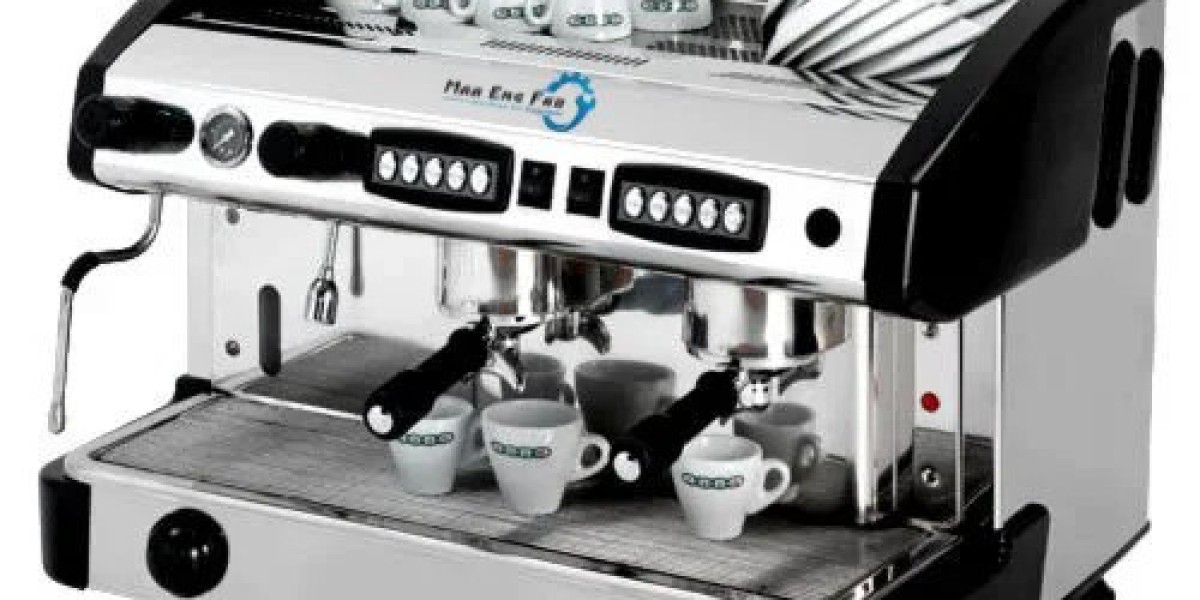

A commercial kitchen depends on several supporting systems, including electricity, gas, water, drainage, ventilation, and sometimes specialized connections. If the selected equipment does not match the available infrastructure, even a high-quality machine can become difficult or inefficient to operate.
This is why utility planning should happen before equipment is finalized—not after the equipment reaches the kitchen.
1. Why Utilities Matter in Equipment Selection
Every piece of commercial kitchen equipment has operating requirements.
Depending on the equipment, these may include:
- Electrical power
- Gas supply
- Water connection
- Drainage
- Exhaust or ventilation
- Refrigeration requirements
- Space for service access
These requirements affect where equipment can be installed and whether it can operate effectively.
For example, selecting an electrically powered machine without checking the available electrical capacity can create installation problems later.
2. Electrical Requirements
Many modern kitchens depend heavily on electrical equipment, including refrigeration systems, mixers, preparation machines, ovens, dishwashers, and other appliances.
Before selecting equipment, buyers should understand:
- Voltage requirements
- Phase requirements
- Connected load
- Dedicated circuits where applicable
- Electrical panel capacity
- Location of electrical points
The equipment specification should always be reviewed against the electrical infrastructure planned for the kitchen.
A machine may physically fit into a space but still be unsuitable if the required electrical connection is not available.
3. Gas Supply and Cooking Equipment
Gas-powered cooking equipment introduces another set of planning requirements.
Commercial ranges, burners, fryers, ovens, and other cooking systems may depend on a suitable gas supply and properly planned connections.
The gas infrastructure should be evaluated according to the expected equipment load and local installation requirements.
It is also important to coordinate gas connections with equipment positioning, ventilation, access, and safety considerations.
4. Water Requirements
Water is essential for many commercial kitchen processes.
Equipment such as dishwashers, steam-related systems, sinks, cooking equipment, and certain preparation machines may require water connections.
However, simply having a water point is not enough.
The kitchen should consider:
- Water inlet location
- Required flow
- Drainage
- Hot and cold water requirements
- Accessibility for maintenance
- Cleaning requirements
Poorly planned water connections can make equipment installation and daily operation unnecessarily difficult.
5. Drainage Is Often Overlooked
Drainage is one of those requirements that may receive less attention during purchasing but becomes very important during installation.
Water-consuming equipment needs an appropriate drainage arrangement.
If drainage points are located incorrectly, the kitchen may require additional plumbing work or modifications to the equipment layout.
Therefore, drainage planning should be coordinated with the equipment layout from the beginning.
6. Ventilation and Exhaust Requirements
Cooking equipment can generate heat, smoke, grease vapors, steam, and odors.
This makes ventilation an important part of commercial kitchen planning.
Equipment selection should therefore be considered together with the exhaust and ventilation arrangement.
Installing powerful cooking equipment without considering the supporting ventilation system can create an uncomfortable working environment and operational challenges.
The equipment layout should allow appropriate access to ventilation systems for inspection and cleaning as required.
7. Utility Requirements Influence Equipment Location
Utility connections can limit where equipment can realistically be placed.
A kitchen layout should therefore consider the relationship between:
Equipment + Utility Point + Workflow + Maintenance Access
For example, moving a water-dependent machine away from the planned plumbing point may require additional installation work.
Similarly, relocating gas-powered cooking equipment can affect the gas connection and exhaust arrangement.
This is why equipment layout should be finalized together with utility planning.
8. Utilities Can Affect Equipment Choice
Sometimes the available infrastructure influences which type of equipment makes the most practical sense.
For example, if a kitchen has limited electrical capacity, the buyer may need to review alternative equipment configurations or redistribute the load.
Similarly, the available gas infrastructure may influence cooking equipment selection.
The objective is not to select equipment first and force the building infrastructure to accommodate it.
A better approach is to evaluate both together.
9. Restaurant Equipment in India: Plan for the Actual Site
When selecting Restaurant Equipment in India, businesses should evaluate the actual site conditions before finalizing equipment.
Different commercial kitchens may have different infrastructure limitations.
Factors such as building services, electrical capacity, gas availability, water supply, drainage, ventilation, floor area, and access routes can influence equipment selection.
This is particularly important for new kitchens where equipment installation is being planned alongside construction or renovation.
10. Utility Load and Peak Operations
Another important consideration is the kitchen's operating schedule.
A restaurant may use several pieces of equipment simultaneously during peak hours.
Therefore, utility planning should consider not just individual equipment requirements but also the combined operating load.
For example, several electrically powered machines running at the same time may create a significantly different demand than each machine being considered separately.
This is why equipment schedules should be reviewed as a complete system.
11. Don't Forget Maintenance Access
Utility connections should not make future maintenance difficult.
Equipment may eventually require inspection, servicing, cleaning, or replacement of components.
When planning utility points, leave practical access for technicians and operators.
A connection that works during installation but becomes inaccessible after equipment is positioned can create unnecessary maintenance difficulties.
12. Discuss Utilities With Restaurant Equipment Suppliers
When working with Restaurant Equipment Suppliers, buyers should request complete utility information before confirming an order.
Useful information includes:
- Electrical requirements
- Gas requirements
- Water inlet requirements
- Drainage requirements
- Exhaust requirements
- Installation clearances
- Service access requirements
This information can then be shared with the kitchen designer, contractor, electrician, plumber, and other relevant professionals.
Good coordination reduces the risk of discovering infrastructure problems after equipment delivery.
13. Manufacturer Specifications Matter
A Restaurant Equipment Manufacturer should provide accurate technical information for the equipment being supplied.
Buyers should avoid making assumptions about utility requirements based only on equipment appearance or general product category.
Two machines designed for similar applications can have different technical requirements.
Always work from the actual equipment specification before finalizing infrastructure.
14. New Kitchen vs Existing Kitchen
Utility planning can be very different depending on whether the restaurant is building a new kitchen or modifying an existing one.
New Kitchen
A new project usually provides greater flexibility because utility points can be planned around the equipment layout.
Existing Kitchen
An existing kitchen may have fixed electrical panels, gas lines, plumbing, drainage, or ventilation systems.
In this situation, equipment selection may need to adapt to existing infrastructure—or the infrastructure may need to be upgraded.
Understanding this difference early can prevent unnecessary redesign.
A Practical Utility Checklist
Before purchasing restaurant equipment, review:
☑ Electrical load and connection type
☑ Gas availability and requirements
☑ Water inlet requirements
☑ Drainage position
☑ Exhaust and ventilation needs
☑ Equipment clearances
☑ Service access
☑ Simultaneous equipment load
☑ Utility point locations
☑ Future expansion requirements
This checklist can help identify installation challenges before they become expensive changes.
Final Thoughts
Utility planning is not a separate technical task that should happen after equipment selection.
It is part of the equipment selection process itself.
The best Restaurant Equipment is not simply equipment with the right capacity or features. It must also work with the kitchen's electrical, gas, water, drainage, ventilation, space, and maintenance requirements.
By reviewing utilities before purchasing, restaurant owners can reduce installation complications, improve workflow planning, and avoid costly infrastructure changes later.
In commercial kitchen planning, equipment and utilities should be designed to work together—not independently.
Frequently Asked Questions
1. Why should utility requirements be checked before buying restaurant equipment?
Because equipment may require specific electrical, gas, water, drainage, or ventilation connections that may not be available at the intended installation location.
2. What utilities are commonly required in a commercial kitchen?
Depending on the equipment, common requirements include electricity, gas, water, drainage, and ventilation or exhaust systems.
3. Can utility limitations affect restaurant equipment selection?
Yes. Available infrastructure can influence equipment type, capacity, positioning, and the need for upgrades.
4. Who should review equipment utility requirements?
The equipment supplier or manufacturer should provide technical requirements, while qualified electrical, plumbing, gas, and ventilation professionals should assess the site's infrastructure and installation.
5. Should utility planning be considered for future expansion?
Yes. If the restaurant expects additional equipment or increased production, future utility requirements should be considered during the initial kitchen planning stage.