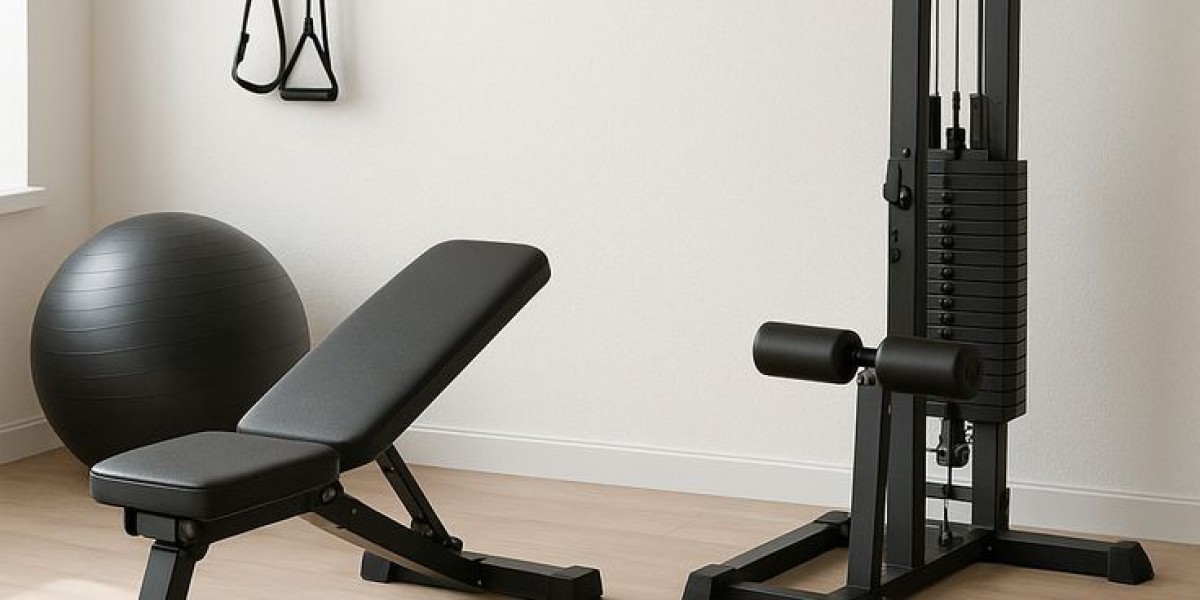

Walking into a gym with so many machines and accessories around can feel a little confusing. Which equipment should you actually use? It depends on what you want from your workout. Some people want to build strength, others want better stamina, while many simply want to stay active and flexible. The right Gym Equipment can make these workouts easier to plan and more effective. You don't need to use every machine in the gym either. A few well-chosen pieces, used properly and regularly, can cover a lot.
1. Power Rack
A power rack is one of the most useful pieces of equipment for strength training.
It gives you a safe and stable setup for exercises such as squats, overhead presses, and other barbell movements. The adjustable supports also make it easier to set the bar at a comfortable height before starting an exercise.
For someone who wants to build a proper strength routine, a power rack is a good place to start. It also leaves room for progression as your training improves.
2. Adjustable Dumbbells
Dumbbells are simple, but don't underestimate them.
With adjustable dumbbells, you can perform exercises for almost every major muscle group without needing several separate pairs. You can use them for presses, rows, curls, lunges, shoulder exercises, and plenty of other movements.
Another advantage is freedom of movement. Unlike some machines, dumbbells don't lock you into one particular path. That makes them useful for people who want more variety in their workouts.
3. Treadmill
If stamina is one of your goals, a treadmill deserves a place in the gym.
Walking, jogging, and running on a treadmill give you an easy way to work on cardiovascular endurance. You can change the speed and incline depending on the type of workout you want to do.
Some days, a steady walk is enough. On another day, you may want a faster session with changes in pace. Having that flexibility makes a treadmill useful for different fitness levels.
4. Exercise Bike
An exercise bike is another practical option for improving stamina.
It provides a controlled cardio workout while also working the lower body. You can use it for a longer steady session or try shorter periods with changes in resistance.
For people who don't enjoy running, cycling gives them another way to get their heart rate up without spending the whole workout on a treadmill.
5. Rowing Machine
The rowing machine is interesting because it combines cardio and full-body movement.
A proper rowing stroke involves the legs, core, back, and arms. It also requires coordination, so you aren't simply moving one part of the body again and again.
Start slowly and pay attention to your technique. Rushing through the movement doesn't make the workout better. In fact, good form matters more here than simply trying to row as fast as possible.
6. Cable Machine
A cable machine brings a lot of variety into one station.
You can perform movements for the chest, back, shoulders, arms, and legs by changing the attachment and adjusting the cable position. It is also useful for controlled movements where you want to focus on a particular muscle group.
This is one of those machines that becomes more useful as you learn different exercises. At first, it may look confusing. After a few sessions, you start finding more ways to use it.
7. Resistance Bands
Not every useful workout tool needs to be a large machine.
Resistance bands are lightweight, easy to store, and useful for strength and mobility exercises. You can use them for warm-ups, resistance exercises, stretching routines, and activation work.
They also come in different resistance levels, so you can select one according to the exercise and your current ability.
8. Yoga Mat
Flexibility training often gets ignored when people focus heavily on strength and cardio.
A good yoga mat gives you a comfortable surface for stretching, mobility drills, yoga, and floor-based exercises. You can use it before a workout to prepare your body or after training when you want to slow things down.
Even 10 to 15 minutes of regular stretching can become a useful part of a balanced fitness routine.
9. Kettlebells
Kettlebells add a different feel to strength and conditioning workouts.
Exercises such as kettlebell swings, goblet squats, presses, and carries involve several muscle groups at once. They also demand control and coordination.
The key is to learn the movement properly before increasing the weight. Kettlebell exercises look simple from a distance, but technique makes a big difference.
10. Foam Roller
A foam roller isn't really a strength or cardio machine, but it still has a place in a well-planned gym.
People use foam rollers as part of mobility and recovery routines. They can be useful after training when the muscles feel tight and you want to spend some time working on mobility.
It’s a small addition, but sometimes those small things are what help you stay consistent with training.
Choosing Equipment That Fits Your Workout
You don't need every piece of gym equipment to become fitter. The better approach is to choose equipment according to what you actually want to improve.
For strength, focus on equipment such as power racks, dumbbells, cable machines, and kettlebells. For stamina, treadmills, exercise bikes, and rowing machines are useful choices. And for flexibility and mobility, keep space for a yoga mat, resistance bands, and mobility work.
A balanced gym setup doesn't need to feel complicated. The equipment should make training easier to follow, not turn every workout into a guessing game. Once you have a few dependable pieces and know how to use them properly, building a consistent routine becomes much simpler.






