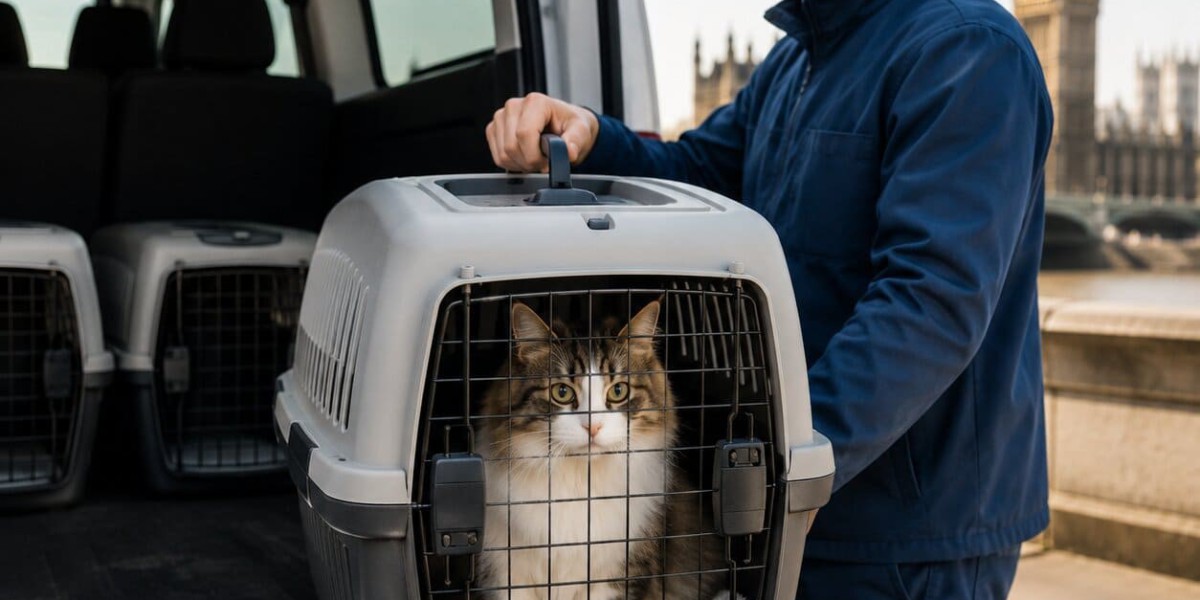

Moving a cat from one place to another can be more complicated than putting a carrier in the car and setting off. Cats often prefer familiar surroundings, and changes in location, noise, smells, and routine can make travelling stressful. A suitable cat transport service can make the journey more organised while giving your pet a secure and comfortable travel environment.
Whether the journey is across the UK, between cities, or from the UK to Europe, good preparation matters. The right carrier, careful handling, suitable transport conditions, and planned stops can help your cat travel safely from collection to destination.
Why Does Your Cat Need a Professional Transport Service?
Cats can become anxious when travelling because they don't always understand what's happening around them. A professional service can provide a controlled travel environment and reduce the need for owners to manage every part of a long journey themselves.
This can be particularly useful when the destination is several hours away. Driving long distances requires route planning, suitable rest arrangements, and careful attention to the cat's comfort.
A dedicated service can also be useful when owners cannot make the journey themselves. Instead of asking friends or family to handle a difficult trip, a trained pet transport provider can take responsibility for the journey.
What Should a Cat Transport Service Provide?
A reliable service should place safety and animal welfare at the centre of the journey. The transport vehicle should provide a secure area where the cat cannot escape, interfere with driving, or come into contact with unsafe objects.
The carrier should be appropriate for the cat's size and should allow enough room to sit, stand, turn around, and lie down comfortably. It should also have adequate ventilation and be positioned securely during transport.
Good handling is just as important as the vehicle itself. Cats should be handled calmly and carefully, particularly when being collected, transferred, or released at the destination.
How Should a Cat Be Prepared for Transport?
Preparation should begin before the day of travel. If your cat isn't used to a carrier, introduce it gradually rather than placing them inside for the first time just before departure.
Leave the carrier open at home and allow your cat to investigate it naturally. A familiar blanket can make the carrier feel less unfamiliar.
For cats that have travelled before, short practice journeys can help them become more comfortable with movement and vehicle sounds.
It's also important to consider feeding. Some cats may experience travel sickness, so owners should discuss feeding arrangements with a vet when a long journey is planned, especially if the cat has previously become unwell during travel.
What Type of Carrier Does a Cat Need?
A secure and well-ventilated carrier is one of the most important items for cat transportation. The carrier should be strong enough for travel and have secure doors that cannot easily open.
The interior should provide enough space for the cat to sit and turn around without being excessively large. A familiar blanket or absorbent bedding can provide additional comfort.
The carrier should remain secure during the journey. It shouldn't slide around whenever the vehicle turns, accelerates, or brakes.
For longer journeys, the transport provider should also consider access to water, hygiene, temperature, and the cat's general comfort.
How Can a Cat Stay Comfortable During a Long Journey?
Long-distance travel requires more planning than a short local trip. Temperature and ventilation should be monitored throughout the journey. Cats can become uncomfortable in an excessively hot or cold vehicle, so the transport environment should remain suitable.
Noise should also be kept as low as reasonably possible. Loud music, sudden sounds, and unnecessary handling can increase anxiety.
Familiar bedding may help create a more reassuring environment. However, the travel area should remain clean and free from loose items that could create a hazard.
Regular checks are important during longer journeys. The cat's condition, behaviour, bedding, and general comfort should be monitored throughout the trip.
How Often Should a Cat Stop During Transport?
Unlike dogs, cats generally don't need to be taken out of their carrier for roadside walks. In fact, removing a nervous cat from its carrier in an unfamiliar location can create an escape risk.
Instead, journey planning should focus on safe monitoring, suitable ventilation, water arrangements, hygiene, and the cat's individual needs.
For particularly long journeys, the transport provider should have a clear plan for managing food, water, toileting, and cleaning while keeping the cat securely contained.
The exact arrangements can vary depending on the journey length, the cat's age, health, temperament, and travel requirements.
Does Your Cat Need Special Care When Travelling to Europe?
International cat transport requires additional preparation. If you're travelling from the UK to an EU country, you need to check the current pet travel requirements for the destination before departure.
Depending on the route and circumstances, requirements may involve identification, appropriate documentation, vaccinations, and other travel conditions.
Transport arrangements can also vary depending on whether the journey involves a ferry, tunnel crossing, or another route. Checking the latest requirements in advance helps prevent delays and avoids problems at the border.
For owners arranging professional door-to-door transportation, UK and Europe Pet Taxi provides pet transport services for journeys within the UK and between the UK and Europe.
What Should You Check Before Booking a Cat Transport Service?
Before booking, ask how the journey will be managed from collection to delivery. Find out whether the service provides door-to-door transportation, how cats are secured during travel, and how long the journey is expected to take.
You should also ask about vehicle conditions, driver experience, rest arrangements for longer journeys, and what happens if the journey is delayed.
For international transportation, confirm that the provider understands the relevant pet travel requirements and route arrangements.
Clear communication is especially important. Provide accurate information about your cat's age, temperament, feeding routine, medication, mobility, and any previous travel difficulties.
How Can You Make Cat Transportation Less Stressful?
Cats usually respond well to familiar smells and predictable routines. Keeping a familiar blanket inside the carrier can help reduce the unfamiliarity of the journey.
Avoid unnecessary handling during transportation. A quiet, secure environment is generally more suitable than repeatedly removing the cat from the carrier.
Owners should also avoid making sudden changes to food or routine immediately before travel. If your cat has a history of severe travel anxiety or sickness, speak to your vet before the journey.
What Makes a Cat Transport Service a Good Choice?
A good cat transport service should combine secure transportation, careful handling, suitable equipment, clear communication, and proper journey planning.
The service should treat the cat as an individual rather than simply another item being moved from one address to another. Every cat has different needs, and factors such as age, temperament, health, journey length, and destination can affect the way transportation should be arranged.
For local journeys, careful preparation can make the process straightforward. For long-distance or international journeys, professional transportation can provide additional convenience while helping maintain a safe and controlled travel environment.
With the right planning and a suitable transport provider, your cat can make the journey securely and arrive at the destination ready to settle into its new surroundings. Read more: Pet Taxi in uk