
Cold chain storage looks like a very technical process from outside. But when you see the actual work happening, it feels different. It is about doors opening hundreds of times, machines running silently, temperature screens being checked again and again, and teams making sure nothing moves away from the required condition.
The pressure never really stops.
Temperature-sensitive products leave almost no space for error. A small temperature change at the wrong time and the quality of the entire batch is affected. People who work around these products understand this clearly. Once the damage happens, you can’t simply reverse it.
This is why cold chain storage solutions are important. Not because it sounds advanced, but because it creates a controlled process where every small activity matters.
Why temperature control cannot be ignored
Some products handle temperature changes better. Some simply don’t.
Vaccines, selected medicines, dairy items, frozen products, specialty chemicals, and biological materials need specific conditions because they react quickly when the environment changes. In some cases, even a short exposure is enough to affect them.
Science behind this is simple. Higher temperatures increase chemical activity. Lower temperatures slow things down. But maintaining that balance inside warehouses, vehicles, loading areas, and during long-distance movement is where the real challenge starts.
Normal room temperature feels harmless to us. For many sensitive products, it’s not.
The work starts before products enter storage
Many people imagine cold chain begins when products reach a cold room. Actually, the preparation starts much before that.
Teams need answers ready.
Which temperature range is needed? How long does the product need storage? What happens during electricity failure? Who checks the system after working hours?
A proper cold storage setup plans these things early. Waiting for problems to appear later is where things start going wrong.
It is a controlled space, not only a cold room
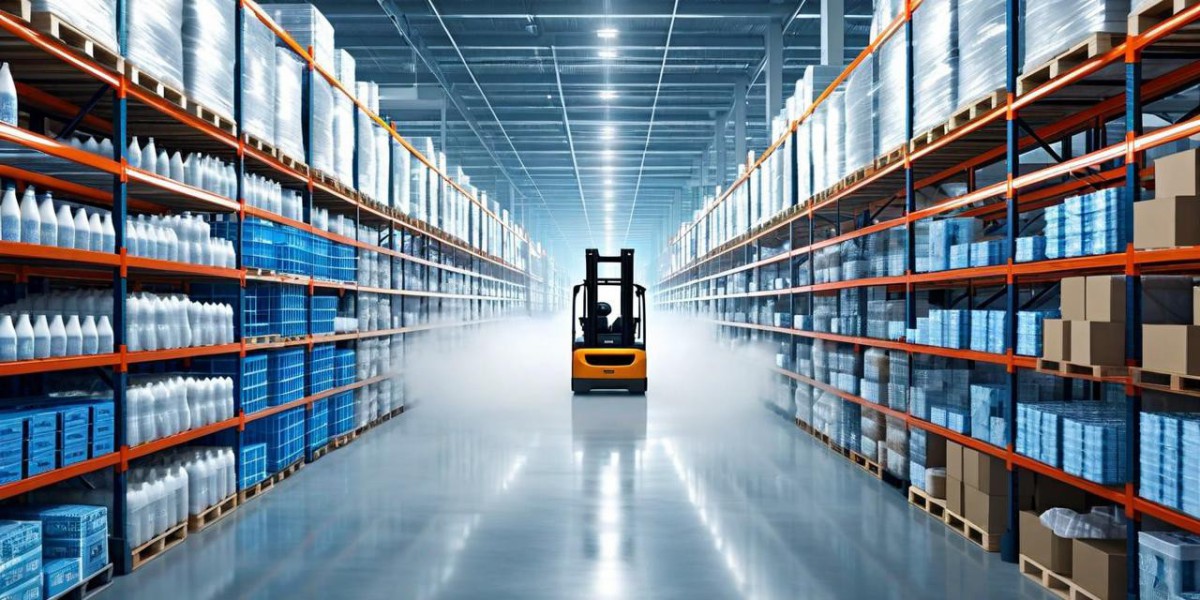
Cold chain storage is not just a big refrigerated area. There are different zones built for different requirements.
Some products need freezing conditions. Some need a temperature slightly above zero. Others need a very specific range, like 2°C to 8°C, where even small movement outside the limit creates concern.
The design of the facility matters a lot.
Insulated walls. Door sealing. Temperature controls. Storage sections. Even the time taken to open and close a door has an impact.
Small things don’t stay small here.
Monitoring happens all the time
Checking temperature once and forgetting about it doesn’t work in cold storage.
Sensors keep recording information continuously. Some systems capture readings within minutes or even seconds. When temperature starts moving away from the allowed range, alerts are created and teams take action.
It’s repetitive work. But that repetition protects everything.
Many facilities still maintain manual records too. A person checks the reading, writes it down, signs the document, and verifies the details. It takes extra time, but it creates another safety checkpoint.
Technology catches data. People catch things that feel unusual. Both are needed.
Backup systems are not optional
Anyone connected with logistics knows one thing. Power interruptions happen.
Cold chain facilities prepare for this situation through backup arrangements. Generators, power systems, maintenance checks, and fuel monitoring are all part of the process.
One electricity failure without a backup plan is enough to disturb an entire storage cycle.
That’s why backup is not an extra feature in cold storage. It is part of the basic protection system.
Handling decides a lot
A product can stay perfectly inside storage and still face risk during movement.
Loading and unloading are sensitive moments. Products come closer to outside conditions during this time, so trained teams work with speed and care. No unnecessary waiting. No wrong placement. No keeping materials outside thinking it is “just for a minute.”
That one minute counts.
Insulated containers, protective covers, and planned movement processes reduce exposure. Every movement has a reason behind it.
Transportation continues the protection
Storage is only one part of the cold chain. The journey matters too.
Refrigerated vehicles maintain the required environment while products move from one location to another. These are not simple vehicles with cooling installed. They work like moving temperature-controlled spaces with monitoring technology.
Drivers also carry responsibility. They watch temperature displays, report changes, and follow planned routes to avoid unnecessary delays.
Better planning helps. But an experienced person handling the journey makes a bigger difference.
Rules keep the process controlled
Cold chain operations need discipline. That comes through proper standards and regular checks.
Guidelines cover temperature limits, records, cleanliness, and product tracking. Audits review whether everything is being followed correctly. Any missing step gets noticed.
This system keeps everyone alert. Without proper processes, shortcuts slowly enter the work.
Many logistics teams follow national and international practices because experience has already shown what happens when structure is missing.
Tracking creates confidence
When a problem appears, questions come immediately.
Where was it stored? How much temperature exposure happened? Who handled it? When was it shifted?
Cold chain systems maintain these answers through records, sensor details, and time-based tracking. It doesn’t always look impressive from outside, but during critical situations, this information becomes extremely valuable.
Tracking itself doesn’t remove every problem. It helps teams understand what happened and improve the process next time.
People are still the biggest part of the system
Automation has improved cold chain operations. Sensors and software help every day. Still, human attention remains important.
Managers check reports. Technical teams inspect equipment. Supervisors walk through storage areas and notice small changes.
A strange machine sound. Extra frost formation. A door not closing properly.
Experienced people catch these signs before they become bigger issues. Everything is not visible on a screen immediately.
Real situations build stronger operations
Cold chain logistics never works in perfect surroundings. Weather changes. Requirements increase suddenly. Vehicles get delayed. Routes shift.
The systems that handle these situations are the ones that actually protect products.
Experienced logistics teams depend on practical processes instead of only written plans. Training happens repeatedly. Checklists are followed. Problems are reviewed so they don’t happen again.
The work is not always exciting. But it needs attention.
Protection continues at every point
Temperature safety does not finish after closing the storage door.
It moves through transportation, delivery, and the final transfer process. A single weak area affects the complete chain. Cold chain storage solutions reduce these risks through careful planning and daily control.
Not through luck.
Through systems, habits, and people who keep checking the small things even when nobody else notices.