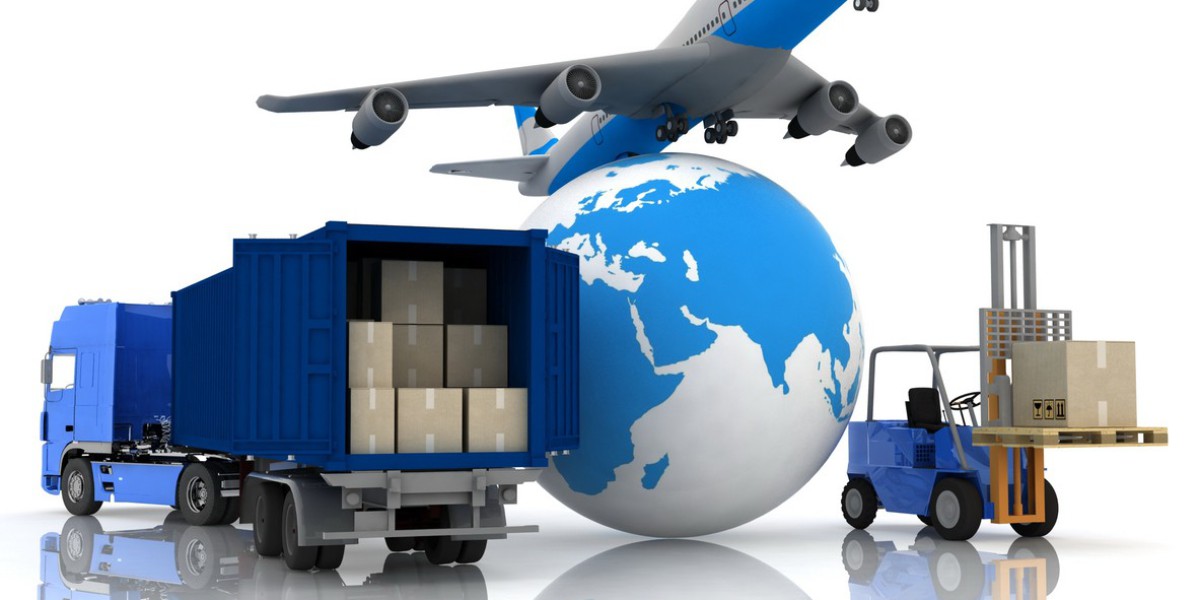

People hear “3PL” and the picture that comes first is simple. Big storage spaces. Trucks moving boxes. That picture is not wrong, but it is small. Too small. 3pl logistics lives in the spaces between plans and reality, where timing slips, paperwork slows things down, and one delay starts a chain reaction nobody wanted.
I’ve seen this up close. When supply chains stretch across cities, states, and borders, warehousing and transportation are only the visible parts. The real work happens quietly, in coordination, in systems, and in decisions taken at odd hours. That’s where 3PL actually sits.
What 3PL Really Means on the Ground
At its core, a 3PL partner steps into logistics operations that companies no longer want to manage alone. Not because they lack skill. Because focus matters.
A third-party logistics provider runs storage, movement, documentation, tracking, and daily problem-solving as one connected function. Not as separate tasks. One flow.
According to a 2023 industry survey by Armstrong and Associates, more than 90 percent of large enterprises outsource at least one logistics function to a 3PL. That number didn’t grow by accident. It grew because internal teams hit limits.
Warehousing Is Just the Starting Line
Storage facilities get all the attention. Racks, pallets, square footage. But modern 3PL warehousing looks less like a static space and more like a living system.
Inventory does not just sit. It turns. It gets segmented. It is tagged, scanned, audited, and repositioned based on demand signals that change week to week. Sometimes day to day.
Temperature control, hazardous material zoning, batch-level traceability, and compliance records are handled inside the same walls. One missed label can create weeks of trouble. People who run these spaces know that.
This is not about stacking boxes neatly. It is about maintaining continuity.
Transportation Is Not Just Movement
Trucks move things, yes. But transportation under a 3PL model is about orchestration.
Route planning reacts to weather, congestion, regulatory checks, and delivery windows that do not forgive delays. Carrier selection changes based on urgency, lane performance, and equipment availability. One shipment might travel direct. Another hops through consolidation points.
A strong 3PL does not wait for problems to show up on a screen. They feel them coming. Late pickup patterns. Repeated handover gaps. Drivers calling at odd hours with the same issue. Signals matter.
The Invisible Layer: Systems and Data
This part rarely gets talked about in sales decks, but it drives everything.
Warehouse management systems, transport management platforms, control towers, and client dashboards form the nervous system of a 3PL operation. Data flows constantly. Inbound. Outbound. Exceptions. Proof of delivery.
One misplaced decimal in a report can confuse planning for weeks. That’s why human review still matters, even with automation everywhere.
A logistics director once said, “If you don’t trust your data, you don’t trust your decisions.” That line sticks.
Compliance, Paperwork, and Regulatory Pressure
Logistics is paperwork-heavy. Anyone who has handled cross-border movement knows this pain well.
Customs documentation, regulatory filings, safety declarations, audit trails, and retention schedules sit on the shoulders of the logistics partner. Errors here do not stay small. They escalate fast.
In sectors like chemicals, pharmaceuticals, and industrial materials, compliance is not a checklist. It is a daily discipline. Training records. Incident logs. Storage conditions. Transport approvals.
3PL teams live inside this pressure. That’s part of their value.
Value-Added Services That Change the Equation
Beyond storage and transport, 3PL providers handle tasks that blur the line between logistics and operations.
Labeling. Kitting. Repackaging. Quality checks. Reverse logistics. Returns processing. These activities save internal teams from building separate workflows.
One client once shifted labeling inside the 3PL warehouse instead of doing it at the plant. The lead time dropped by days. Not because of speed. Because of proximity and coordination.
Small adjustments create big relief.
Risk Management and Business Continuity
Logistics is exposed to disruption. Strikes. Weather events. Policy shifts. Equipment shortages.
A 3PL spreads risk by design. Multiple sites. Multiple carriers. Backup routes. Contingency stock positioning.
When one node struggles, another picks up the load. Not perfectly. But better than a single-threaded operation.
This is not about removing risk. It is about absorbing shock without breaking flow.
The Human Side People Forget
Systems help. Processes guide. But logistics still runs on people.
Warehouse supervisors who know which aisle causes trouble. Transport planners who remember a border delay from two years ago. Compliance managers who spot issues before inspectors arrive.
3PL operations reward memory and intuition. Experience counts here. A lot.
This is why long-term partnerships work better than short contracts. Trust builds quietly. Over missed pickups fixed fast. Over calls answered late at night.
Why Companies Look Beyond In-House Teams
Running logistics internally feels safe at first. Full control. Familiar faces.
Then volume grows. Networks expand. Complexity creeps in. Suddenly, logistics starts pulling attention from core work.
Handing parts of that load to a 3PL is not giving up control. It is choosing where attention belongs.
The best partnerships feel less like outsourcing and more like extension.
A Thought Before Stopping
3PL logistics is not a background function anymore. It shapes delivery promises, customer experience, and operational sanity.
Warehouses and trucks are only the visible edges. The real structure lives underneath, in decisions, systems, and people working through problems before anyone else hears about them.