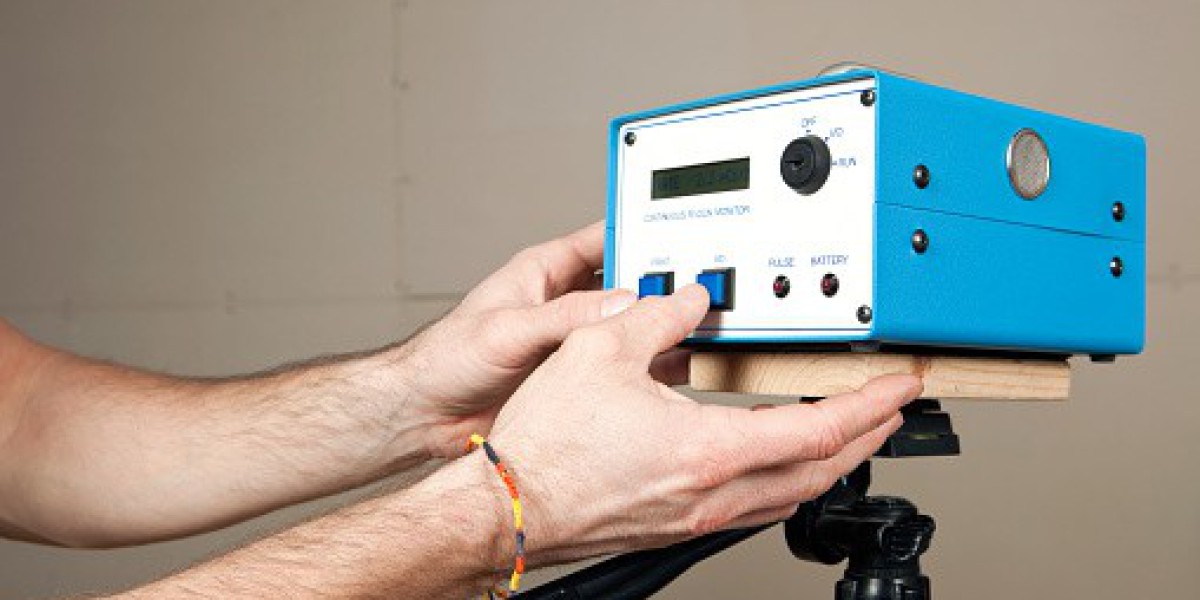

Understand the Importance of Radon Testing
Radon is an invisible and naturally occurring gas that can enter buildings from the soil. Because it cannot be detected through smell or sight, testing is the practical way to determine whether elevated levels are present inside a home.
Know When Testing Is Needed
Long term radon testing Rochester NY can provide a clearer picture of typical indoor radon levels because the testing period covers a longer period. Unlike a quick measurement, long-term testing can account for changes that occur from day to day and across different seasons.
Learn How Long-Term Tests Work
According to the EPA, long-term radon tests remain in a home for more than 90 days. Devices such as alpha-track detectors and electret ion chambers may be used. The extended testing period makes the results more representative of a home's yearly average.
Choose the Right Testing Location
Radon testing is generally performed in the lowest level of a home that people regularly occupy. The location should follow applicable testing guidance and device instructions. Proper placement helps produce useful information about the air conditions in the living area.
Consider Seasonal Changes
Radon concentrations can change because of weather, soil conditions, ventilation, and other factors. A long testing period helps reduce the effect of short-term fluctuations. This makes long-term testing useful when homeowners want a better understanding of typical radon exposure.
Understand Short-Term Testing
Short-term tests can provide results much faster and may be useful when a quick assessment is necessary. The EPA notes that short-term tests can range from two to 90 days, depending on the testing method. Long-term testing is generally more representative when time permits.
Follow Proper Testing Conditions
Testing conditions can affect the reliability of results. Instructions for the selected test should be followed carefully, including requirements concerning windows, doors, ventilation, and placement. Professional testing can also help ensure that the process is properly documented.
Review the Test Results
Once testing is complete, the results should be reviewed carefully rather than considered in isolation. Radon concentrations are commonly reported in picocuries per liter, or pCi/L. The EPA recommends taking action to reduce radon when levels are 4 pCi/L or higher.
Consider Professional Guidance
Homeowners may benefit from working with a qualified testing professional when they need reliable measurements or help understanding the testing process. Professional guidance can also be useful when testing is being performed as part of a property transaction.
Include Radon in Property Inspections
Home inspection services can help evaluate many visible and accessible components of a property, including structural elements, systems, and potential maintenance concerns. Radon testing may be performed as an additional service rather than assuming that a standard inspection automatically measures radon.
Check Lower Levels Carefully
Basements and other lower-level areas can be important locations for radon testing because the gas can enter from the surrounding soil. If a lower level becomes regularly occupied after a previous test, retesting may be appropriate.
Consider Testing Before Buying
Home buyers may want radon testing as part of their property evaluation. Testing can provide information about indoor air conditions before a purchase is finalized. A buyer may request another test when an earlier test is outdated, improperly performed, or circumstances have changed.
Retest When Conditions Change
Retesting can be useful after major renovations, changes in how lower levels are used, or other circumstances that could influence indoor conditions. Even when a previous result was below the EPA action level, homeowners may choose to test again in the future.
Understand What Testing Can Reveal
A radon test does not simply confirm whether a building has radon; it measures the concentration during a specific period. Longer testing provides more data and can reduce the influence of temporary fluctuations, helping homeowners make better-informed decisions.
Respond to Elevated Levels
If testing shows elevated radon, homeowners should consider discussing mitigation options with an appropriately qualified professional. The goal of mitigation is to reduce indoor radon levels. Testing after mitigation can help determine whether the reduction system is working effectively.
Keep Testing Records
Save test dates, locations, results, and information about the testing method. Keeping records makes it easier to compare future measurements and provide useful information during property transactions, renovations, or consultations with professionals.
Combine Inspection With Maintenance
A well-maintained property benefits from regular attention to both visible conditions and less obvious environmental concerns. Combining routine inspections with appropriate radon testing can help homeowners develop a broader understanding of the property's condition.
Make Testing Part of Home Care
Radon testing is a straightforward way to learn more about indoor air conditions that cannot be identified through ordinary observation. Long-term measurements, proper testing procedures, careful result review, and appropriate follow-up can help homeowners make informed decisions about their property.