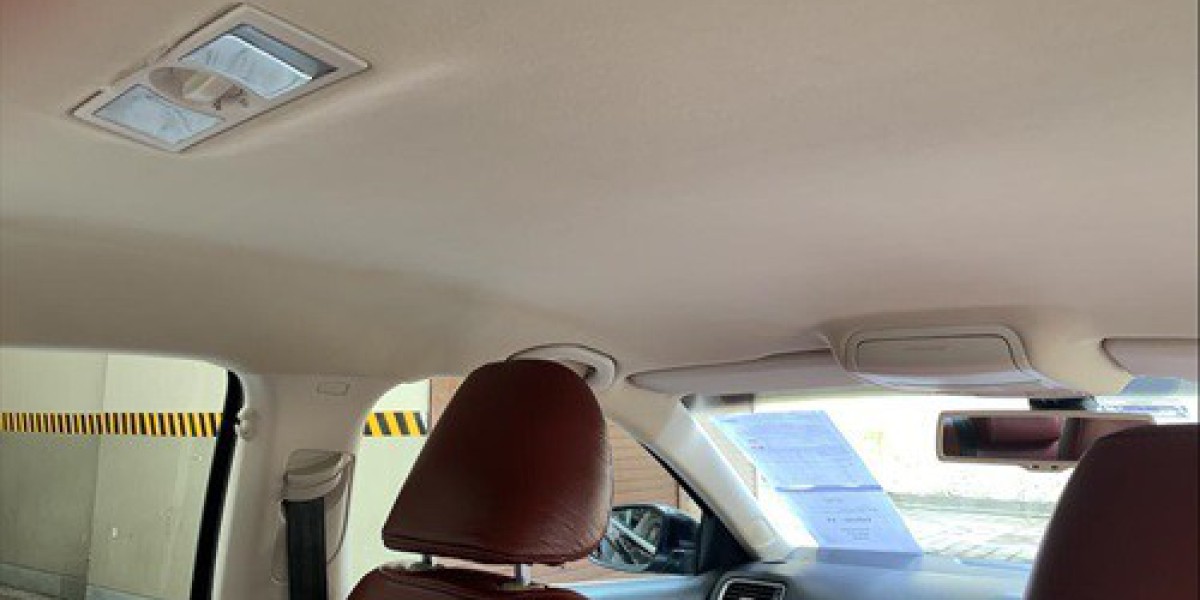

When a manufacturer selects upholstery material for an OEM product, the decision often starts with a simple question: will the material work reliably in the finished application? For businesses sourcing seating and interior materials, a PVC artificial leather OEM supplier needs to provide more than a visually appealing surface. The material must correspond with the required construction, production process, environmental conditions and quality expectations.
PVC artificial leather has become a practical material option for several industrial applications, including automotive seating, buses, railway interiors, marine upholstery, two-wheeler seats and commercial seating. Its versatility comes from the ability to manufacture different thicknesses, backing constructions, surface finishes and specifications for different applications.
For OEM procurement teams, understanding these differences can make supplier selection more structured and reduce the risk of choosing a material that does not match the final product.
From Material Selection to OEM Product Development
OEM manufacturing is built around repeatability. A material that performs well during an initial trial must also be available with consistent specifications when production moves to regular orders.
PVC artificial leather typically consists of a PVC-coated surface supported by a fabric construction. Depending on the application, manufacturers can work with polyester, nylon, cotton, woven or knitted backing materials. Thickness, GSM, width, surface texture and finish can also vary.
This flexibility is useful when a manufacturer is developing seating or interior components with specific design and production requirements. Rather than treating every PVC leather product as interchangeable, buyers can evaluate the material according to how it will be cut, stitched, upholstered and used.
That is one reason the role of a PVC artificial leather OEM supplier extends beyond simply supplying rolls of material.
The Importance of Getting the Construction Right
A material's surface appearance is only one part of its specification. The construction underneath the surface can influence handling and suitability for manufacturing.
For example, PolyFabs' automotive artificial leather range includes thicknesses of 0.70, 0.80, 0.85 and 1.00 mm. The listed construction uses a 100% PVC coating, while fabric options include polyester, nylon, cotton, woven and knitted materials depending on the specification. Listed weights range from 500 to 1000 GSM, with 1370 mm as the standard width and widths up to 1500 mm available.
These specifications give OEM buyers several parameters to consider before approving a material. The correct choice depends on the product design and application rather than thickness alone.
Automotive Seating and Interior Applications
Automotive seating is one of the areas where PVC artificial leather can be used as an interior material. Seating surfaces may encounter repeated friction, regular cleaning, temperature changes and exposure to environmental conditions.
PolyFabs lists AMRI, GERMAN, ASTER, LEXUS and NUBUK within its automotive artificial leather range. The stated features include high abrasion resistance, color fastness, fire retardancy and weather resistance. Depending on the specification, anti-stain, anti-fogging, anti-bacterial and anti-fungal characteristics are also listed.
For an OEM buyer, the important point is to connect these characteristics with the actual vehicle application. A material requirement should be established from the design, usage conditions and applicable customer specifications rather than selected solely from a product name.
Transport Interiors Demand Consistent Material
Public and commercial transportation can place substantial repeated-use demands on seating materials. Buses, state transport vehicles and railway coaches can require materials selected for durability, appearance, maintenance and application-specific safety requirements.
PolyFabs offers transport artificial leather for railway, state transport and commercial vehicle or bus applications. Listed thicknesses are 0.75, 0.95 and 1.10 mm, with fabric options available in polyester, nylon, cotton, woven and knitted constructions depending on specifications.
The stated features include fire retardancy, color fastness, weather resistance, high abrasion resistance, anti-bacterial and anti-fungal properties, along with soft feel and anti-stain characteristics.
For manufacturers working on transport projects, supplier discussions can therefore focus on the precise construction required for the seating program instead of using a single generic grade across different applications.
Export Quality Starts With Clear Specifications
International procurement adds another layer to material selection. Buyers searching for PVC artificial leather export quality may be looking for an Indian supplier capable of meeting defined technical and commercial requirements for overseas projects.
However, "export quality" should not be treated as a universal technical specification. The actual requirements can vary according to the application, customer, destination market and project documentation.
OEM buyers should establish measurable requirements for thickness, width, fabric construction, finish, color and relevant performance characteristics. Where a customer specifies particular testing or compliance requirements, those should be identified before production.
A clear technical specification allows both buyer and supplier to work toward the same material target and provides a reference for repeat orders.
Why Manufacturing Processes Matter
PVC artificial leather production involves multiple manufacturing stages. Coating determines the PVC layer and its relationship with the backing material, while processes such as calendering, printing, lamination and embossing can contribute to the final construction and appearance.
PolyFabs has manufacturing capabilities covering coating, calendering, printing, lamination and embossing. The company also states that it has its own fabric manufacturing and complete in-house testing facilities.
For OEM buyers, these capabilities can be useful when discussing custom material requirements. A supplier with knowledge of multiple production stages can better explain which aspects of a requested specification are relevant to the manufacturing process.
PVC Leather Beyond Automotive
The application of PVC leather extends beyond vehicle interiors. Marine upholstery, two-wheeler seating and commercial seating can require different material characteristics.
For marine applications, PolyFabs lists Marine Dollar, Marine Colorado and Marine Oceanic. These products are listed at 1.00 mm thickness and 750 GSM, with 1370 mm standard width and availability up to 1500 mm. Stated characteristics include weather resistance, salt-water resistance, high abrasion resistance, anti-mold, anti-bacterial and anti-fungal properties.
Two-wheeler seating uses another set of requirements. PolyFabs lists D-132, D-M53, D-90, D-09, D-Nimbus and D-Hawkinum, with thicknesses of 1.00, 1.20, 1.50 and 1.70 mm. Listed characteristics include high abrasion resistance and anti-slip properties, with stay-cool black options also available.
These examples show why application-specific material selection is important when sourcing PVC artificial leather.
Commercial Seating and Interior Design
Commercial seating presents a different combination of aesthetic and functional requirements. Cinema and theater seats need materials that can maintain their appearance under repeated public use while fitting the design language of the interior.
PolyFabs lists MDO/Cineplex, MOA/Cineplex and Tammy for the commercial seating segment. The listed thicknesses are 1.00 and 1.20 mm, with 100% PVC coating and fabric options depending on specifications. The range includes characteristics such as fire retardancy, color fastness, weather resistance, high abrasion resistance, anti-bacterial and anti-fungal properties.
For OEM and contract seating manufacturers, such application-specific ranges can simplify the initial material evaluation process.
Where PVC Films Fit Into the Broader Manufacturing Picture
Businesses researching PVC film manufacturers India may also encounter manufacturers whose capabilities extend into artificial leather and other PVC products. This broader manufacturing background can be relevant when a buyer is evaluating suppliers for multiple PVC-based requirements.
Premier Polyfilms Limited manufactures PVC films and printed sheeting for applications including automotive, interiors, healthcare and general household uses. Its broader product portfolio also includes PVC flooring, self-adhesive films, geomembranes, swimming pool liners and roofing sheets.
The connection between PVC film manufacturing and artificial leather is particularly relevant from a process perspective because manufacturing capabilities such as coating, calendering, printing and lamination are used across different PVC product categories.
Quality and Supplier Assessment
A long-term OEM relationship requires a structured quality approach. Buyers should review samples, confirm specifications and establish appropriate quality checks before moving into regular production.
Premier Polyfilms Limited states that it has complete in-house testing facilities and technical support for its PVC manufacturing activities. The company also identifies itself as an ISO 9001:2015 certified company.
For procurement teams, these details can form part of supplier due diligence, but they should be considered alongside the actual material specification, sampling process, production controls and documentation required for the individual project.
Working With an OEM Supplier
Effective OEM sourcing usually begins with a detailed material brief. The buyer should communicate the intended application, expected usage conditions, dimensions, thickness, backing requirements, surface appearance and any specific technical requirements.
The supplier can then recommend an appropriate product range or discuss a suitable construction. Samples can be assessed during development before the final specification is approved.
This process is especially useful when the material will be used across a large production program. Once an approved specification is established, it can serve as a reference for subsequent orders and quality inspections.
PolyFabs as an Indian PVC Manufacturer
PolyFabs is the brand associated with Premier Polyfilms Limited, an Indian manufacturer of PVC products established in 1992. The company states that it has more than 30 years of experience and has served more than 5,000 clients.
Its manufacturing facilities are located in Uttar Pradesh, with capabilities covering coating, calendering, printing, lamination, embossing, fabric manufacturing and in-house testing.
Its artificial leather portfolio serves automotive, transport, marine, two-wheeler and commercial seating applications. This range allows buyers to evaluate PVC artificial leather according to the requirements of different industrial markets.
Building a More Reliable OEM Procurement Process
Selecting a PVC artificial leather OEM supplier is ultimately a technical and commercial decision. The supplier needs to understand the application, provide a suitable material construction and maintain the agreed specification through production.
For buyers, the process becomes clearer when material selection begins with the end application. Instead of asking only for a price per metre, procurement teams can define the required thickness, width, backing, finish and performance characteristics and then compare suitable materials.
This approach also creates a stronger foundation for export procurement, repeat orders and long-term OEM manufacturing relationships.
As PVC artificial leather continues to serve transportation, automotive, marine and commercial seating markets, manufacturers can benefit from treating material sourcing as part of product development rather than as a last-stage purchasing decision.
Frequently Asked Questions
What does a PVC artificial leather OEM supplier provide?
A PVC artificial leather OEM supplier provides PVC-based artificial leather materials that can be selected or developed according to an OEM's application, construction, dimensions and production requirements.
Can PVC artificial leather be supplied in different thicknesses?
Yes. Different product ranges can have different thickness options. PolyFabs, for example, lists several thickness ranges across its automotive, transport, marine, two-wheeler and commercial seating products.
What backing fabrics can be used with PVC artificial leather?
Depending on the specification, PolyFabs lists polyester, nylon, cotton, woven and knitted fabric options across relevant artificial leather ranges.
Is PVC leather suitable for automotive seating?
PVC leather can be used for automotive seating when its construction and characteristics are appropriate for the specific vehicle application and agreed requirements.
What should overseas buyers check when sourcing export-quality PVC artificial leather?
Buyers should confirm technical specifications, applicable testing requirements, documentation, packaging and any customer or destination-market requirements before production.
What is the relationship between PVC film and artificial leather manufacturing?
Both product categories can involve processes such as coating, calendering, printing and lamination. Manufacturers with capabilities across these processes may support a broader range of PVC product requirements.