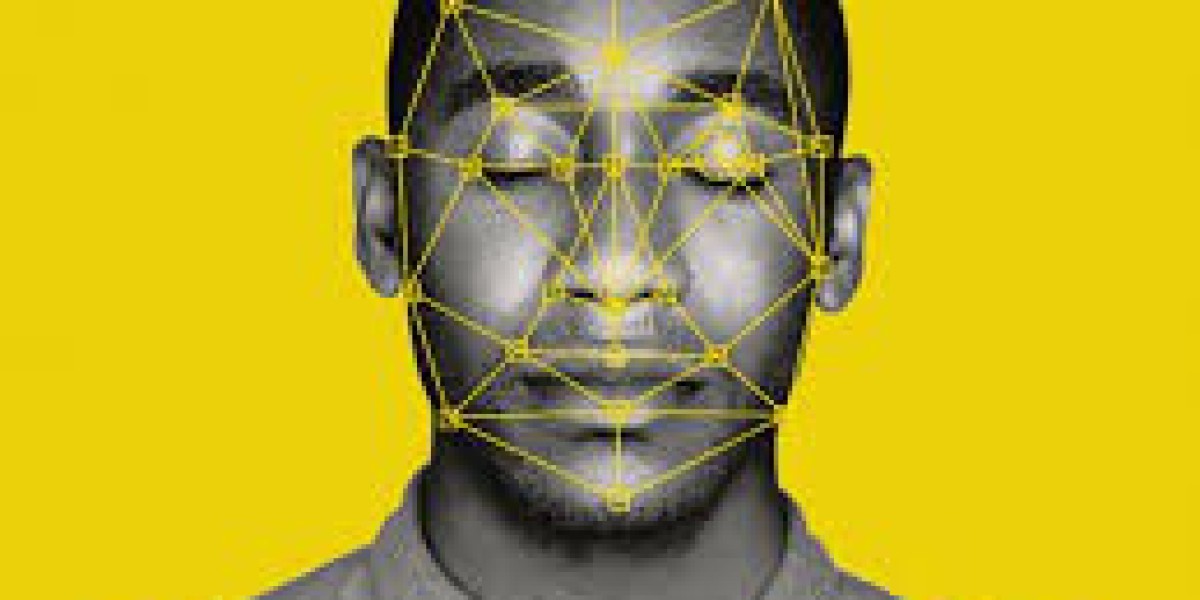

Have you ever looked at two people and thought they could be related because of their facial similarities? Artificial intelligence (AI) can now analyze facial features and identify visual similarities that may be difficult to assess consistently with the human eye. A face matching app uses computer vision and machine learning to compare facial characteristics and help answer the question, “Do these faces look similar?”
This technology can be used for entertainment, exploring family resemblance, photo organization, and other applications involving facial analysis. However, it is important to understand what these tools actually assess and what their results can—and cannot—confirm.
How Does Facial Matching Technology Work?
A facial matching system typically begins by detecting a face in an image. The software examines characteristics such as the placement of the eyes, shape of the nose, distances between facial features, jaw structure, and overall facial proportions.
Rather than comparing two photographs in the same way a person would, AI systems convert facial characteristics into mathematical representations. These representations, often called facial embeddings, allow software to compare different faces based on measurable features.
After analyzing the images, the system produces an output indicating the degree of similarity between the faces. A higher similarity score does not necessarily mean that two people are biologically related.
What Is a Face Comparison App Used For?
A face comparison app can be used to explore visual similarities between people and photographs. For example, users can compare photographs of themselves from different periods to see which facial characteristics have changed or remained similar over time.
Comparing family members can also be useful for exploring visible resemblances across generations. However, facial appearance alone cannot establish a biological relationship.
Other uses of face comparison technology include:
Comparing and organizing photographs
Testing facial analysis technology
Exploring potential look-alikes
Examining visual similarities between family members
It is important to remember that facial similarity does not prove that two people are related. Biological relatives can have noticeably different appearances, while unrelated people can sometimes have remarkably similar facial features.
How Accurate Is an AI Facial Matching App?
The accuracy of an AI facial matching app can vary depending on several factors. Results may be affected by photo quality, lighting, facial angle, camera type, image age, hairstyle, makeup, and changes in a person's appearance over time.
Different facial analysis systems may also use different methods for measuring and comparing facial features. Because of these variables, users should treat the results as an indication of visual similarity rather than confirmation of biological relationship or identity.
What Can Affect a Match?
Several conditions can influence the outcome of a facial comparison, including:
Poor-quality photographs
Different facial angles
Inconsistent lighting
Obstructions such as masks or sunglasses
Significant differences in age
Changes in hairstyle or appearance
Using clear photographs taken under reasonably similar conditions can make comparisons more consistent. Even then, the result should be interpreted within the limitations of the technology.
Face Recognition vs. Facial Similarity
Although a face recognition app and a facial similarity tool may sound similar, they can serve different purposes.
Face recognition technology is generally designed to determine whether a face corresponds to a particular person or matches an identity within a relevant database. Facial similarity technology, on the other hand, focuses on identifying common or comparable characteristics between faces.
This distinction is important. A similarity score does not identify a person. Instead, it indicates how closely certain facial features align according to the system being used.
Before users download the face recognition app, they should examine what the app actually does, what information it collects, and how it processes and stores photographs.
Privacy Is Important When Using Facial AI
Facial photographs contain personal information, so privacy should be an important consideration when using an online AI tool. Users should review an app's privacy policy before uploading images.
Important questions may include whether photographs are stored, how long they are retained, whether they are shared with third parties, and whether uploaded images may be used to improve the technology.
Understanding these practices can help users make more informed decisions about which facial analysis tools they choose to use.
Exploring Facial Comparison Tools
People researching a face matching app may come across Face DNA Test, which provides tools for exploring visual similarities between photographs. Users should still consider image requirements, privacy practices, and the limitations of facial analysis before choosing a service.
Conclusion
AI-based facial comparison demonstrates how technology can transform visible facial characteristics into measurable data and use that information to compare photographs. These tools can provide an interesting way to explore facial resemblance, but their results should be interpreted within the limitations of the technology.
For more consistent comparisons, users should choose clear photographs, understand the factors that can affect results, and review the privacy practices of the tool they use. If the goal is to establish a biological relationship, DNA testing should be used rather than relying on facial similarity alone.






