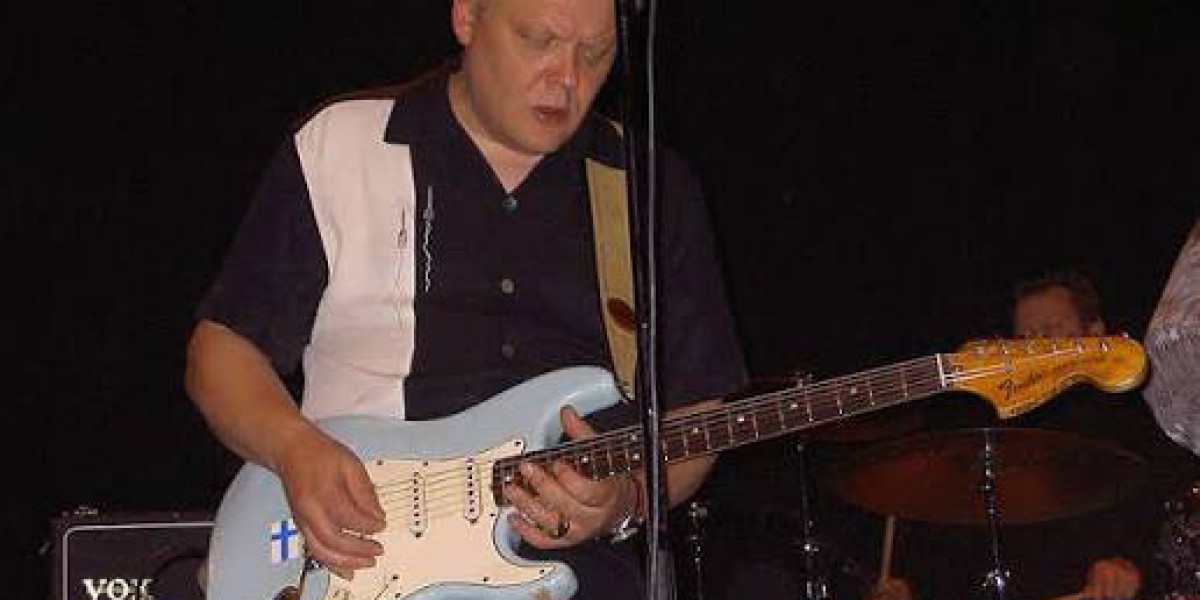

Esa Pulliainen has become one of the most popular guitarists in Finnish popular music throughout the years in his long career with Agents. He never sought to impress with tricky solos. But he made a unique, lyrical, expressive guitar sound that could be identified in seconds by listeners.
Their sound is unique: Finnish sorrow mixed with rautalanka, rock & roll, schlager, and traditional guitar music. Pulliainen was a key figure in the creation of that persona. His mastery of technique and tone, along with a wonderful sense of melody, has propelled Agents to become one of Finland’s most distinctive bands.
The start of his sound
Agents came to our houses when Esa Pulliainen was already playing music. He was interested in music from an early age and was drawn to guitar-based styles that suited his innate sense of melody.
Pulliainen was not influenced by one guitarist but by a range of guitarists. His influences were traditional Finnish rautalanka, early rock and roll, and melodic instrumental music. These would later become the key elements of the Agents’ sound.
Building Agents
Pulliainen became the musical focus of the band, and agents were formed in 1979. From the start, the band’s identity was linked to guitar melodies, restrained arrangements, and songs mixing nostalgia and passion.
Pulliainen knew a guitar didn’t have to be played every second of a song. Normally he would leave space for the singer and the other musicians. When the guitar is more prominent, it usually adds emotion or offers a catchy melodic hook.
A recognisable guitar tone
A bright, open guitar sound was one of Pulliainen’s most formidable weapons as a musician. He did not use distortion, preferring a clean sound, where individual notes could be discerned distinctly.
Reverb and echo also helped lend depth to the mix. This created a little distant, ambient sound for the guitar that fit well into the impassioned core of Finnish music. The result was a warm and lonely tone.
The Rautalanka influence
Rautalanka is a major aspect of Finnish guitar music, and Pulliainen’s music is definitely influenced by Rautalanka. The style is generally characterized by a clean electric guitar, melodic leads, and an atmospheric sound that can evoke strong sentiments of nostalgia.
Pulliainen didn’t simply regurgitate old Rautalanka notions. He adapted them to the needs of agents, mixing them with rock, pop, and Finnish schlager. It allowed the band to sound recognizable but not stuck in the past.
He was a public person all his life, and his contribution to the Finnish guitar music was considerable. In the ensuing years, Esa Pulliainen's condition and rumors concerning his health have been the subject of conversations, especially for those fans following the musician’s news outside of his stage career.
Melody before speed
Pulliainen’s guitar playing showed that memorable music doesn’t have to be fast. His best sentences were often short, but every note was worth it.
A small musical phrase can carry the emotional weight of a whole composition. His gift for creating memorable phrases gave the songs of the Agents a personality that survived the band’s singers or musical direction.
Space in the music
In Pulliainen's playing, quiet was almost as significant as sound. He barely filled the gap with guitar notes. Instead, he allowed the arrangement some air.
This allowed the vocals room to breathe and made the guitar work harder when it was turned up. A phrase that follows a vocal line can answer the singer, add to the mood of the words, or guide the listener to the next segment.
Working with singers
Pulliainen’s playing developed to suit the many vocal styles as the agents worked with several well-known vocalists over the years. The band is most known for working with Topi Sorsakoski.
Pulliainen knows how to support a big singer, not to compete with her. His guitar was often a second voice, answering the singer with wonderful lines. This link adds to the dramatic and emotional ambience in the case of numerous agents' records.
The role of emotion
Pulliainen's was an enthusiastic approach, yet one that called for technical skill. His songs have a lot to do with sadness and longing and nostalgia, but not in a really extreme way.
This emotional reserve was particularly apt for Finnish popular music. The guitar can express feelings that the songs might not describe. "It made it more ambient, but it also allowed some space for interpretation for the listeners.”
A careful approach
Control affected Pulliainen's sound. The notes were hand-selected, and the tone was the same. His play never seemed overextended.
This careful approach allowed agents to preserve a unique identity from age to era. Music tastes changed, singers changed, and audiences changed, but the guitar was one of the most crucial bridges between the numerous stages of success the band enjoyed.
Guitar and Finnish identity
The timbre of Pulliainen’s song also brought to mind Finnish traditions. In Finnish pop music, simple melodies are commonly used for themes of desire, love, and loss.
His guitar style fit nicely with the surroundings. The music has a noticeable northern character, with clear, slightly sorrowful melodies. Even the instrumental portions have a feel that will be instantly recognizable to many Finnish listeners.
Lasting influence
Pulliainen has influenced the melodic guitar playing of many Finnish guitarists. He stressed that tone and personality are more essential than technical information.
His work has kept rautalanka-inspired guitar music alive for new generations. By adapting established guitar traditions to contemporary arrangements, the agents introduced these sounds to audiences who might not have previously associated with Finnish instrumental music.
Of course, his music was not only fascinating but also his personal life years later. Then there is the truth of Esa Pulliainen’s illness and others who have delved beyond his record, as well as stories about his career, successes, and contribution to Finnish music.
Why the sound worked
The sounds of the Agents worked because all the pieces of them supported each other. Arranged vocals, rhythm section, and guitar to create a full atmosphere instead of fighting for attention.
Pulliainen’s guitar was really good; you could hear it without the sound having to be loud. His playing was confident but restrained, melodic but not overly complex. And this balance would be one of the unique aspects of the Agents.
More than a guitarist
Pulliainen’s significance was not only in the particular guitar works he played. His effect on the Agents was immense—the arrangements, the musical direction, the whole personality of the band.
He knew enough about music to know when the guitar should be front and center and when it should be in the background. His hearing of music made his work last.
Conclusion
The Agents’ distinctive guitar technique was based on the crisp tones, quick melodies, and rautalanka influences of Esa Pulliainen and a strong sense of control. His playing demonstrated that a guitarist didn't have to play all the time to make an impression. He constructed a musical identity via Agents that became closely associated with Finnish popular culture and established him as one of the most identifiable guitarists in the country.