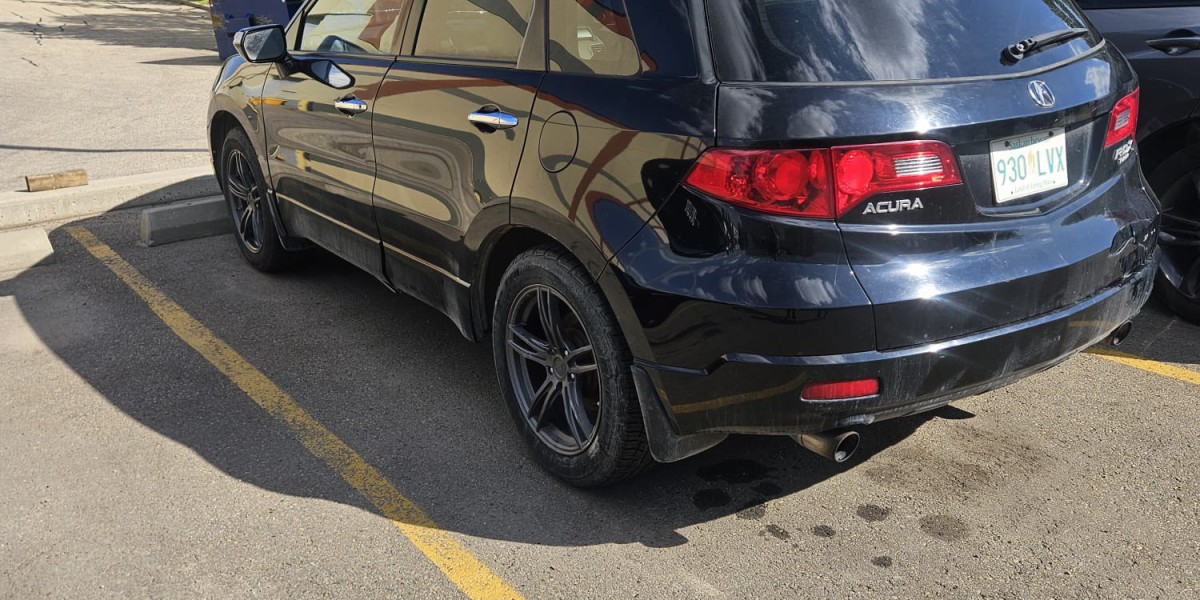

Selling an old vehicle in Calgary sounds simple until you start wondering what you are supposed to do with the licence plates. Should you leave them on the car for the buyer? Should the towing company take them? Do you need to cancel your registration first? These small details can create unnecessary confusion, especially when you are selling a damaged, unwanted, or non-running vehicle.
If you are selling your car for cash in Calgary, one of the safest things to remember is that your Alberta licence plate is connected to you as the vehicle owner, not something that normally stays with the vehicle when ownership changes. Alberta guidance states that licence plates remain with the owner and are not transferable to another person.
Should You Remove Your Licence Plates Before Selling?
In most situations, yes, you should remove your licence plates before handing the vehicle over to the buyer or having it picked up. This is particularly important when selling an old car to a cash-for-cars or junk-car buyer.
Your licence plate should not simply travel away with the vehicle because you are finished with it. Alberta provides procedures for returning plates and cancelling vehicle registration, and the government specifically advises that plates can be returned to a registry agent when you no longer need them.
This is easy to overlook when a tow truck arrives at your home. You may be focused on getting the keys, signing the paperwork, receiving payment, and watching the vehicle leave your driveway. Before the car is loaded, remember to check the front and rear of the vehicle and remove your plates.
Why Do Licence Plates Stay With You?
Think of your licence plate as part of your vehicle registration rather than part of the car itself. When you sell your vehicle, the buyer will generally handle their own registration and plate requirements.
If you are keeping another vehicle, your existing registration and plate may potentially be transferred to that vehicle if the requirements are met. Alberta says an existing licence plate and registration can be transferred to another vehicle in certain circumstances, with a 14-day period available for transferring the plate and registration when eligible.
That makes removing your plate before the old vehicle leaves particularly important if you intend to use that plate on another vehicle.
What If You Are Selling a Junk or Scrap Car?
This question becomes even more important when you are selling a vehicle that is going directly to a recycler, salvage yard, or cash-for-cars company.
You might think, “The car is going to be crushed anyway, so does the plate really matter?” It does. The condition of the vehicle does not change the fact that the licence plate is associated with your registration.
Even if the car has a blown engine, broken transmission, severe rust, accident damage, missing parts, or has been sitting in your backyard for years, make removing the plates part of your selling routine.
A vehicle can have very little mechanical value and still require proper ownership and registration steps.
What Should You Do With the Plates After Selling?
If you are keeping the plate for another vehicle, follow the appropriate Alberta registration process to transfer it when eligible. If you no longer need the plate, Alberta allows you to return it to a registry agent in person or by mail.
You may also need to cancel the vehicle registration. Alberta's current process for cancelling registration involves a registry agent and requires the licence plate, identification, and the applicable service requirements.
The important point is that removing the physical plate and dealing with the registration are related but separate steps. Taking the plate off the bumper does not automatically mean every registration or insurance matter has been completed.
Don't Forget Your Insurance
Another common mistake is thinking that selling the vehicle automatically takes care of everything. It is better to treat the sale as a complete process.
Once the vehicle has been sold, deal with your insurance provider about the vehicle and your coverage. Your insurance company can explain exactly what needs to be cancelled, changed, or transferred based on your policy.
This becomes especially important if you are selling a vehicle that has been sitting unused. You don't want to assume that because the car has not moved for months, everything has automatically been cancelled.
What If the Car Is Being Towed Away?
This is where many Calgary sellers get caught off guard.
Imagine you have an old SUV sitting in your driveway. It has a dead battery, four flat tires, and has not been driven for more than a year. You arrange cash for cars Calgary pickup, the tow truck arrives, and the driver starts preparing the vehicle for loading.
Before the vehicle leaves, take a minute to remove your licence plates. Then make sure you have your keys, personal belongings, ownership documents, and any other items you want to keep.
If the vehicle cannot roll or steer, the towing process may involve a winch or other equipment. That makes it even easier to forget something while everyone is focused on getting the car onto the truck.
What About a Car With No Registration?
A vehicle does not become worthless just because its registration has expired or you are no longer using it on the road. However, registration and ownership issues should be handled honestly during the sale.
If you have lost your registration certificate, do not assume that the missing paper means you cannot sell the vehicle. Alberta registry agents provide services including duplicate registration certificates, registration transfers, and cancellations.
The situation can be different if the vehicle is registered to someone else, inherited, financed, or subject to a lien. In those cases, establish who legally owns the vehicle and what documentation is required before arranging the final sale.
What If You Are Selling the Car Privately?
Selling privately creates another reason to keep the paperwork organized. Alberta's standard bill of sale is used to transfer ownership in a private vehicle sale and includes important information such as the buyer, seller, VIN, vehicle details, price, and signatures.
Do not rely on simply handing over the keys and removing the plate. A properly documented transaction gives both sides a clear record of what happened.
If you are selling to a business, the paperwork can be different because automotive businesses have their own bill-of-sale requirements.
A Simple Pre-Pickup Check
Before your cash-for-cars pickup arrives, walk around the vehicle one last time. Remove both licence plates, check the glove box and centre console, take out personal documents, remove garage remotes, and collect anything else you want to keep.
Then check that you have the vehicle keys and any ownership documents available. If the car is damaged or does not run, tell the buyer before pickup so the towing process can be planned properly.
This five-minute check can save you from discovering later that an important document, personal item, or licence plate disappeared with the vehicle.
The Bottom Line for Calgary Sellers
If you are selling your car for cash in Calgary, don't leave your licence plates behind simply because the vehicle is being towed away. Alberta treats licence plates as belonging to the vehicle owner, and the province provides specific processes for transferring, returning, or cancelling plates and registration.
The easiest approach is to make plate removal part of your final selling checklist. Remove the plates, sort out your registration, contact your insurer, complete the required sale paperwork, and then let the vehicle go.
Whether you are selling a running SUV, an accident-damaged sedan, a dead truck, or an unwanted junk car sitting in your driveway, handling these small details correctly can make the entire cash-for-cars process much smoother.