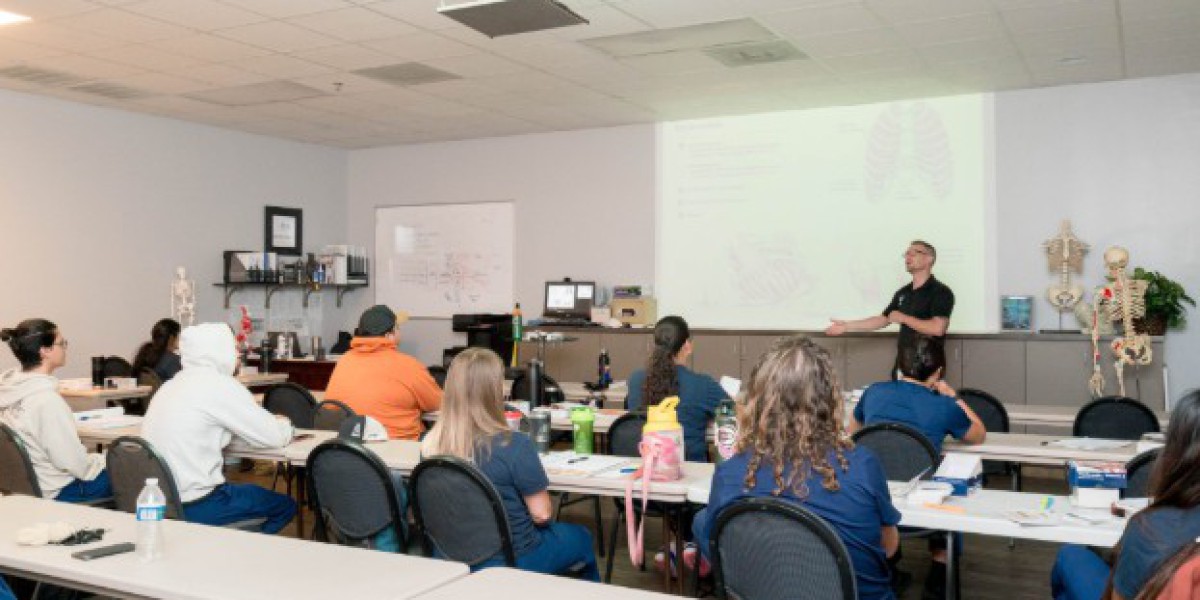

Choosing a massage therapy program is an important step for anyone interested in building practical skills and preparing for professional licensure. A quality education can provide the foundation for understanding anatomy, movement, client communication, ethics, safety, and hands-on massage techniques. When comparing massage schools in San Antonio, prospective students should look beyond basic course descriptions and consider factors that may affect their learning experience and career preparation.
Massage therapy training involves both classroom education and supervised practical work. Students need opportunities to understand the body, develop safe hands-on techniques, communicate professionally with clients, and apply what they learn in structured settings. The right program should help students understand the expectations of the profession while encouraging steady skill development.
Understand Texas Training Requirements
Before enrolling, it is important to understand the state-level requirements for becoming a licensed massage therapist. Texas regulates massage therapy and requires individuals to meet education, examination, and licensing standards before practising professionally.
Texas law requires massage-therapy applicants to complete at least 500 hours of supervised instruction. Required subject areas include massage techniques and theory, anatomy, physiology, kinesiology, pathology, hydrotherapy, laws and rules, business practices, ethics, health, hygiene, first aid, CPR, and internship experience.statutes.capitol.texas+1
When reviewing massage schools in San Antonio, prospective students should confirm that the program is appropriately licensed and that its core curriculum aligns with current Texas requirements. Students should also understand whether the advertised program includes only the required course hours or offers additional optional training.
A school’s curriculum should explain how learning is divided between theory, practice, and supervised clinical experience. A balanced program gives students time to build knowledge before working directly with members of the public in an internship setting.
Review the Course Curriculum
Massage therapy is more than learning a sequence of movements. Students need a working understanding of the human body and the ability to adapt techniques based on client goals, comfort, health history, and professional boundaries.
A well-structured curriculum may include:
Swedish massage techniques
Anatomy and physiology
Kinesiology and movement principles
Pathology and contraindications
Hydrotherapy concepts
Client intake and communication
Professional ethics and boundaries
Health, hygiene, and universal precautions
Business practices and recordkeeping
CPR and first-aid education
Supervised internship experience
Texas requires at least 200 hours dedicated to massage techniques, theory, and soft-tissue manipulation practice, including at least 125 hours focused on Swedish massage techniques.
Students should ask how practical skills are taught and assessed. For example, it is useful to know how much supervised practice is available, when students begin working with clients, how instructors provide feedback, and whether class sizes allow for meaningful individual guidance.
Consider Learning Format and Schedule
Different students have different schedules, responsibilities, and learning preferences. Some may prefer a traditional daytime schedule, while others may need evening, weekend, bilingual, or hybrid learning options.
When considering massage schools in San Antonio, ask about the full attendance commitment. This includes classroom hours, practical labs, internships, examinations, study time, and any mandatory events. A program that appears flexible may still require in-person attendance for hands-on training, clinical practice, or practical assessments.
Students should also consider travel time, parking, campus accessibility, and the location of any internship or student-clinic requirements. A realistic schedule can make it easier to attend consistently and complete the program successfully.
Online learning may be helpful for selected theoretical topics. However, massage education also requires direct instruction and supervised practice to develop correct body mechanics, draping methods, communication skills, and safe touch techniques.
Evaluate Student Support and Career Preparation
Education is only one part of preparing for a massage therapy career. Students may also need support with licensing steps, examination preparation, professional expectations, and career planning.
Useful student-support services may include:
Guidance on licensing documentation
Examination preparation resources
Study support and tutoring
Practical skill feedback
Career-planning discussions
Resume and interview preparation
Information about professional conduct
Assistance understanding internship expectations
Graduates may pursue work in a variety of settings, depending on their interests, training, licensing status, and local opportunities. These may include wellness settings, spas, chiropractic offices, rehabilitation facilities, fitness environments, hospitality businesses, or independent practice.
Students interested in offering the best massage in San Antonio should recognise that quality is built through education, ethical conduct, client-centred communication, ongoing learning, and reliable professional standards rather than a single technique or short-term trend.
Ask Questions Before Enrolling
Prospective students should speak directly with a school representative before making a decision. Written information is useful, but a conversation can clarify expectations and help identify whether the program is a suitable fit.
Important questions to ask include:
Is the school licensed to provide massage therapy education?
How many total hours are included in the program?
What are the attendance and graduation requirements?
How much supervised hands-on practice is provided?
When does the internship begin?
What costs are included in tuition?
Are books, supplies, uniforms, examinations, or licensing fees separate?
What support is available for examination preparation?
What is the expected time commitment outside class?
How are practical skills evaluated?
A program should be transparent about tuition, scheduling, attendance policies, training requirements, and the steps students must complete to pursue licensure. Clear answers can help students make a more informed decision.
Learning how to provide safe, respectful massage in San Antonio requires commitment, practice, and a willingness to continue improving after graduation. The strongest educational choice is often one that matches a student’s goals, schedule, learning needs, and long-term professional plans.
Conclusion
Selecting a massage therapy program involves reviewing curriculum quality, state requirements, hands-on training, schedule flexibility, instructor guidance, and student support. Taking time to compare options can help prospective students choose a program that offers meaningful preparation for the next stage of their education and career. For individuals exploring massage therapy in San Antonio, TX, it is important to confirm that the program supports the required path toward licensure and provides a structured environment for building practical knowledge and professional confidence. A thoughtful decision at the beginning of training can support stronger learning outcomes and a more informed transition into the massage therapy profession.