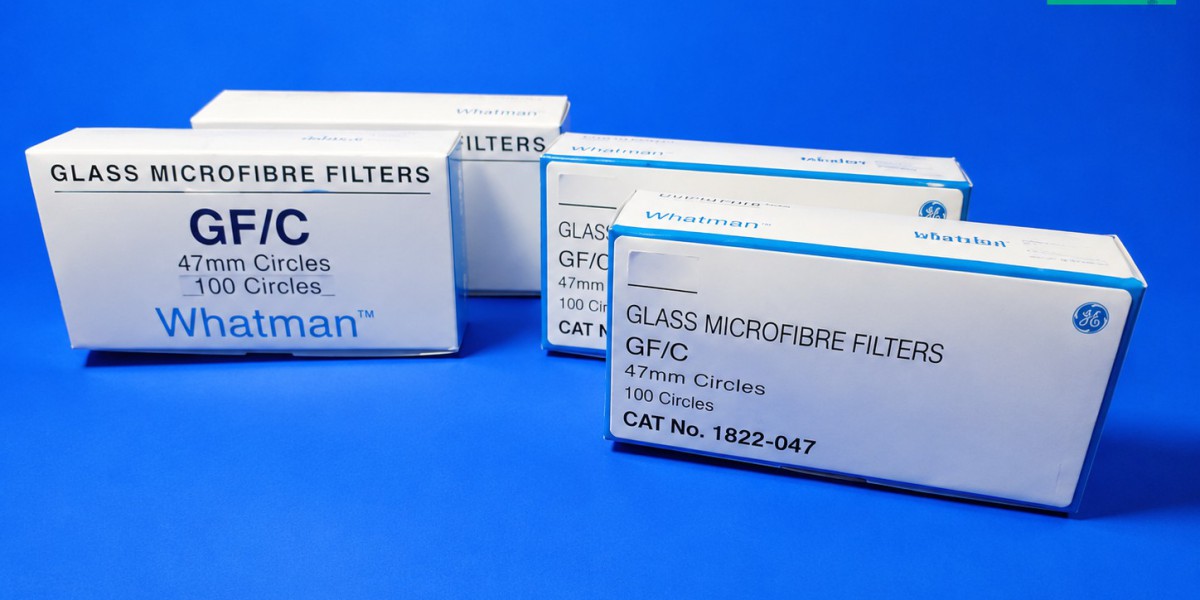

The term GF C is commonly associated with GF/C glass microfiber filtration materials used in laboratory, environmental, and industrial testing. GF/C filters are made from glass microfiber and are designed to retain fine suspended particles while allowing liquid to pass through efficiently. Scientific references describe GF/C as a filtration grade used for collecting suspended particulate material from water and other samples. Because the keyword can appear in different technical and commercial contexts, understanding its meaning, properties, applications, and handling requirements is important for anyone researching GF C for laboratory or industrial purposes.
What Is GF C?
GF C generally refers to a glass microfiber filter grade commonly written as GF/C. These filters are made from borosilicate glass fibers and are designed for applications where fine particle retention and good liquid flow are required. A GF/C filter has a nominal pore size commonly associated with fine particulate collection, making it useful for separating suspended material from liquids. Scientific databases use GF/C as a defined filtration category for suspended particulate matter, while laboratory suppliers describe the material as a glass microfiber filter suitable for analytical and environmental applications.
Why Is GF C Important?
GF C is important because filtration is a fundamental part of many laboratory and environmental testing processes. Samples often contain suspended particles that need to be separated before further analysis. A suitable glass microfiber filter can collect these particles while allowing the liquid portion of the sample to pass through. This makes GF/C useful in applications where researchers need to determine suspended solids, collect particulate material, prepare samples, or perform further chemical analysis on material retained by the filter.
Main Properties of GF C
The main properties associated with GF/C filters include a glass microfiber construction, fine particle retention, good flow characteristics, and useful loading capacity. Commercial descriptions identify GF/C as a hydrophilic glass microfiber material that can retain fine particles while maintaining practical filtration performance. Its glass construction also gives the filter useful thermal and chemical characteristics for appropriate laboratory applications. The exact performance can vary depending on the manufacturer and filter design, so users should review the technical specifications of the particular product before use.
GF C Glass Microfiber Construction
GF/C filters are produced using fine glass fibers that form a porous filtration structure. The glass microfiber network creates pathways through which liquid can pass while suspended particles become trapped within or on the filter structure. Some GF/C products are described as binder-free, which can be valuable when contamination from additional binding materials needs to be minimized during analysis. Borosilicate glass is commonly used in these filters because of its useful resistance and suitability for laboratory applications.
How Does GF C Filtration Work?
GF/C filtration works by passing a liquid sample through a porous glass microfiber structure. Suspended particles that are sufficiently large to be retained become trapped within the filter, while the liquid continues through the filtration material. The process can be used to collect suspended particulate matter for weighing, analysis, or further laboratory testing. Scientific environmental vocabularies specifically describe material collected through GF/C filtration as particulate matter retained by the glass fiber filter.
GF C in Water Testing
Water testing is one of the important areas where GF/C filtration can be useful. Natural water, drinking water, wastewater, and industrial water may contain suspended solids that need to be separated from the liquid before analysis. GF/C filters are used for collecting suspended material from water samples, allowing laboratories to study the amount and characteristics of particulate matter present in the sample. Environmental testing references also associate GF/C filtration with suspended-solids analysis and related measurements.
GF C for Suspended Solids Analysis
Suspended solids analysis involves determining the amount of particulate material present in a liquid sample. GF/C filters can serve as the collection medium because they retain fine suspended particles while allowing the liquid to pass through. The retained material can then be processed according to the analytical method being used. Scientific data systems specifically identify particulate material collected through GF/C filtration as a recognized sample phase for environmental measurements.
GF C in Laboratory Research
Laboratories use glass microfiber filtration materials for many sample preparation and analytical processes. GF/C can be useful when researchers need to remove suspended particles, collect particulate material, or prepare a liquid sample for another analytical procedure. Its combination of fine particle retention and practical flow characteristics makes it suitable for different research environments. The exact suitability depends on the sample composition, filtration method, required particle retention, and analytical objective.
GF C in Environmental Testing
Environmental testing often involves samples from water bodies, wastewater systems, industrial processes, and other environments where suspended particulate material may be present. GF/C filtration can help separate these particles from the liquid so they can be measured or studied independently. Scientific environmental vocabularies recognize GF/C as a filtration basis for measurements involving suspended particulate material, organic carbon, nitrogen, and related analytical parameters.
GF C and Chemical Analysis
GF/C filters can also support chemical analysis by separating particulate material from a liquid sample before the sample undergoes additional testing. In some analytical procedures, the material retained by the filter is itself the subject of investigation. Researchers may examine its composition, organic content, inorganic components, or other characteristics depending on the purpose of the study. Proper selection of the filter is important because the filtration material should not introduce unwanted contamination or interfere with the analytical method.
GF C and Particle Retention
Particle retention is one of the key characteristics that makes GF/C filtration useful. The glass microfiber structure can retain fine suspended material while still allowing liquid to pass through at a practical rate. This balance between retention and flow can be helpful when processing samples that contain fine particles. The actual retention performance depends on the specific filter design, sample properties, particle characteristics, and filtration conditions, so users should select the appropriate filter according to the requirements of their application.
Benefits of GF C Filters
GF/C filters offer several benefits for suitable laboratory and environmental applications. Their glass microfiber structure provides effective collection of fine suspended particles, while their porous construction supports liquid flow. Some products are binder-free, which can help reduce the possibility of contamination from added binders during analytical work. Their ability to collect particulate matter also makes them useful for environmental testing and sample preparation.
GF C and High Loading Capacity
Loading capacity is another useful characteristic associated with GF/C filtration materials. A filter with suitable loading capacity can collect a meaningful amount of suspended material before filtration becomes significantly restricted. This can be especially helpful when samples contain a relatively high concentration of suspended particles. Commercial descriptions of GF/C filters highlight their ability to combine fine particle retention with useful loading performance, although the actual capacity depends on the filter size, sample composition, and filtration conditions.
Choosing the Right GF C Filter
Choosing a GF/C filter requires consideration of the sample, filtration purpose, particle concentration, required retention, flow characteristics, and analytical method. Users should also consider whether the filter contains a binder, what material it is made from, and whether its chemical and thermal characteristics are appropriate for the intended application. Different manufacturers may offer GF/C products with variations in dimensions, thickness, packaging, and other specifications, so the product documentation should always be checked before selection.
Proper Handling of GF C Filters
Proper handling is important when GF/C filters are used for analytical work because contamination can affect test results. Filters should be handled with clean equipment and stored in a suitable environment before use. Users should avoid unnecessary contact with the filtration surface and should follow the preparation requirements of the analytical method. When filters are being weighed before and after filtration, careful handling is especially important because moisture, dust, and other contaminants can influence the final result.
Storage of GF C Filters
GF/C filters should be stored in conditions appropriate for laboratory filtration materials and according to the manufacturer's recommendations. The filters should be protected from moisture, dust, chemicals, and physical damage that could affect their performance. Proper storage also helps maintain the cleanliness of the filter before it is introduced into a sample preparation or analytical procedure. If a filter becomes visibly contaminated or damaged before use, it should be evaluated according to the requirements of the testing method.
Safety Considerations When Using GF C
Although GF/C filters are common laboratory materials, appropriate safety practices are still important. Handling glass microfiber materials should be performed carefully to reduce unnecessary contact with loose fibers or damaged filter material. Users should also consider the hazards of the samples being filtered because the liquid may contain chemicals, microorganisms, or other potentially hazardous substances. Appropriate laboratory procedures and protective equipment should be used according to the nature of the sample and the testing environment.
Difference Between GF C and Other Filter Materials
GF/C filters differ from many membrane filters because they use a glass microfiber structure rather than a polymeric membrane. This construction gives them different filtration characteristics, including useful particle retention and flow behavior. The best filter depends on the application because some analytical procedures require specific membrane materials or pore characteristics, while others benefit from glass microfiber filtration. Comparing material compatibility, retention performance, flow rate, and analytical requirements can help users select an appropriate filtration medium.
Is GF C a Chemical?
GF C is not generally the name of a single chemical substance. In scientific filtration contexts, GF/C refers to a grade of glass microfiber filter used for collecting suspended particles and other laboratory filtration purposes. However, similar GF-C terminology can also appear as part of commercial product names for specialty chemical formulations, so the exact meaning should be determined from the context in which the term appears. For example, a commercial textile binder can use GF-C as part of its product designation, demonstrating why context matters when researching this keyword.
Common Uses of GF C
GF/C filters are commonly associated with water testing, suspended solids analysis, environmental monitoring, sample preparation, laboratory filtration, and particulate collection. They may also be used in research procedures involving liquid scintillation counting, radiometric applications, binding assays, and other laboratory techniques depending on the specific filter format. The correct application depends on the characteristics of the filter and the requirements of the testing procedure.
Frequently Asked Questions About GF C
What does GF C mean?
GF C commonly refers to GF/C glass microfiber filter material used for laboratory and environmental filtration. It is particularly associated with collecting suspended particulate matter from liquid samples.
Is GF C a chemical?
In the common laboratory filtration context, GF/C is a filter grade rather than a single chemical substance. However, GF-C can also appear in commercial chemical product names, so the surrounding context should be checked before determining its meaning.
What is GF C used for?
GF/C is used for applications such as suspended solids collection, water testing, environmental analysis, sample preparation, and other laboratory filtration processes where fine particulate material needs to be retained.
What material is GF C made from?
GF/C filters are commonly made from glass microfiber, with borosilicate glass used in many commercially available products. Some versions are binder-free to support analytical applications where low contamination is important.
Why is GF C useful for water testing?
GF/C filters can retain suspended particles from water samples while allowing the liquid to pass through. This makes them useful for collecting particulate material for suspended solids and related environmental measurements.
Can GF C be used for industrial wastewater?
GF/C filtration can be suitable for certain industrial wastewater testing applications where suspended solids or particulate material need to be collected. The filter should be selected according to the sample composition and requirements of the specific analytical method.
What makes GF C different from membrane filters?
GF/C uses a glass microfiber filtration structure, while many membrane filters use polymeric materials with defined membrane pores. Their filtration behavior, chemical compatibility, and particle retention can therefore differ, making application requirements important when selecting between them.
How should GF C filters be handled?
GF/C filters should be handled carefully using clean equipment and appropriate laboratory procedures. Avoiding contamination, moisture exposure, and physical damage is particularly important when the filter is being used for quantitative analytical testing.
Conclusion
GF C, commonly written as GF/C in laboratory filtration, is an important glass microfiber filter grade used for collecting fine suspended particles from liquid samples. Its combination of particle retention, useful flow characteristics, and practical loading capacity makes it valuable for environmental testing, water analysis, laboratory research, and sample preparation. It is important to remember that the term can have different meanings in different commercial contexts, so users should examine the product description and technical documentation before assuming that GF C refers to a particular substance or material. When the term refers to GF/C filtration, selecting the correct filter and using proper handling procedures can support cleaner samples, dependable filtration, and more reliable analytical results.