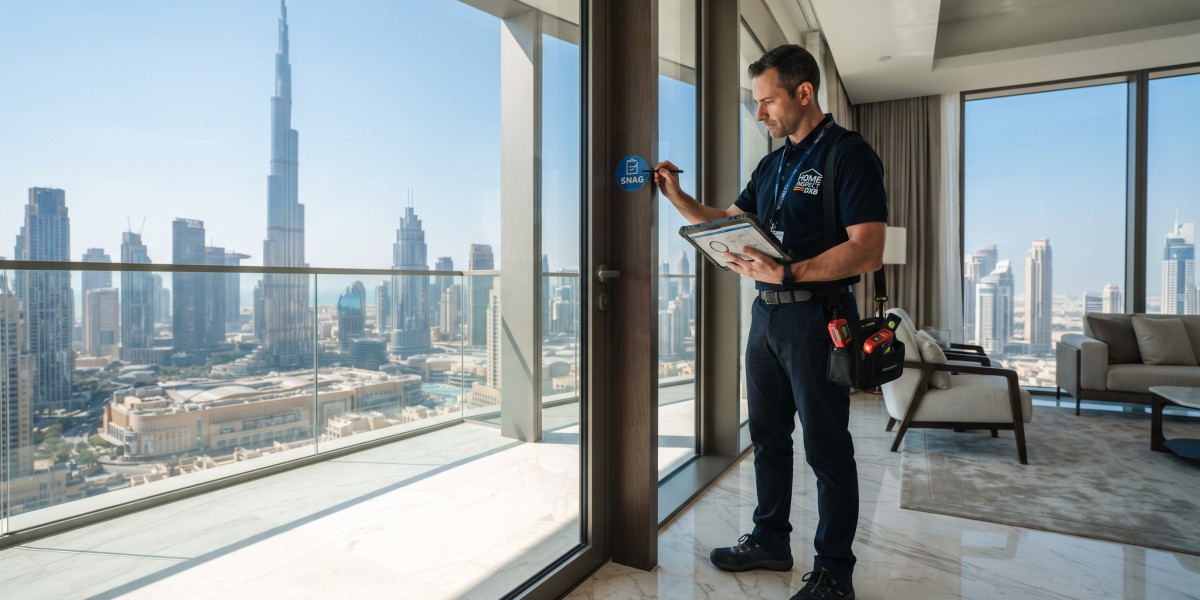

Buying a property in Dubai is an important investment, whether you are purchasing a new apartment, villa, townhouse, or another type of property. While a property may look perfect during a viewing, small construction and finishing problems can sometimes remain hidden until a detailed inspection is carried out. This is where Snagging In Dubai Explained becomes important for property buyers who want to understand the condition of their home before accepting the handover. Property snagging involves carefully inspecting a property to identify visible defects, unfinished work, poor workmanship, damaged fixtures, and other issues that may need attention. A proper snagging inspection can give buyers a clearer understanding of the property's condition and help them communicate outstanding issues before moving into their new home.
What Is Property Snagging?
Property snagging is the process of inspecting a newly built or recently completed property to identify defects and unfinished items before or around the handover stage. These issues can range from minor paint marks and damaged surfaces to problems with doors, windows, flooring, plumbing, electrical fittings, air conditioning, and other building components. The purpose of snagging is not simply to find faults but to create a clear record of items that require correction. In Dubai, where new residential developments are continuously being delivered, snagging can be an important step for buyers who want their property checked carefully before considering the handover process complete.
Why Is Snagging In Dubai Important?
Snagging in Dubai is important because a property can contain defects that are difficult to notice during a normal viewing. Developers and contractors work through complex construction and finishing processes, and small problems can occasionally remain after the main work appears complete. A detailed inspection gives the buyer an opportunity to identify these issues and request appropriate corrective work. Finding problems before moving into the property can also make communication with the developer easier because the defects can be documented and discussed while the property is still within the handover or rectification process.
When Should You Arrange a Snagging Inspection?
The ideal time for a snagging inspection depends on the development, handover arrangements, and condition of the property, but buyers generally benefit from arranging an inspection before final acceptance or as early as the developer permits. Inspecting the property before furniture and personal belongings are moved inside makes it easier to access walls, floors, ceilings, cabinets, bathrooms, windows, and other areas. An early inspection can also help identify defects while the property is still relatively accessible to the construction or maintenance team. Buyers should review their purchase and handover documents to understand the procedures and timelines that apply to their particular property.
What Does a Snagging Inspection Cover?
A professional snagging inspection can cover many visible and accessible areas throughout a property. The inspection may examine walls, ceilings, floors, doors, windows, cabinets, wardrobes, kitchens, bathrooms, balconies, electrical fittings, plumbing fixtures, air conditioning components, and general finishing quality. External areas may also be reviewed where they are accessible and included within the inspection scope. The exact inspection process can vary depending on the property type and service provider, but the main objective is to identify defects that could affect appearance, functionality, usability, or finishing quality.
Common Defects Found During Snagging
Common snagging issues can include uneven paintwork, scratches, cracks, damaged tiles, gaps around fixtures, poorly fitted doors, misaligned cabinets, damaged surfaces, leaking taps, drainage problems, loose fittings, defective switches, faulty sockets, window problems, and incomplete finishing. Some defects are cosmetic and may be relatively simple to correct, while others can affect the property's functionality or comfort. A detailed inspection helps separate different types of issues and provides the buyer with a clear record of what needs to be addressed before the property is considered ready.
Snagging Walls, Ceilings, and Paintwork
Walls and ceilings are important areas during a property snagging inspection because finishing problems can become obvious once the property is examined under suitable lighting and from different angles. Inspectors may look for cracks, uneven surfaces, patchy paint, stains, marks, poor plaster finishing, visible joints, or areas where paint has not been applied properly. Small cosmetic issues may not appear significant individually, but identifying them before occupancy can help ensure that the overall finish meets the expected standard. Any signs of moisture or unexplained staining should also receive careful attention because they may indicate a deeper issue requiring further investigation.
Checking Doors and Windows
Doors and windows should be inspected for proper alignment, smooth operation, suitable sealing, visible damage, and finishing quality. A door that sticks, does not close correctly, or has uneven gaps may require adjustment. Windows should open and close properly where they are designed to do so, while seals and frames should be checked for visible defects. Properly functioning doors and windows can contribute to security, comfort, insulation, and protection from external conditions. Snagging allows these components to be checked before the buyer settles into the property.
Inspecting Kitchens and Cabinets
The kitchen is another important part of a snagging inspection because it contains many fixtures, fittings, surfaces, appliances, cabinets, drawers, and connections. Cabinets should be checked for alignment, damage, gaps, and smooth operation, while worktops and splashback areas should be inspected for scratches, chips, uneven joints, or incomplete finishing. Plumbing connections and visible fittings should also be examined for signs of leakage or poor installation. Where appliances are included with the property, their visible condition and basic operation may also be checked according to the inspection scope.
Checking Bathrooms and Plumbing
Bathrooms require careful inspection because plumbing and finishing defects can lead to inconvenience and potentially more serious property problems if they are not addressed. A snagging inspection may examine taps, sinks, toilets, showers, drains, tiles, sealant, mirrors, cabinets, and other visible fixtures. Inspectors may look for leaks, poor drainage, damaged surfaces, gaps in sealant, loose fittings, or water marks. Proper drainage and effective sealing are especially important because moisture can damage finishes and contribute to long-term maintenance problems if defects are left unresolved.
Electrical and Lighting Checks
Electrical fittings are another important area of property snagging. Visible switches, sockets, lights, fixtures, and other accessible electrical components can be checked for damage, poor installation, alignment, or basic functionality where appropriate testing is safe and included within the inspection. Buyers should remember that a visual property inspection is not necessarily the same as a specialist electrical safety assessment. If a serious electrical concern is identified, an appropriately qualified professional may be required to investigate it in greater detail.
Air Conditioning and Ventilation
Dubai's climate makes effective cooling and ventilation particularly important for residential comfort. During snagging, accessible air conditioning components and vents can be inspected for visible damage, installation problems, unusual noise, poor airflow, or other noticeable concerns. The exact testing possible will depend on the system and inspection scope. Any unusual smell, water leakage, excessive condensation, or performance concern should be documented and communicated for appropriate investigation. Properly functioning cooling systems can have a major effect on the comfort and usability of a Dubai property.
Balcony and External Areas
Balconies, terraces, entrances, and other accessible external areas should also be considered during a comprehensive snagging inspection. Inspectors may look for damaged tiles, cracks, drainage concerns, unfinished surfaces, loose fittings, damaged railings, or poor finishing. Drainage is particularly important in external areas because standing water can contribute to staining and deterioration. Safety-related concerns involving railings, access points, or other visible features should receive particular attention and should be reported for appropriate correction.
Why a Professional Snagging Inspection Can Help
A professional snagging inspection can provide a more systematic approach than a quick personal walkthrough. Experienced inspectors know which areas commonly develop construction and finishing defects and can examine the property in a structured manner. They can also document findings clearly so that the buyer has a useful record to share with the relevant developer or contractor. Professional inspection does not guarantee that every concealed defect will be discovered, but it can help identify many visible and accessible issues that a buyer may overlook during a normal viewing.
What Is a Snagging Report?
A snagging report is a documented record of defects and unfinished items identified during an inspection. A useful report should clearly describe the location and nature of each issue so that the responsible party can understand what needs attention. Photographs can make individual findings easier to identify, particularly when several similar rooms or fixtures exist within the property. A well-organized report can therefore serve as a practical communication tool during the rectification process and help the buyer track whether reported issues have been addressed.
What Happens After Snagging?
After the inspection, identified defects are generally communicated to the relevant developer, contractor, or responsible party according to the property's handover procedure. The responsible team may review the reported issues and arrange corrective work where appropriate. Once repairs or finishing work have been completed, the buyer can review the property again to determine whether the reported concerns appear to have been resolved. A follow-up inspection can be useful when significant defects were identified during the original assessment or when the buyer wants additional confirmation that outstanding items have been addressed.
Snagging for New Properties in Dubai
New properties are often associated with modern finishes and facilities, but being newly constructed does not automatically mean that every part of a property will be free from defects. Construction involves many different trades, materials, fixtures, and finishing processes, and small issues can sometimes remain at completion. Snagging gives buyers a structured opportunity to inspect the finished property and raise concerns before settling in. For new apartments, villas, and townhouses in Dubai, a detailed inspection can therefore form an important part of the property handover process.
Snagging for Resale Properties
Snagging is commonly associated with new developments, but a detailed property inspection can also be useful when purchasing a resale property. Existing properties may have wear, previous repairs, maintenance issues, or defects that are not immediately visible during a viewing. An inspection can help a buyer understand the observable condition of the property before completing the purchase. The inspection approach may differ from new-property snagging because age, maintenance history, renovation work, and occupancy can all affect the condition of an existing home.
How to Choose a Snagging Service in Dubai
When choosing a snagging service in Dubai, buyers should consider the inspector's experience, inspection scope, reporting process, property type expertise, and ability to communicate findings clearly. It is useful to understand what areas will be inspected and whether the service includes photographs, a detailed report, testing, or a follow-up inspection. Buyers should also make sure the service matches the type of property they are purchasing. Comparing the inspection scope rather than focusing only on the service price can help buyers understand what they are actually receiving.
Common Mistakes Buyers Should Avoid
One common mistake is relying entirely on a quick visual walkthrough without systematically checking the property. Another mistake is focusing only on cosmetic defects while overlooking functional areas such as plumbing, drainage, doors, windows, cooling systems, and electrical fittings. Buyers may also forget to document defects clearly, which can make later communication more difficult. Waiting too long to report issues can create additional complications depending on the property's handover arrangements and applicable terms. A structured inspection and clear documentation can help reduce these avoidable problems.
Benefits of Snagging In Dubai
The main benefit of snagging is that it gives property buyers a clearer picture of the visible and accessible condition of their home before or around handover. It can help identify finishing defects, functional concerns, incomplete work, and areas requiring attention. A detailed snagging report can also make communication with the responsible party more organized. For buyers investing significant money in a Dubai property, having a documented inspection can provide useful information for the handover and rectification process while helping them prepare the property for comfortable use.
Frequently Asked Questions About Snagging In Dubai Explained
What does snagging mean in Dubai property?
Snagging means inspecting a property to identify defects, unfinished work, damaged components, poor finishing, and other visible or accessible issues that may require correction. It is commonly associated with new property handovers but can also be useful for resale properties.
Is snagging necessary for a new property?
A new property can still contain construction or finishing defects, so a snagging inspection can be useful even when the property appears complete. A detailed inspection gives the buyer an opportunity to identify and document concerns before settling into the home.
What areas are checked during property snagging?
A comprehensive inspection may cover walls, ceilings, flooring, doors, windows, kitchens, bathrooms, cabinets, electrical fittings, plumbing fixtures, cooling systems, balconies, and other accessible areas. The exact scope depends on the inspection service and property.
What happens after a snagging report is prepared?
The report can be shared with the relevant developer, contractor, or responsible party so that identified issues can be reviewed and corrected where appropriate. After repairs, the buyer can inspect the property again to check the reported items.
Can snagging find hidden defects?
A standard snagging inspection mainly focuses on visible and accessible areas. Concealed defects inside walls, ceilings, floors, or other inaccessible locations may require specialist investigations or additional testing to identify.
Is professional snagging better than checking the property yourself?
A professional inspection can provide a more systematic assessment because experienced inspectors know common construction and finishing issues and can document findings clearly. Buyers can still perform their own walkthrough, but professional inspection can provide an additional level of detail.
When should buyers arrange snagging?
Buyers should consider arranging snagging as early as the developer's handover process allows, preferably before the property is occupied. The specific timing should be considered alongside the purchase agreement and handover procedures.
Can snagging be done for villas and apartments?
Yes, snagging can be performed for different property types, including apartments, villas, and townhouses. The inspection areas and approach may vary according to the property's design, size, facilities, and accessibility.
Conclusion
Snagging In Dubai Explained is an important topic for property buyers who want to understand the condition of their home before completing the handover process. A property may look attractive during a viewing while still containing finishing defects, installation problems, damaged fixtures, drainage concerns, or incomplete work. A detailed snagging inspection helps identify these issues and provides a documented record that can be used during the rectification process. Whether buying a newly completed apartment, villa, townhouse, or resale property, buyers can benefit from understanding what snagging involves and why careful inspection matters. By checking the property systematically, documenting concerns clearly, and arranging appropriate follow-up where necessary, buyers can approach the handover process with better information about the condition of their investment.