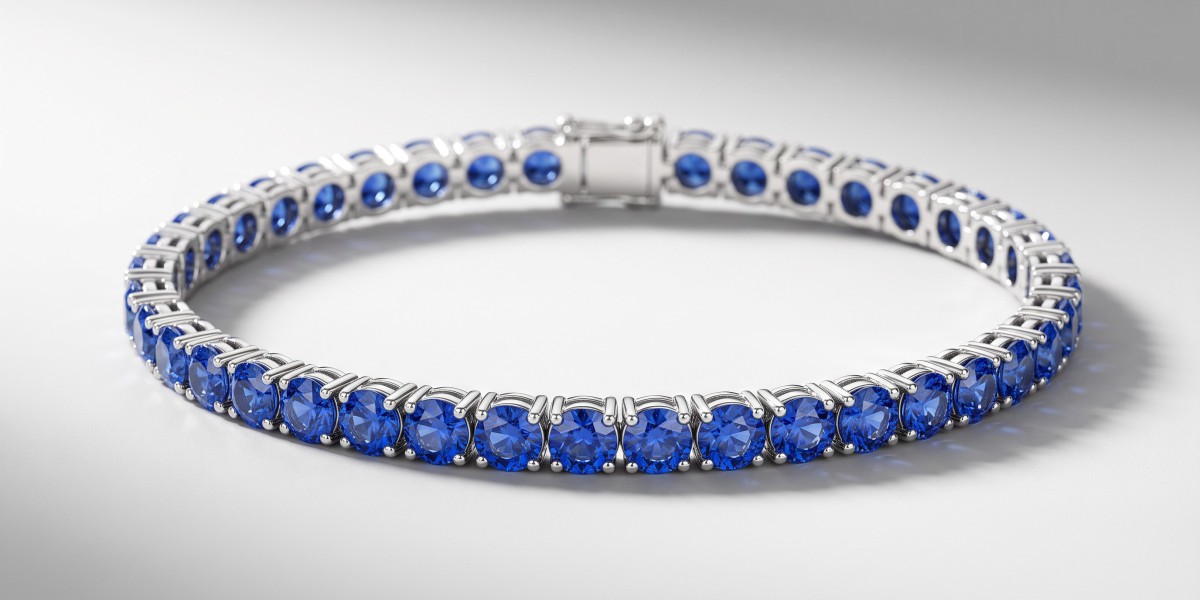

When you want a piece of jewelry that combines classic elegance with distinctive color, sapphire tennis bracelets can be an appealing choice. Blue sapphires offer a rich, sophisticated appearance, while the traditional tennis bracelet design provides a refined look that can be worn with both casual and formal outfits. Whether you are shopping for an everyday accessory, a meaningful gift, or a statement piece for a special occasion, understanding sapphire quality, bracelet settings, metals, and styling can help you make a more informed choice.
What Makes Sapphire Tennis Bracelets Special?
A tennis bracelet is traditionally designed with a continuous row of gemstones set closely together around the wrist. When sapphires are used instead of the more commonly seen diamonds, the bracelet takes on a distinctive appearance.
The deep blue color of sapphire can provide a strong contrast against precious metals. Depending on the design, diamonds may also be incorporated to add brightness and visual balance.
Several characteristics contribute to the overall appearance and value of a sapphire bracelet, including:
- Sapphire color and saturation
- Gemstone clarity
- Cut and shape
- Carat weight
- Metal type
- Setting style
- Bracelet length and fit
- Quality of craftsmanship
Natural sapphires have been valued for centuries, and blue remains the most recognized sapphire color. However, the quality of individual stones can vary considerably. For this reason, the gemstone should be evaluated as carefully as the bracelet's overall design.
How Should You Evaluate Sapphire Quality?
The quality of sapphires is generally assessed through several factors. Unlike diamonds, sapphire grading does not follow exactly the same standardized system used for the four Cs of diamonds.
Color
Color is one of the most important considerations when choosing sapphires. A desirable blue sapphire typically has a rich, attractive blue color without appearing excessively dark or dull.
Some sapphires display lighter blue tones, while others have intense royal or deep blue shades. Your preferred color can depend on personal taste and the overall design of the bracelet.
Clarity
Sapphires commonly contain inclusions, which are internal characteristics formed during their growth. Some inclusions can be expected in natural sapphires and do not automatically indicate poor quality.
However, excessive inclusions can affect transparency and appearance. A stone that looks bright and attractive to the eye is often preferred for jewelry.
Cut
Cut affects how effectively a sapphire reflects and distributes light. Well-cut stones can appear more lively and balanced, while poorly cut gemstones may look dull even when the color is attractive.
For a bracelet, consistency is particularly important because multiple sapphires are placed side by side. Similar cuts and proportions help create a cohesive appearance.
Carat Weight
Carat refers to gemstone weight rather than its physical dimensions alone. A bracelet containing larger sapphires can have a more prominent appearance, while smaller stones can create a delicate and understated design.
The total carat weight should therefore be considered alongside the bracelet's dimensions, setting, and overall design.
Which Metal Works Best With Blue Sapphires?
The metal selected for a sapphire tennis bracelet can significantly influence its overall appearance.
White Gold
White gold creates a clean and contemporary appearance. Its neutral tone can allow the blue sapphires to become the visual focus.
It is often selected for modern jewelry designs where a bright, polished appearance is desired.
Yellow Gold
Yellow gold creates a warmer contrast against blue sapphires. The combination can produce a classic and luxurious appearance.
For people who prefer traditional jewelry styles, yellow gold can be an attractive option.
Rose Gold
Rose gold provides a softer and warmer appearance. Its pinkish tone can create an interesting contrast with blue gemstones and works particularly well with contemporary designs.
Platinum
Platinum is a durable precious metal that is frequently used for fine jewelry. Its naturally white appearance complements blue sapphires while providing a substantial feel.
The best metal ultimately depends on personal preference, existing jewelry, and the intended style of the bracelet.
What Sapphire Tennis Bracelet Setting Should You Choose?
The setting determines how gemstones are secured and how the bracelet looks when it is worn.
Prong Settings
Prong settings hold each gemstone in place using small metal claws. More of the sapphire can remain visible, allowing light to enter the stone from different directions.
However, the prongs should be inspected periodically because they can become worn over time.
Bezel Settings
In a bezel setting, the gemstone is surrounded by a metal rim. This can provide additional protection around the edges of the sapphire.
A bezel design can also create a sleek and modern appearance.
Channel Settings
Channel settings position gemstones closely between metal walls. This can produce a smooth appearance with minimal visible metal between stones.
Because tennis bracelets contain many individual gemstones, precise setting work is important for both appearance and security.
Should You Choose Natural or Lab-Created Sapphires?
One of the decisions you may encounter when shopping for sapphire tennis bracelets is whether to select natural sapphires or lab-created alternatives.
Natural sapphires are formed naturally beneath the Earth's surface and can contain characteristics associated with their geological formation.
Lab-created sapphires have essentially the same chemical composition and crystal structure as natural sapphires, but they are produced under controlled laboratory conditions.
The choice can depend on:
- Your budget
- Preference for natural gemstones
- Desired color and consistency
- Availability
- Personal values
- Whether gemstone origin matters to you
If a bracelet contains treated or lab-created sapphires, the information should be disclosed by a reputable jewelry seller. When purchasing a significant piece, documentation or a gemstone report may also be worth considering.
How Can You Wear a Sapphire Tennis Bracelet?
A sapphire tennis bracelet can be styled in several ways.
For everyday wear, it can be paired with a simple watch or understated jewelry. For formal occasions, it can be worn alongside diamond earrings, a necklace, or a sapphire ring.
Popular styling approaches include:
- Wearing the bracelet alone for a minimalist look
- Pairing it with a classic watch
- Stacking it with thin gold or platinum bracelets
- Matching it with sapphire earrings
- Coordinating it with a sapphire engagement or cocktail ring
- Wearing it as an accent with evening attire
When multiple bracelets are stacked together, different textures and widths can be used to create contrast. Care should be taken to ensure that harder or rougher jewelry does not repeatedly rub against the sapphire bracelet or its setting.
How Should You Care for a Sapphire Bracelet?
Sapphire is a relatively durable gemstone, but the bracelet's metal and setting still require appropriate care.
Regular cleaning can help maintain the bracelet's appearance. A soft brush, mild soap, and lukewarm water can generally be used for basic cleaning, provided the jewelry does not have special treatments or delicate components that require different care.
Before cleaning, check the manufacturer's recommendations.
You should also:
- Store the bracelet separately from other jewelry
- Avoid exposing it unnecessarily to harsh chemicals
- Check the clasps and settings periodically
- Remove the bracelet during activities that could cause impact
- Have fine jewelry professionally inspected when appropriate
- Keep documentation and gemstone reports in a safe place
The clasp deserves particular attention because tennis bracelets contain many gemstones and are often flexible. A secure clasp and safety mechanism can help reduce the risk of accidental loss.
What Should You Check Before Buying?
Before purchasing a sapphire tennis bracelet, consider both the gemstone quality and the construction of the bracelet.
A useful checklist includes:
- Confirm whether the sapphires are natural, lab-created, or treated
- Examine the consistency of the gemstone color
- Check the quality of the cut
- Review the metal type and purity
- Inspect the clasp and safety mechanism
- Look closely at the prongs or other settings
- Confirm the bracelet length
- Ask about warranties or maintenance services
- Request documentation when appropriate
- Compare craftsmanship rather than focusing only on gemstone size
The bracelet should also feel comfortable when worn. A design that is too loose may move excessively around the wrist, while one that is too tight may feel uncomfortable.
Why Are Sapphire Tennis Bracelets a Versatile Jewelry Choice?
The appeal of sapphire tennis bracelets comes partly from their ability to combine traditional jewelry design with the distinctive color of blue gemstones.
The continuous bracelet format provides a refined silhouette, while sapphires add more visual character than a traditional all-diamond design.
They can be worn for birthdays, anniversaries, weddings, formal events, or simply as an addition to an everyday jewelry collection. Because the design is relatively timeless, it can also transition between different fashion preferences over the years.
For those who already own diamond jewelry, a sapphire bracelet can introduce color without requiring a completely different jewelry style.
How Much Should You Spend on a Sapphire Tennis Bracelet?
There is no single price that applies to every sapphire tennis bracelet. Cost can vary significantly based on gemstone quality, total carat weight, metal, craftsmanship, treatment, origin, and brand.
Rather than selecting a bracelet based solely on gemstone size, consider the complete package.
A higher gemstone weight does not automatically mean that a bracelet will have a more attractive appearance. Color consistency, cutting quality, setting precision, and overall construction should also be evaluated.
For a substantial purchase, comparing several bracelets with similar specifications can help you understand how pricing differs.
Final Thought
Choosing sapphire tennis bracelets is about more than selecting a row of beautiful blue gemstones. The sapphire color, gemstone quality, setting, precious metal, craftsmanship, comfort, and care requirements should all be considered before making a purchase. A thoughtfully selected bracelet can provide a timeless combination of color and elegance while remaining versatile enough for everyday outfits and special occasions. By researching the gemstone characteristics and examining the quality of the bracelet itself, you can choose a piece that suits your personal style and can be enjoyed for years to come.