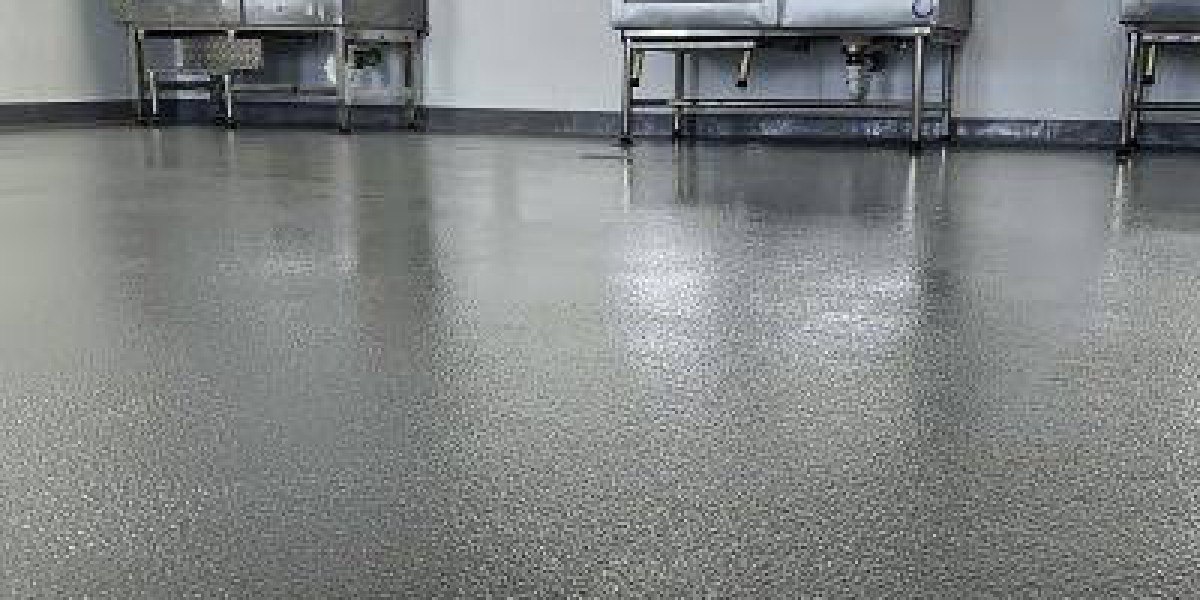

Your garage is more than a place to park a vehicle. It can serve as a workshop, storage area, home gym, hobby space, or multipurpose utility room. Because garage floors regularly experience vehicle traffic, oil spills, chemicals, moisture, dirt, and heavy equipment, choosing the right flooring system is essential.
Professional garage flooring services provide durable flooring solutions designed to protect concrete, improve appearance, simplify maintenance, and extend the usable life of your garage floor. From epoxy coatings and polyaspartic systems to decorative flake floors and quartz finishes, the right flooring system can transform an ordinary concrete slab into a clean, functional, and attractive surface.
What Are Garage Flooring Services?
Garage flooring services include the professional preparation, repair, installation, coating, and finishing of garage floors. Depending on the condition of the existing concrete and the customer's requirements, a flooring contractor may recommend a complete coating system or another specialized flooring solution.
A typical garage flooring project can include:
Concrete surface inspection
Crack and surface repair
Diamond grinding or mechanical preparation
Cleaning and degreasing
Primer application
Epoxy or polyaspartic coating
Decorative vinyl flakes
Quartz or broadcast aggregate systems
Protective topcoats
Final inspection and cleanup
The objective is not simply to make the garage floor look better. A properly installed flooring system should also provide suitable resistance to abrasion, stains, moisture, chemicals, and everyday garage traffic.
Why Invest in Professional Garage Flooring?
Bare concrete can be practical, but it is porous and can develop stains, cracks, dust, and surface wear over time. Professional garage floor coatings create a finished surface that is easier to clean and can provide additional protection.
1. Improved Durability
Garage floors must withstand more than ordinary foot traffic. Vehicles, toolboxes, storage cabinets, equipment, and dropped objects can place significant stress on the concrete surface.
A professionally installed coating system can provide a durable wear layer designed for the demands of a garage environment.
2. Easier Cleaning
Uncoated concrete can absorb oil, automotive fluids, and other contaminants. A properly sealed flooring system creates a smoother surface that is generally easier to sweep, mop, and maintain.
This makes routine garage cleaning much more convenient.
3. Better Stain Resistance
Oil and chemical spills are common in garages. Specialized garage floor coatings can help reduce penetration and make spills easier to clean before they become permanent stains.
4. Improved Appearance
Garage flooring no longer has to be plain gray concrete. Homeowners can choose from different colors, textures, decorative flakes, and finish options to create a customized appearance.
5. Reduced Concrete Dust
A deteriorating concrete surface can produce fine dust. Sealing or coating the floor can help encapsulate the surface and reduce loose concrete dust associated with an unfinished slab.
Popular Garage Flooring Options
There is no single flooring system that is ideal for every garage. The appropriate solution depends on the condition of the concrete, expected traffic, climate, budget, desired appearance, and intended use of the space.
Epoxy Garage Flooring
Epoxy flooring is one of the most recognized garage coating systems. Epoxy is created by combining resin and a hardener, producing a bonded coating when properly mixed and cured.
Benefits of epoxy garage flooring include:
Strong adhesion when correctly installed
Attractive finish
Multiple color options
Decorative flake compatibility
Good resistance to everyday garage wear
Easy maintenance
Epoxy can be an effective choice for homeowners seeking a durable and decorative garage floor.
Polyaspartic Garage Flooring
Polyaspartic coatings are another option for residential and commercial garage floors. They are known for relatively fast curing characteristics and can be used as part of a professionally installed flooring system.
Polyaspartic systems may be particularly useful when reduced installation time is important. Their performance depends on the specific product, installation method, concrete condition, and environmental conditions.
Decorative Flake Flooring
Decorative flake systems combine a base coating with colored vinyl flakes and a protective topcoat. The flakes create a textured, multi-color appearance that can also help disguise small amounts of dirt and everyday wear.
Homeowners can select different flake blends to create a customized garage floor design.
Quartz Flooring Systems
Quartz flooring uses aggregate broadcast into a resinous coating system. This approach can provide texture and a distinctive appearance while contributing to surface durability.
Quartz systems can be suitable for garages, workshops, utility areas, and other spaces where a textured flooring surface is desired.
The Garage Floor Installation Process
Professional garage flooring is about more than applying coating to concrete. Surface preparation is one of the most important parts of the installation process.
Step 1: Inspect the Concrete
The flooring professional evaluates the existing slab for cracks, spalling, stains, moisture-related concerns, uneven areas, and other conditions that could affect coating performance.
Step 2: Prepare the Surface
The concrete must be properly prepared so the coating can bond to the substrate. Mechanical preparation methods such as diamond grinding may be used to remove contaminants and create an appropriate surface profile.
Step 3: Repair Damage
Cracks, pits, damaged areas, and other imperfections may need to be repaired before the coating system is installed.
Proper repairs help create a more uniform finished floor.
Step 4: Apply the Base Coat
The selected resinous coating is applied according to the manufacturer's requirements. The installer must account for coverage, mixing, working time, temperature, and other application conditions.
Step 5: Add Decorative Elements
If the design includes decorative flakes or aggregate, they are broadcast into the coating while it is within the appropriate working stage.
Step 6: Apply the Topcoat
A protective topcoat can help protect the finished system against abrasion, stains, chemicals, and regular garage use.
Step 7: Final Inspection
The completed floor should be inspected for consistency, coverage, finish quality, and other installation requirements before the garage is returned to service.
Why Concrete Preparation Matters
One of the most important considerations when choosing garage flooring services is surface preparation.
Coating a dirty, contaminated, or poorly prepared concrete floor can compromise adhesion and overall performance. Oil contamination, curing compounds, loose concrete, moisture, and existing coatings may need to be addressed before installation.
Professional contractors therefore evaluate the substrate rather than simply covering existing problems.
The exact preparation method should be selected based on the condition and characteristics of the concrete.
Garage Flooring for Different Uses
A garage may have several functions, so flooring requirements can vary.
Residential Garages
For a typical residential garage, homeowners often prioritize appearance, easy maintenance, durability, and stain resistance. Epoxy, polyaspartic, and decorative flake systems are commonly considered.
Workshops
A workshop may experience heavier equipment use, dropped tools, oils, and chemicals. A flooring system should therefore be selected based on the expected mechanical and chemical exposure.
Home Gyms
If a garage is converted into a workout space, comfort, traction, cleaning requirements, and impact protection may become more important than simply choosing a traditional garage coating.
Commercial Garages
Commercial or industrial garages can have substantially higher traffic and different exposure conditions. Flooring specifications should be based on vehicle traffic, equipment, chemicals, maintenance procedures, and applicable performance requirements.
How to Choose the Right Garage Flooring Service
Before hiring a garage flooring contractor, consider several factors.
Evaluate the concrete: Ask whether cracks, stains, moisture concerns, or damaged areas need to be addressed first.
Understand the coating system: Ask which products and layers will be used and what each layer is designed to do.
Consider your garage usage: A parking-only garage may have different requirements than a workshop or commercial facility.
Ask about preparation: Surface preparation should be clearly explained because it plays an important role in coating adhesion.
Review maintenance requirements: Different flooring systems can have different cleaning and maintenance recommendations.
Check installation experience: Look for a contractor who can explain the installation process, substrate preparation, product specifications, and expected curing time.
Garage Flooring Maintenance
A properly installed garage floor is relatively straightforward to maintain, but regular care can help preserve its appearance.
Start by sweeping or dust-mopping the surface to remove dirt and abrasive particles. Clean spills promptly, particularly automotive fluids or chemicals. Use cleaning products appropriate for the specific flooring system and avoid harsh chemicals unless the coating manufacturer confirms compatibility.
Heavy equipment should also be handled carefully to avoid unnecessary impact or abrasion.
Frequently Asked Questions About Garage Flooring Services
How long does garage flooring last?
The service life of a garage floor coating depends on the coating system, concrete preparation, installation quality, traffic, chemical exposure, maintenance, and environmental conditions. A professionally installed system can provide long-term performance when properly selected and maintained.
Is epoxy flooring good for a garage?
Epoxy can be an effective garage flooring option because it provides a finished, durable, and easy-to-clean surface when properly installed over suitable concrete.
Can garage floor coatings be installed over cracked concrete?
Cracks should generally be evaluated and appropriately repaired before coating. The correct repair method depends on the type, size, movement, and condition of the crack.
How long does garage floor installation take?
Installation time varies according to garage size, concrete condition, preparation requirements, coating system, number of coats, and environmental conditions. The contractor should provide a project-specific schedule.
Can garage flooring be customized?
Yes. Many coating systems can be customized with different colors, decorative flakes, aggregate blends, and finish options.
Is professional installation necessary?
Professional installation can be beneficial because garage flooring performance depends heavily on substrate preparation, product selection, mixing, application, and curing conditions. DIY systems may be appropriate for some projects, but complex or heavily used garages can benefit from experienced installation.
Transform Your Garage With Professional Flooring
A high-quality garage floor can improve the appearance, cleanliness, functionality, and protection of your garage. Whether you are considering epoxy garage flooring, polyaspartic coatings, decorative flake floors, quartz systems, or another professional flooring solution, the right system begins with proper concrete evaluation and preparation.
Professional garage flooring services can help you select a flooring system based on how your garage is used, the condition of the existing concrete, and the performance characteristics you need. With the right preparation, materials, installation process, and maintenance, your garage floor can become a durable and attractive part of your property rather than simply an unfinished concrete surface.