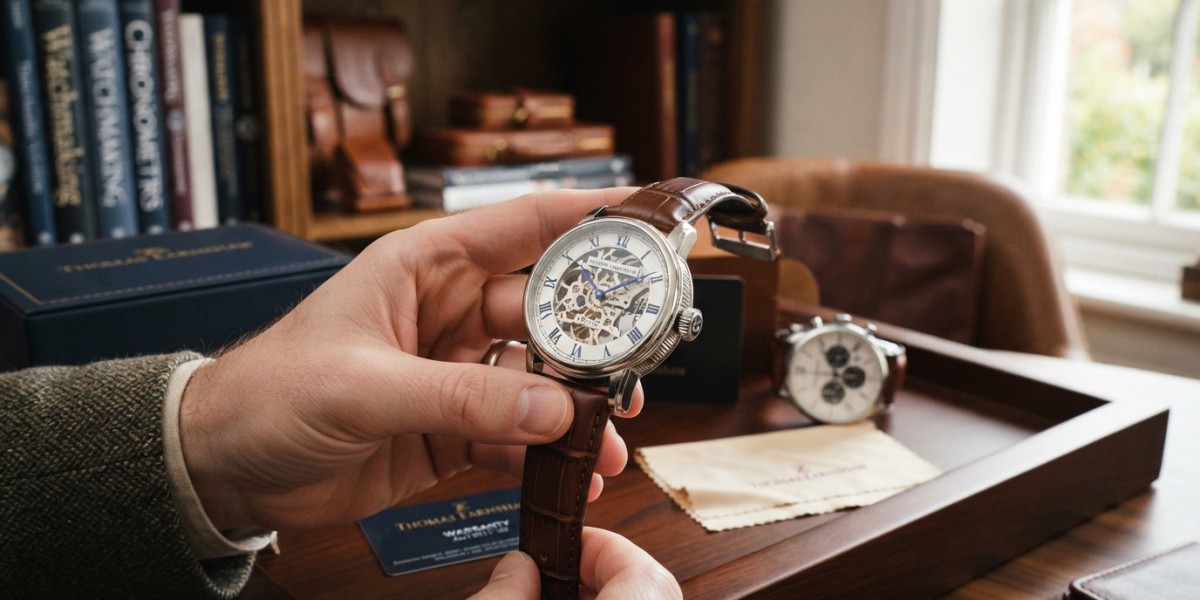

Ask a handful of watch collectors what pulls them in toward Thomas Earnshaw watches, and you’ll hear a few things again and again, not exactly in the same order each time. The brand’s appeal lies in its intriguing backstory, the visibility of its mechanical dials, and its affordable pricing that doesn’t require taking out a second mortgage or making an equally drastic financial decision. The brand keeps the Thomas Earnshaw name from an 18th-century British watchmaker, who worked on refining the marine chronometer, and it launched in 2012 as a kind of modern nod to that whole chapter in timekeeping. Over the past decade, the brand has attracted a growing number of buyers seeking a vintage aesthetic and genuine automatic movements, all while avoiding the pitfalls of exorbitant Swiss luxury prices. This blend of features is where the excitement truly begins.
The Story Behind the Name
For most new watch brands, they create a founder story so the marketing people have something ready to use. Thomas Earnshaw's story differs from that of many new watch brands, as he didn't need to create a founder narrative for marketing purposes. The real Thomas Earnshaw was a skilled horologist, known for his chronometers that assisted ships in determining their locations during long voyages. One notable reference is the HMS Beagle, the ship linked with Charles Darwin on that round-the-world journey. The company established in his name draws on that historical significance across several collections, often naming each line after an explorer, a ship, or a location associated with the golden age of navigation. People who actually care about where the “why” comes from tend to react to this pretty fast. It provides the watch with a purpose beyond simply telling time. And it’s the sort of detail that still pops up in reviews, and even in forum threads, years after someone buys the watch.
Skeleton Dials and Visible Movements
If there’s one design choice people connect with this brand more than anything else, it’s the skeleton dial. Instead of covering the mechanism with a solid face, a lot of models strip away the dial and go for a transparent caseback, so you can see the gears and the rotor doing their little routine while you wear it. It sounds small, but it changes the whole “feel” on the wrist. A brand doesn’t show off the guts unless it’s pretty sure the guts are worth staring at. In a way, that confidence is part of the draw. You’ll spot that skeleton look in everything from dressier watches to more rugged pieces, and it’s usually the first thing people point at when they’re showing off a new pickup.
Automatic Movements Without the Premium Price Tag
Here's the part that gets people who are new to mechanical watches interested: automatic movements, the kind powered by the motion of your wrist rather than a battery, at prices that don't match what you'd pay for a Swiss automatic from a legacy house. Depending on the model, you're also looking at chronographs, date windows, dual time zones, or moon phase complications layered on top. For someone who's curious about mechanical watchmaking but not ready to spend several thousand dollars finding out if they like it, this is a fairly low-risk way in. It's not going to compete with a Rolex on finishing, but nobody buying at this price point is expecting that either.
Vintage-Inspired Aesthetics With Modern Reliability
Spend any time browsing the catalog, and you’ll see the same design cues kind of repeating again and again: big onion crowns, Roman numerals, and cases that feel more like a grandfather clock than a modern sports watch. And yeah, that’s deliberate. The brand seems built on nostalgia for an earlier era of watchmaking, and the design team clearly enjoys pulling from that same well, even if it’s not subtle. What keeps the watches wearable now, instead of feeling like a costume that’s only for special occasions, is that the old-fashioned look sits on top of modern parts. You get sapphire or mineral crystal, water resistance ratings that actually handle daily use, and movements made to today’s tolerances. The design evokes the charm of a maritime museum artifact while ensuring the dependability of a modern timepiece crafted in this decade.
Materials, Finishes, and Variety
The lineup runs through gold, rose gold, and silver tones, plus some less expected stuff like carbon fiber cases on a few of the sportier models. That spread lets the brand cover a lot of ground, from a timepiece someone might wear to the office to something meant to get noticed across a room instantly. Limited runs tied to specific historical figures or moments show up here and there too, and that gives repeat buyers a real reason to keep checking back, rather than grabbing one piece and calling it done. It’s a plan that works especially well for people who like the notion of slowly building a themed collection over time, piece by piece.
Who Buys Thomas Earnshaw Watches
The typical buyer isn't hard to picture. A lot of them are enthusiasts who already own a few watches and want something with a visible mechanical movement without committing serious money to it. Others are newer to the hobby and got pulled in by the history and the look of the skeleton dials before they knew much about movements at all. Gift buyers show up often too, since the backstory and the visual drama make for a more memorable present than a generic fashion watch. Look through owner reviews, and the phrase that comes up constantly is "value for money." People seem to feel like they got more watch than the price tag suggested, and that feeling is a big part of why repeat customers exist.
Final Thoughts
None of this happens by accident. Thomas Earnshaw watches work because the brand has a real historical hook, like you can actually see the craftsmanship, and the pricing stays out of luxury territory, and honestly that mix is harder to nail than it sounds. People keep coming back for the skeleton dials, the automatic movements, and that vintage design language as the little differences that split this brand from the mass-market fashion watches that keep crowding the same price range. Whether someone is buying their first mechanical piece or just adding one more themed model to a growing shelf, the brand found a way to make watchmaking history feel wearable, and that's why it keeps earning new buyers instead of losing them to the next trend.