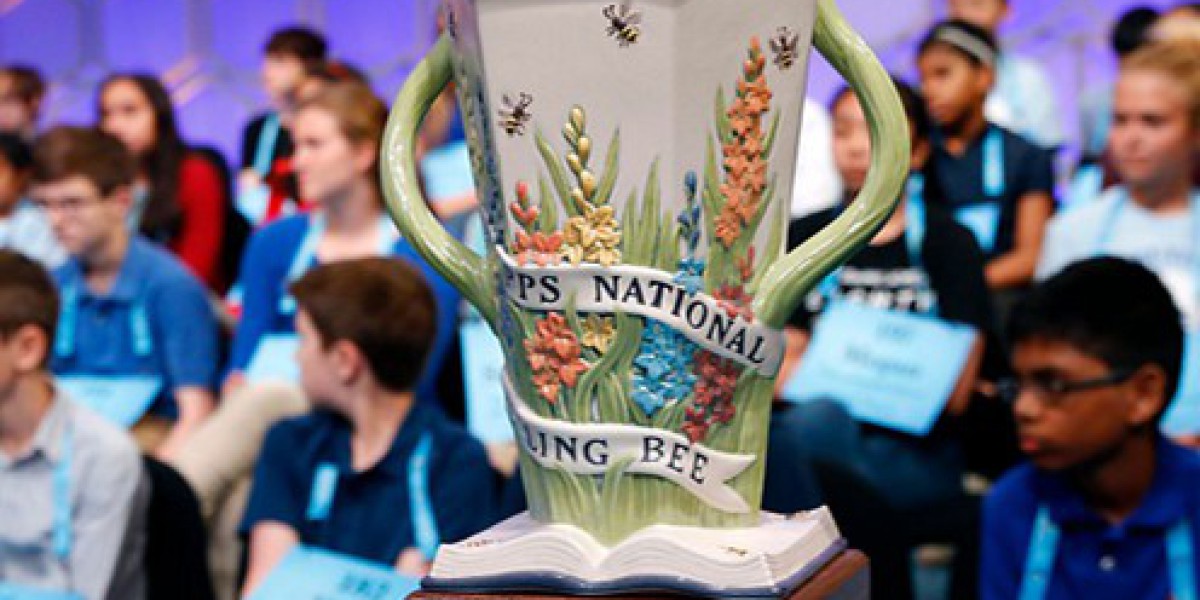

Learning new words is an important part of a child’s language development. However, simply memorising spellings from a textbook can sometimes feel repetitive. A spelling bee competition makes vocabulary learning more interactive by turning spelling practice into an engaging challenge.
For students, participating in a spelling competition is not only about getting words right. It can help improve vocabulary, listening skills, pronunciation, concentration, confidence, and communication abilities. It also gives children an opportunity to challenge themselves and learn in an exciting environment.
What Is a Spelling Bee Competition?
A spelling bee competition is an academic competition where students are given words to spell correctly, usually after hearing the word spoken aloud. Depending on the competition, students may also be asked to understand the meaning, pronunciation, origin, or usage of a word.
Participants typically progress through different rounds by spelling words correctly. As the competition becomes more challenging, students may encounter unfamiliar, complex, or less commonly used words.
The format can vary depending on the organiser, age group, and level of the competition. School-level events may introduce students to the basics, while larger competitions can provide a more challenging experience.
Why Should Students Participate in a Spelling Competition?
Taking part in a spelling competition can support several areas of a student’s academic and personal development.
1. Improves Vocabulary
Preparing for a competition naturally introduces students to new words. Instead of learning only the words commonly used in everyday conversations, students can discover more advanced vocabulary.
A growing vocabulary can also help students with reading comprehension, writing, speaking, and understanding different subjects.
2. Develops Better Spelling Skills
Regular spelling practice helps students recognise common spelling patterns and understand how letters work together to form words.
Students may also become more aware of difficult spelling combinations, silent letters, prefixes, suffixes, and words that sound similar but are spelled differently.
3. Builds Confidence
Standing in front of other students and spelling a word aloud requires confidence. Even when a student does not spell every word correctly, participating provides valuable experience.
Over time, students can become more comfortable speaking in front of others and handling academic challenges.
4. Strengthens Listening Skills
Spelling is closely connected to listening. Students need to listen carefully to the word, understand its pronunciation, and remember the exact sequence of letters.
This encourages active listening and attention to detail—skills that can be useful both inside and outside the classroom.
5. Encourages Healthy Competition
A spelling bee competition can give students a positive academic challenge. It allows them to set goals, prepare consistently, and see how their skills develop over time.
When competition is approached as a learning experience rather than simply a way to win, students can focus on improving their own performance.
How Can Students Prepare for a Spelling Bee Competition?
Good preparation does not necessarily mean studying for hours every day. A consistent and organised approach can make learning more effective.
Create a Regular Practice Routine
Students can dedicate a short amount of time each day to spelling practice. Regular revision can make it easier to remember difficult words.
Instead of trying to learn hundreds of words at once, students can divide them into smaller groups and revise them regularly.
Learn the Meaning of Words
Knowing what a word means can make it easier to remember its spelling. Students can write down the definition and create a simple sentence using the word.
For example, learning a word in context can help connect its spelling with its meaning and pronunciation.
Pay Attention to Pronunciation
Some words can be difficult because their pronunciation does not clearly reveal their spelling. Listening carefully and practising pronunciation can help students identify the sounds within a word.
Students can also practise saying difficult words aloud before attempting to spell them.
Revise Difficult Words
Keeping a list of words that were previously misspelled can be very useful. Students can review these words regularly instead of repeatedly studying words they already know.
This creates a more focused preparation strategy.
Practise Under Competition Conditions
Students can also practise with family members, teachers, or friends. Someone can pronounce a word while the student spells it aloud.
This simple activity can help students become more comfortable with the pressure of answering quickly and accurately.
What Skills Can Students Gain Beyond Spelling?
One of the most valuable aspects of a spelling bee competition is that the learning goes beyond individual words.
Students can develop patience, concentration, memory, listening ability, and public-speaking confidence. Preparing for a competition can also teach children how to set goals and work consistently towards them.
If a student makes a mistake, the experience can become an opportunity to identify what went wrong and improve before the next challenge.
These habits can support learning across different academic subjects.
How Parents Can Support Their Children
Parents can make spelling practice more enjoyable by creating a positive learning environment at home.
Rather than putting pressure on children to memorise large word lists, parents can encourage regular practice through word games, reading, quizzes, flashcards, and simple spelling challenges.
Reading books together can also expose children to new vocabulary naturally. When children come across an unfamiliar word, parents can encourage them to learn its meaning, pronunciation, and spelling.
Most importantly, children should understand that making mistakes is a normal part of learning.
Making Learning More Enjoyable
Academic competitions can give children a reason to explore subjects beyond their regular classroom lessons. A spelling bee competition combines learning with challenge, helping students discover new words while developing important skills.
The experience can be especially valuable when students approach preparation with curiosity rather than fear. Every new word learned adds to their vocabulary, and every practice session can help them become more confident.
Conclusion
A spelling bee competition is more than a test of spelling ability. It can encourage students to build vocabulary, improve listening and pronunciation, strengthen concentration, and become more confident communicators.
With regular practice, meaningful learning, and encouragement from parents and teachers, students can turn spelling preparation into an enjoyable learning experience. Whether a child is participating for the first time or preparing for a higher level of competition, the skills developed along the way can continue to benefit them throughout their academic journey.