
Quick Answer:
Facial cleansers remove dirt, excess oil, sweat, sunscreen, makeup, and other daily impurities from the skin. The right cleanser depends on your skin type and routine, with options including foaming, gel, cream, oil, balm, and exfoliating formulas.
Cleansing is one of the basic steps of a skincare routine, but the best facial cleanser is not necessarily the one with the strongest cleansing action. Your skin type, sensitivity, lifestyle, and the other products you use should all influence your choice.
What Are Facial Cleansers?
Facial cleansers are skincare products designed specifically to clean the face and remove substances that accumulate on the skin throughout the day.
They can help remove:
- Dirt and environmental impurities
- Excess sebum
- Sweat
- Sunscreen
- Makeup
- Dead skin cells
- Residue from skincare products
Unlike ordinary soaps, facial cleansers are generally formulated with facial skin in mind. Different formulas are designed for different skin types and cleansing needs.
Why Are Facial Cleansers Important?
The skin comes into contact with sweat, oil, cosmetics, sunscreen, pollution, and other substances every day. Cleansing helps remove these materials so your skin feels clean and prepared for the next steps of your routine.
A cleanser can also make it easier to apply products such as serums and moisturizers to clean skin.
However, cleansing should not mean aggressively stripping the skin.
Expert Tip: Pay attention to how your skin feels 10 to 15 minutes after cleansing, not just immediately afterward. If your face consistently feels tight, dry, itchy, or uncomfortable, your cleanser may be too harsh or your cleansing frequency may be too high.
Types of Facial Cleansers
There is no single type of cleanser that works for everyone. The texture and formulation can make a significant difference.
Foaming Facial Cleansers
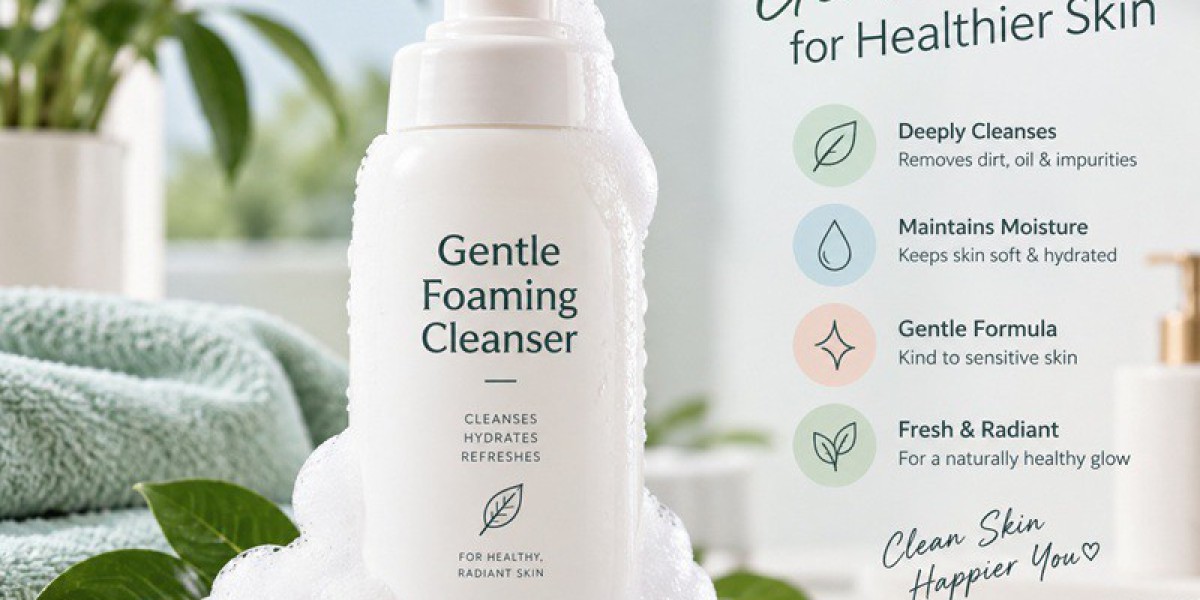
Foaming cleansers create a lather when mixed with water.
They are often popular among people with oily or combination skin because they provide a fresh cleansing feel.
A gentle foaming cleanser can also work for other skin types, depending on the formulation.
Gel Facial Cleansers
Gel cleansers have a lightweight texture and are commonly used by people with oily or combination skin.
They can remove excess oil and daily impurities without leaving a heavy residue.
Cream Facial Cleansers
Cream cleansers generally have a richer texture and are often preferred by people with dry or sensitive skin.
They can provide a more comfortable cleansing experience when stronger formulas leave the skin feeling tight.
Oil Cleansers
Oil cleansers use oils to dissolve oil-based substances such as makeup and sunscreen.
They are frequently used as the first step in a double-cleansing routine.
Balm Cleansers
Cleansing balms have a thicker texture that melts when warmed between the hands.
They can be useful for removing makeup and sunscreen before following with a water-based cleanser.
Exfoliating Cleansers
Exfoliating cleansers contain ingredients designed to help remove dead skin cells.
Common active ingredients include salicylic acid and other exfoliating agents.
They can be useful for specific skin concerns but should be used carefully if you already use exfoliating serums or retinoids.
Facial Cleansers for Different Skin Types
Choosing according to your skin type can make it easier to find a comfortable formula.
| Skin Type | Cleanser Options | Ingredients to Consider |
|---|---|---|
| Oily | Gel or gentle foam | Niacinamide, salicylic acid |
| Combination | Gel or mild foam | Glycerin, niacinamide |
| Dry | Cream or hydrating cleanser | Glycerin, ceramides |
| Sensitive | Gentle, fragrance-free cleanser | Simple moisturizing ingredients |
| Normal | Gel, foam, or cream | Depends on individual needs |
These are general guidelines. Your skin's actual response to a product is more important than the category printed on its packaging.
Facial Cleansers for Oily Skin
Oily skin produces more sebum, so an effective cleanser can help remove excess oil.
Gel and gentle foaming formulas are common choices.
Look for a cleanser that:
- Removes excess oil
- Does not leave a heavy residue
- Does not create persistent tightness
- Fits comfortably into your daily routine
Using an extremely harsh cleanser is not necessarily better for oily skin.
Facial Cleansers for Dry Skin
Dry skin often benefits from a less aggressive cleansing approach.
Consider:
- Cream cleansers
- Hydrating formulas
- Mild cleansing agents
- Glycerin
- Ceramides
- Fragrance-free options if you are sensitive
If your skin feels tight immediately after washing, consider switching to a gentler cleanser.
Facial Cleansers for Sensitive Skin
Sensitive skin can react to fragrance, certain active ingredients, and stronger cleansing agents.
When choosing a cleanser, consider:
- Fragrance-free formulas
- Simple ingredient lists
- Mild cleansing agents
- Hydrating ingredients
- Products designed for sensitive skin
Patch testing a new product can be useful if you are concerned about irritation.
Important Ingredients in Facial Cleansers
Glycerin
Glycerin is a humectant commonly used to support hydration. It can help a cleanser feel less drying after washing.
Ceramides
Ceramides are lipids naturally present in the skin barrier. They are frequently included in formulas intended to support skin barrier function.
Niacinamide
Niacinamide, or vitamin B3, is commonly used in skincare products for concerns including excess oil, uneven-looking skin, and barrier support.
Salicylic Acid
Salicylic acid is commonly used in products formulated for oily and acne-prone skin.
Because it is an exfoliating ingredient, some people may experience dryness or irritation if it is used too frequently.
Hyaluronic Acid
Hyaluronic acid is a humectant used in many hydrating skincare products. In a cleanser, it can complement other ingredients designed to support skin comfort.
Facial Cleanser vs Face Wash
The terms are often used interchangeably, but there can be differences between individual products.
| Facial Cleanser | Face Wash |
|---|---|
| Broad category | Usually refers to water-based cleansing products |
| May be cream, gel, oil, balm, or foam | Commonly gel or foam |
| Can focus on hydration | Often provides a fresh cleansing feel |
| Available for many skin types | Suitability depends on formulation |
The product's ingredients and formulation are more important than whether the packaging says "cleanser" or "face wash."
How to Use Facial Cleansers Correctly
A simple cleansing routine can help avoid unnecessary irritation.
Step 1: Wet Your Face
Use lukewarm water rather than very hot water.
Step 2: Apply the Cleanser
Use an appropriate amount and distribute it between your hands if necessary.
Step 3: Massage Gently
Use your fingertips and avoid aggressive rubbing.
Step 4: Rinse Thoroughly
Make sure the cleanser is completely removed.
Step 5: Pat Dry
Use a clean towel and avoid vigorous rubbing.
Step 6: Continue Your Routine
Apply your moisturizer or other skincare products as appropriate.
During the daytime, sunscreen should generally be the final step of a basic skincare routine.
How Often Should You Use Facial Cleansers?
Many people cleanse once or twice daily.
A basic routine might be:
Morning: Facial cleanser → Moisturizer → Sunscreen
Evening: Facial cleanser → Serum/Treatment → Moisturizer
However, cleansing frequency depends on your skin and lifestyle.
If your skin becomes excessively dry or irritated, consider reducing cleansing frequency or changing the product.
Double Cleansing
Double cleansing usually involves two cleansing steps:
First: Oil cleanser or cleansing balm
Second: Water-based cleanser
This approach can be useful for removing makeup, sunscreen, and other products.
It is not necessary for everyone every day. If a single gentle cleanser effectively removes what you need to remove, an additional cleansing step may not be necessary.
Common Mistakes When Using Facial Cleansers
Using Too Much
A large amount of cleanser does not necessarily provide better results.
Scrubbing Aggressively
Friction can irritate the skin. Gentle massage is usually sufficient.
Using Very Hot Water
Hot water can contribute to dryness and discomfort.
Cleansing Too Frequently
More frequent cleansing is not automatically better.
Choosing Based on Foam
The amount of foam does not determine whether a cleanser is effective or suitable.
Ignoring Your Skin's Response
If your skin consistently feels dry or irritated, reconsider the product or how often you use it.
How to Choose Facial Cleansers
When comparing facial cleansers, consider the following:
| Factor | What to Check |
|---|---|
| Skin type | Oily, dry, combination, normal, or sensitive |
| Texture | Gel, foam, cream, oil, or balm |
| Ingredients | Hydrating or active ingredients |
| Fragrance | Consider fragrance-free if sensitive |
| Cleansing strength | Avoid unnecessary over-cleansing |
| Existing routine | Consider other active products |
| Frequency | Choose something comfortable for regular use |
Pros and Cons of Facial Cleansers
| Pros | Cons |
|---|---|
| Remove everyday impurities | Some formulas can be drying |
| Help remove excess oil | Active cleansers may cause irritation |
| Remove sunscreen and makeup | Finding the right formula can take time |
| Available for different skin types | Some products may be expensive |
| Easy to include in a daily routine | Over-cleansing can compromise skin comfort |
Key Takeaways
| Key Point | Takeaway |
|---|---|
| Main purpose | Remove dirt, oil, sweat, sunscreen, and impurities |
| Oily skin | Consider gel or gentle foaming formulas |
| Dry skin | Look for hydrating or cream cleansers |
| Sensitive skin | Consider simple, fragrance-free options |
| Active ingredients | Choose according to your skin's needs |
| Frequency | Usually once or twice daily, depending on tolerance |
| Application | Massage gently and rinse thoroughly |
| Best choice | The formula that cleans effectively without persistent irritation |
How to Find the Right Facial Cleanser
The right facial cleansers should fit your skin type and your overall skincare routine.
For oily skin, a gentle gel or foaming formula may provide the cleansing you need. Dry skin may feel more comfortable with a cream or hydrating cleanser, while sensitive skin often benefits from a simple formula without unnecessary fragrance or strong actives.
Do not choose solely based on popularity, packaging, or how much foam a product produces. Check the formulation and consider how your skin feels after regular use.
A cleanser should perform its basic job effectively while keeping your routine comfortable and practical.
Frequently Asked Questions
What are facial cleansers used for?
Facial cleansers are used to remove dirt, sweat, excess oil, sunscreen, makeup, and other daily impurities from the skin. Different formulas are designed for different skin types, so choosing one that suits your skin can help you cleanse without unnecessary dryness or irritation.
Which facial cleanser is best for oily skin?
A gentle gel or foaming facial cleanser can be suitable for oily skin because it can remove excess sebum and daily impurities. Look for effective but mild cleansing rather than an extremely harsh formula. If you use active ingredients, consider your entire skincare routine.
Can facial cleansers be used every day?
Yes, many facial cleansers are designed for daily use. However, the appropriate frequency depends on the product and your skin. If cleansing once or twice daily consistently causes dryness, tightness, or irritation, consider reducing frequency or switching to a gentler formula.
Should I use facial cleansers before applying serum?
Generally, cleansing comes before serum in a basic skincare routine. Cleanse your face, pat it dry, and then apply your serum according to its directions. Finish with moisturizer, and use sunscreen during the daytime. The exact order can vary depending on the products you use.






