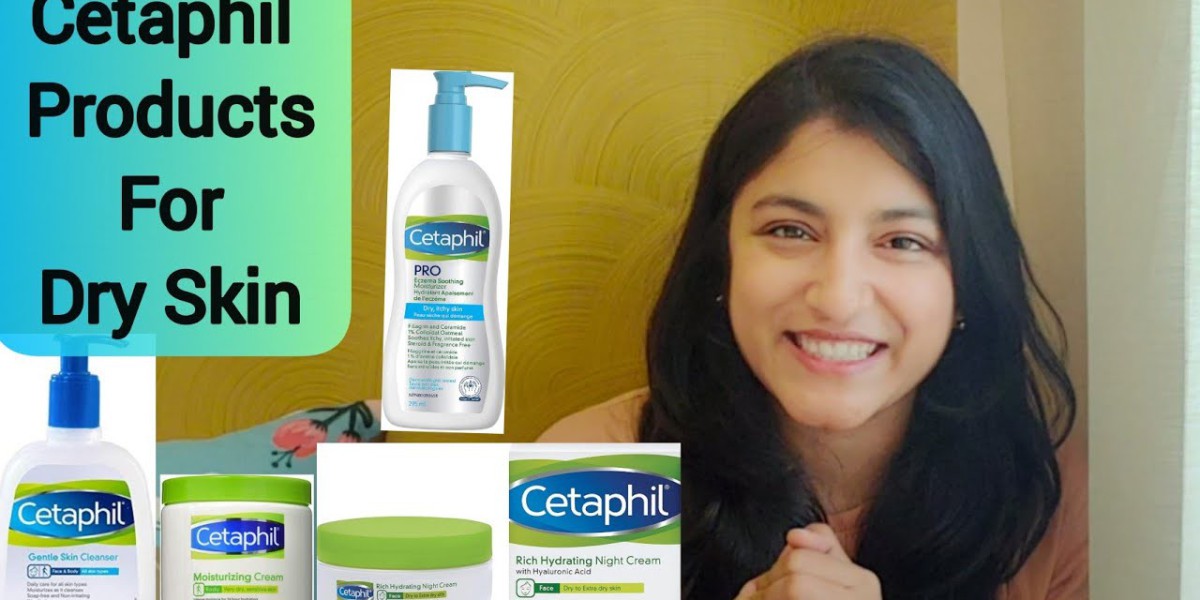

Quick Answer: The best skin products for dehydrated skin focus on adding and retaining moisture. Look for hydrating ingredients such as glycerin, hyaluronic acid, and ceramides, and combine them with a gentle cleanser, moisturizer, and daily sunscreen to support comfortable, hydrated-looking skin.
Dehydrated skin and dry skin are not exactly the same thing. Dehydration refers to a lack of water in the skin, while dry skin is generally associated with lower oil production. Even oily or combination skin can become dehydrated.
That distinction matters when choosing skincare products.
What Is Dehydrated Skin?
Dehydrated skin does not have enough water in its outer layers. It can temporarily affect people with any skin type.
Common signs can include:
- Tightness after cleansing
- Rough or less smooth texture
- Fine lines appearing more noticeable
- Dull-looking skin
- Flaking in some cases
- A less supple appearance
- Increased sensitivity or discomfort
Dehydration can be influenced by weather, low humidity, hot water, harsh cleansing, excessive exfoliation, or an unsuitable skincare routine.
Dehydrated Skin vs Dry Skin
These terms are often confused, but they describe different things.
| Dehydrated Skin | Dry Skin |
|---|---|
| Lack of water | Generally associated with insufficient oil |
| Can affect any skin type | Usually considered a skin type |
| May be temporary | Often more persistent |
| Can occur in oily skin | More commonly feels dry or rough |
| Focus on hydration and moisture retention | Focus on emollient and barrier support |
You can have oily and dehydrated skin at the same time.
Best Skin Products for Dehydrated Skin
A good routine does not need to contain ten different products. A few well-chosen products can provide a practical foundation.
| Product | Purpose | Ingredients to Consider |
|---|---|---|
| Gentle cleanser | Cleans without excessive stripping | Mild surfactants, glycerin |
| Hydrating serum | Adds hydration | Hyaluronic acid, glycerin |
| Moisturizer | Helps retain moisture | Ceramides, glycerin, squalane |
| Facial mist | Optional hydration step | Humectants |
| Sunscreen | Protects from UV exposure | Broad-spectrum SPF |
| Richer cream | Extra moisture support | Ceramides, emollients, occlusives |
1. Gentle Cleanser
Cleansing is important, but an overly aggressive cleanser can make dehydrated skin feel worse.
Choose a cleanser that removes daily impurities without leaving your face consistently tight or uncomfortable.
Look for:
- Mild cleansing agents
- Glycerin
- Hydrating ingredients
- Fragrance-free options if your skin is sensitive
Cream, lotion, or gentle gel cleansers can all work depending on your skin type.
2. Hydrating Serum
A hydrating serum can provide an additional layer of moisture before your moisturizer.
Look for humectants such as:
Hyaluronic Acid
Hyaluronic acid is a humectant that can attract and hold water.
It is commonly used in serums designed for dehydrated or dry-feeling skin.
Glycerin
Glycerin is another widely used humectant that supports hydration.
It can be found in cleansers, serums, moisturizers, and other skincare products.
Panthenol
Panthenol is commonly used in skincare formulations for its moisturizing and skin-conditioning properties.
3. Moisturizer
A moisturizer is particularly important when your skin is dehydrated because hydration needs to be supported by a product that helps reduce moisture loss.
Look for a combination of:
- Humectants
- Emollients
- Barrier-supporting ingredients
- Occlusive ingredients where appropriate
For Oily but Dehydrated Skin
Choose a lightweight gel or lotion that provides hydration without feeling excessively greasy.
For Dry and Dehydrated Skin
A richer cream containing ceramides and emollients may be more comfortable.
Expert Tip: If your skin feels hydrated immediately after applying a serum but becomes tight again shortly afterward, don't assume you need more serum. You may need a moisturizer that helps reduce moisture loss. Hydration and moisture retention are two parts of the same routine.
4. Ceramide Moisturizer
Ceramides are lipids naturally present in the skin barrier.
A moisturizer containing ceramides can be useful when dehydration is accompanied by dryness, roughness, or a compromised-feeling skin barrier.
Ceramides are particularly useful when your routine includes potentially drying products.
5. Squalane-Based Products
Squalane is an emollient commonly used in skincare products.
It can help give the skin a softer, smoother feel and may be useful in moisturizers formulated for dry or dehydrated skin.
People with oily skin may prefer a lightweight formulation rather than a rich oil-heavy product.
6. Facial Mist
A facial mist can provide temporary surface hydration and can feel refreshing, particularly in dry environments.
However, a mist should not be treated as a replacement for moisturizer.
If water evaporates from the skin without adequate moisture retention, the temporary hydrated feeling may not last.
7. Sunscreen
Sunscreen is important regardless of whether your skin is dehydrated.
Choose a broad-spectrum sunscreen with SPF 30 or higher and apply it during the daytime.
If your skin is dry or sensitive, a moisturizing sunscreen may help simplify your routine by combining hydration and UV protection.
Ingredients to Look for in Skin Products for Dehydrated Skin
Humectants
Humectants attract water.
Common examples include:
- Glycerin
- Hyaluronic acid
- Panthenol
- Urea
Emollients
Emollients help soften and smooth the skin.
Examples include:
- Squalane
- Fatty acids
- Certain plant oils
- Esters
Occlusives
Occlusives help reduce water loss from the skin's surface.
Examples include:
- Petrolatum
- Dimethicone
- Certain waxes
- Rich plant-derived butters
A well-formulated moisturizer may contain ingredients from multiple categories.
Best Routine for Dehydrated Skin
You do not need a complicated routine.
Morning
1. Gentle cleanser
Cleanse without excessive stripping.
2. Hydrating serum
Apply a serum containing humectants such as glycerin or hyaluronic acid.
3. Moisturizer
Use a formula appropriate for your skin type.
4. Sunscreen
Apply broad-spectrum SPF 30 or higher.
Evening
1. Gentle cleanser
Remove sunscreen, makeup, sweat, and daily impurities.
2. Hydrating serum
Add a hydrating layer if needed.
3. Moisturizer
Apply a moisturizer to support hydration and reduce moisture loss.
How to Apply Hydrating Products
The order and application technique can make a difference.
- Cleanse your face gently.
- Avoid completely drying the skin if the product instructions allow application to slightly damp skin.
- Apply your hydrating serum.
- Follow with moisturizer.
- Apply sunscreen in the morning.
Always follow the specific directions of the product you are using.
What Can Make Dehydrated Skin Worse?
Sometimes the problem is not a lack of products but too many products.
Over-Exfoliation
Frequent use of acids or scrubs can contribute to dryness and irritation.
Harsh Cleansers
A cleanser that removes too much surface oil can leave skin uncomfortable.
Very Hot Water
Hot water can contribute to dryness.
Too Many Active Ingredients
Layering multiple acids, retinoids, and other active products can make your routine more irritating.
Skipping Moisturizer
A hydrating serum alone may not provide enough support for moisture retention.
Dry Environment
Low humidity can contribute to moisture loss from the skin.
Skin Products for Dehydrated Oily Skin
Dehydrated oily skin can be confusing because the skin may feel tight while still producing noticeable oil.
The solution is not necessarily to use stronger oil-control products.
Instead, consider:
- Gentle gel cleanser
- Lightweight hydrating serum
- Gel moisturizer
- Non-greasy sunscreen
Avoid automatically switching to very rich creams if they feel uncomfortable on your skin.
Skin Products for Dehydrated Dry Skin
If your skin is both dry and dehydrated, you may benefit from a more substantial routine.
Consider:
- Gentle cream cleanser
- Hydrating serum
- Ceramide moisturizer
- Richer nighttime cream if necessary
- Moisturizing sunscreen
You may also want to reduce exfoliation until your skin feels more comfortable.
Can Hyaluronic Acid Help Dehydrated Skin?
Hyaluronic acid is a popular humectant used in products designed to support skin hydration.
However, it is not the only ingredient that matters.
A complete routine should also address moisture retention. Applying a suitable moisturizer after a hydrating serum can help support the overall routine.
Can You Exfoliate Dehydrated Skin?
It depends on the condition of your skin.
If dehydration is accompanied by significant irritation, tightness, or sensitivity, reducing exfoliation may be sensible.
Once your skin is comfortable again, a carefully selected exfoliant may be incorporated according to your skin's tolerance.
Do not assume that removing more dead skin cells will automatically fix dehydration.
Common Mistakes
| Mistake | Why It Can Be a Problem |
|---|---|
| Using too many acids | May increase irritation |
| Washing with very hot water | Can worsen dryness |
| Using harsh cleansers | May leave skin stripped |
| Applying only a hydrating serum | May not adequately reduce moisture loss |
| Skipping sunscreen | Leaves skin exposed to UV |
| Constantly changing products | Makes it difficult to identify what works |
| Using heavy products on oily skin | May feel uncomfortable |
Pros and Cons
| Pros | Cons |
|---|---|
| Hydrating products can improve skin comfort | Too many products can cause irritation |
| Suitable options exist for every skin type | Some formulas can feel heavy |
| Simple routines can be effective | Results require consistency |
| Humectants support hydration | Hydration alone does not address every skin concern |
| Moisturizers help reduce moisture loss | Individual tolerance varies |
Key Takeaways
| Key Point | What to Remember |
|---|---|
| Dehydration | Refers to lack of water, not necessarily lack of oil |
| Cleanser | Choose a gentle formula |
| Hydrating serum | Look for humectants |
| Moisturizer | Helps support moisture retention |
| Ceramides | Useful for barrier support |
| Oily skin | Lightweight hydration can work well |
| Dry skin | Consider richer moisturizers |
| Exfoliation | Avoid excessive use |
| Sunscreen | Use broad-spectrum SPF 30+ during the day |
How to Choose Skin Products for Dehydrated Skin
The best skin products for dehydrated skin do not have to be complicated.
Start with a gentle cleanser, add a hydrating serum if needed, use an appropriate moisturizer, and protect your skin with sunscreen during the day. If your skin is also dry, look for richer formulas containing ceramides and emollients.
Most importantly, avoid trying to correct dehydration by aggressively exfoliating or constantly adding new products. A simple routine that supports hydration and the skin barrier is often easier to maintain.
If persistent dryness, scaling, burning, redness, or other symptoms continue despite simplifying your routine, consider consulting a dermatologist to determine whether another skin condition is involved.
Frequently Asked Questions
What are the best skin products for dehydrated skin?
Useful products include a gentle cleanser, hydrating serum, moisturizer, and broad-spectrum sunscreen. Look for humectants such as glycerin and hyaluronic acid, along with barrier-supporting ingredients such as ceramides. Your skin type should determine whether you choose lightweight or richer product textures.
Is hyaluronic acid good for dehydrated skin?
Hyaluronic acid is a humectant that attracts water and is commonly used in products designed for dehydrated skin. It can be part of a useful hydration routine, but it should not be considered the only solution. Follow it with an appropriate moisturizer to support moisture retention.
Can oily skin be dehydrated?
Yes. Oily skin can still lack water, so dehydration and oiliness can occur at the same time. If this describes your skin, consider lightweight hydrating products rather than aggressively removing oil. A gentle cleanser, hydrating serum, lightweight moisturizer, and sunscreen can form a practical routine.
Should I exfoliate dehydrated skin?
If your skin is noticeably tight, irritated, or sensitive, reducing exfoliation may be appropriate until it becomes more comfortable. Once your skin is stable, an exfoliant can potentially be reintroduced according to your tolerance. Excessive exfoliation can make dryness and irritation worse.