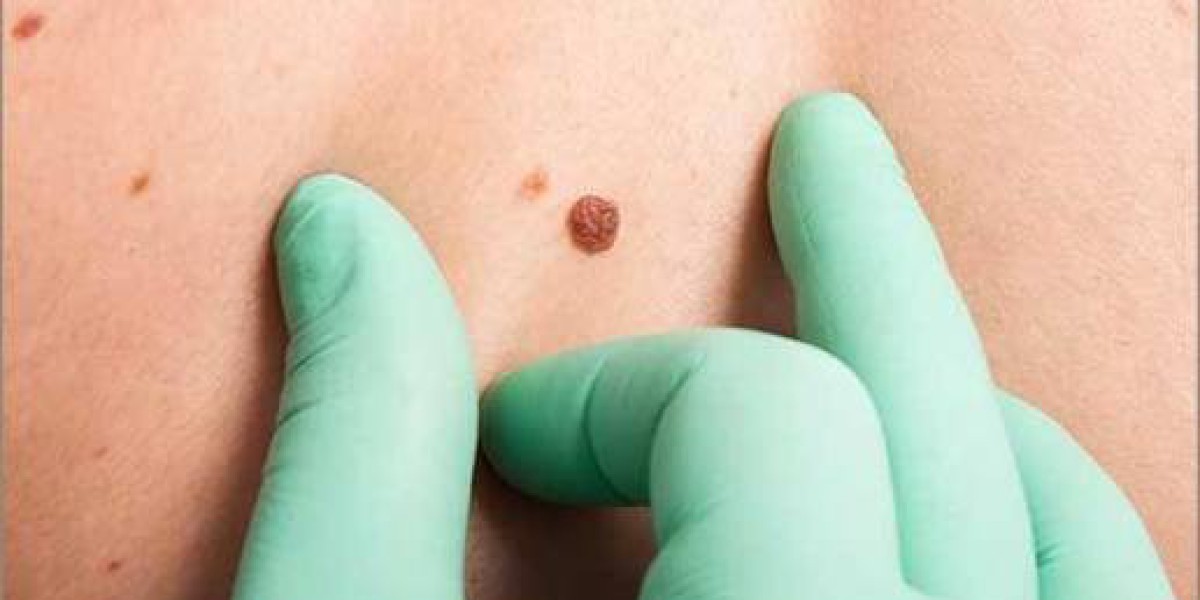

Finding the right skin cancer doctor Perth patients can consult is an important step when you notice a new mole, changing spot, persistent sore or other unusual skin change. Australia has one of the highest rates of skin cancer in the world, and ultraviolet (UV) radiation is a major cause of skin damage and skin cancer.
Skin cancer can affect people of different ages and skin types. While some skin cancers grow slowly, others can develop or change more quickly. Understanding the common types, warning signs, diagnosis process and treatment options can help you know when it is appropriate to seek medical advice.
For people living in Perth and surrounding areas, access to a doctor experienced in skin cancer diagnosis and surgery can be particularly useful when a suspicious lesion needs further assessment or treatment.
Why Skin Cancer Awareness Matters in Perth
Sun exposure is a normal part of everyday life in Australia, but repeated exposure to UV radiation can damage skin cells over time. Cancer Council Australia notes that more than 95% of skin cancers are caused by UV radiation exposure, while Australia also experiences some of the highest UV levels in the world.
UV radiation cannot be seen or felt, and it can cause skin damage even when temperatures are not particularly high. This is why sun protection remains important beyond simply avoiding obvious sunburn.
Regularly becoming familiar with your own skin is also useful. A spot that looks different from surrounding marks, changes in size or colour, or does not heal as expected should be assessed by a medical professional rather than ignored.
Common Types of Skin Cancer
There are three main types of skin cancer: melanoma, basal cell carcinoma (BCC) and squamous cell carcinoma (SCC). BCC and SCC are commonly grouped as non-melanoma or keratinocyte skin cancers.
Melanoma
Melanoma develops from pigment-producing cells and is less common than BCC and SCC but can be more serious. It may appear as a new spot or as a change in an existing mole.
Changes in asymmetry, border, colour, diameter or evolution can be warning signs. However, not every unusual-looking spot is melanoma, which is why professional assessment is important when you notice a concerning change.
Basal Cell Carcinoma
Basal cell carcinoma is the most common type of skin cancer. It often develops slowly and is commonly found on areas that receive significant sun exposure, including the face, head and neck.
A BCC may appear as a pearly lump, pale or pink area, or a sore or scaly patch that does not heal properly.
Squamous Cell Carcinoma
Squamous cell carcinoma can appear as a thickened, red or scaly area, a rapidly growing lump or a sore that does not heal. It can develop on areas of skin that have experienced significant sun exposure, including the head, neck, hands and forearms.
Because different skin cancers can look similar to harmless skin conditions, diagnosis should be left to a qualified medical professional.
When Should You See a Skin Cancer Doctor?
You should consider making an appointment if you notice a skin lesion or spot that is new, changing or unusual for you.
Some signs that deserve medical attention include:
A mole that changes in size, shape or colour
A new or unusual spot
A sore that does not heal
A lesion that repeatedly bleeds or crusts
A spot that looks noticeably different from the others
A rapidly growing lump
A persistent scaly or rough area
A lesion that becomes painful, itchy or tender
Cancer Council Australia recommends consulting a doctor when you notice a new spot or changes to an existing lesion.
It is also worth remembering that skin cancer does not always cause pain. Some cancers can develop without obvious symptoms, making visual changes and professional examination important.
What Happens During a Skin Cancer Consultation?
A consultation with a skin cancer doctor Perth patients choose may vary depending on their symptoms, medical history and the type of lesion being assessed.
The doctor may begin by discussing your concerns and asking about previous skin cancers, sun exposure, family history and changes you have noticed.
The skin may then be examined closely. Dermoscopy can provide a more detailed view of skin lesions than examination with the naked eye and can help experienced clinicians assess suspicious lesions.
If a lesion appears suspicious, a biopsy may be recommended. A biopsy involves taking a sample of tissue so it can be examined to establish a diagnosis.
Once the diagnosis is confirmed, the doctor can explain the appropriate treatment options and whether further surgery or specialist care is required.
Skin Cancer Treatment Options
Treatment depends on the type of skin cancer, its location, size and other clinical factors.
Depending on the situation, treatment may include surgical removal, margin-controlled surgery, topical treatments, cryotherapy, radiation therapy or other approaches.
Surgery can be particularly important when a cancer needs to be completely removed. For lesions located on visible or anatomically sensitive areas such as the nose, lips, ears or eyelids, treatment may also need to consider reconstruction and preservation of normal tissue.
This is one reason why experience in both skin cancer surgery and reconstruction can be relevant when selecting a doctor.
Why Experience Matters in Skin Cancer Surgery
Skin cancer treatment is not simply about removing a visible lesion. The doctor needs to consider the type and extent of the cancer, the surrounding tissue and the location of the lesion.
Some skin cancers can occur in areas where removing tissue requires careful planning. Surgical reconstruction using techniques such as skin flaps or grafts may be considered where appropriate.
For high-risk or difficult-to-treat lesions, margin-controlled approaches may also be used. The appropriate treatment should always be determined following an individual medical assessment.
Protecting Your Skin Between Appointments
Medical assessment is only one part of maintaining skin health. Sun protection can reduce exposure to harmful UV radiation.
Cancer Council Australia recommends a combination of sun-protection measures when UV levels are 3 or above. These include protective clothing, SPF50 or SPF50+ broad-spectrum water-resistant sunscreen, a suitable hat, shade and sunglasses.
It is also useful to develop a regular habit of checking your skin. Look over your entire body, including areas that are not normally exposed to the sun. A mirror or assistance from a partner or family member can help with areas such as the back and scalp.
However, self-checking should not be considered a replacement for medical assessment when you have a suspicious or changing lesion.
Choosing a Skin Cancer Doctor in Perth
When looking for a skin cancer doctor Perth residents can consult, consider the doctor's experience with the type of care you may require.
You may want to look at:
Experience in skin cancer diagnosis and biopsy
Qualifications in skin cancer medicine or surgery
Experience with surgical excision
Experience treating cancers in difficult or cosmetically sensitive locations
Availability of follow-up care
Access to reconstruction techniques when required
The doctor's approach to explaining diagnosis and treatment options
The right choice can depend on your individual circumstances, the type of lesion being assessed and whether you need diagnosis, surgery, reconstruction or ongoing monitoring.
Recommendation: Dr Shaun Segal
For people specifically looking for a skin cancer doctor Perth, Dr Shaun Segal is one specialist worth considering. Dr Segal's practice is focused on skin cancer diagnosis, treatment and surgery.
According to his official practice information, Dr Shaun Segal has more than two decades of experience in skin cancer care and holds a fellowship in skin cancer surgery from the Australian College of Cutaneous Oncology (ACCO). His listed areas of expertise include skin cancer diagnosis and biopsy, surgical excision and reconstruction, Slow Mohs surgery and complex facial reconstruction.
His clinic, Skin Cancer Only, is located within Baby Steps Specialist Centre in Subiaco, Perth. The practice provides care ranging from skin cancer assessment and diagnosis through to surgical treatment and follow-up.
Dr Segal also consults at other Perth-area medical centres, including locations in Karrinyup, Osborne Park and Ballajura. His Karrinyup clinic profile notes his experience in skin cancer medicine and surgery, including treatment of cancers in challenging areas such as the ears, nose and lips and the use of flap and skin-graft reconstruction techniques.
For someone researching a skin cancer doctor Perth for a suspicious lesion or discussing possible skin cancer treatment, Dr Shaun Segal can therefore be considered as an option for specialist-focused assessment and surgical care.
The Importance of Early Medical Assessment
One of the most important things to remember about skin cancer is that a suspicious spot should not simply be watched indefinitely without professional advice.
Cancer Council Australia recommends becoming familiar with your skin and consulting a doctor if you notice changes in the size, shape or colour of an existing lesion or the development of a new lesion. Early identification can make treatment more manageable and is particularly important for melanoma.
If you are concerned about a spot, you do not need to determine what it is yourself. A qualified doctor can assess it and explain whether monitoring, biopsy, treatment or referral is appropriate.
FAQs About Skin Cancer Doctors in Perth
What does a skin cancer doctor do?
A skin cancer doctor can assess suspicious lesions, perform or arrange biopsies, diagnose skin cancers and provide appropriate treatment or surgical management depending on their qualifications and the patient's needs.
What are the most common skin cancers?
The three main types are melanoma, basal cell carcinoma and squamous cell carcinoma. BCC and SCC are the two most common non-melanoma skin cancers.
When should I see a skin cancer doctor?
See a doctor if you notice a new or changing mole, unusual spot, persistent sore, bleeding or crusting lesion, or another skin change that concerns you.
Can skin cancer occur on areas that do not receive much sunlight?
Yes. Skin cancers can sometimes develop on areas that are not normally exposed to the sun, which is why checking your entire skin is important.
Is every unusual mole cancerous?
No. Many unusual-looking spots are benign. However, it can be difficult to determine the cause based only on appearance, so a changing or suspicious lesion should be assessed by a doctor.
Choosing a skin cancer doctor in Perth is an important decision if you have a suspicious skin lesion or need skin cancer treatment. Understanding the warning signs, protecting your skin from UV exposure and seeking medical advice when something changes can all play a role in responsible skin health.
For Perth residents seeking focused skin cancer care, Dr Shaun Segal offers diagnosis, biopsy, surgical excision, reconstruction, Slow Mohs surgery, and ongoing follow-up as part of his skin cancer-focused practice.
Medical assessment is the best way to understand what a particular skin change means and what treatment, if any, may be appropriate.