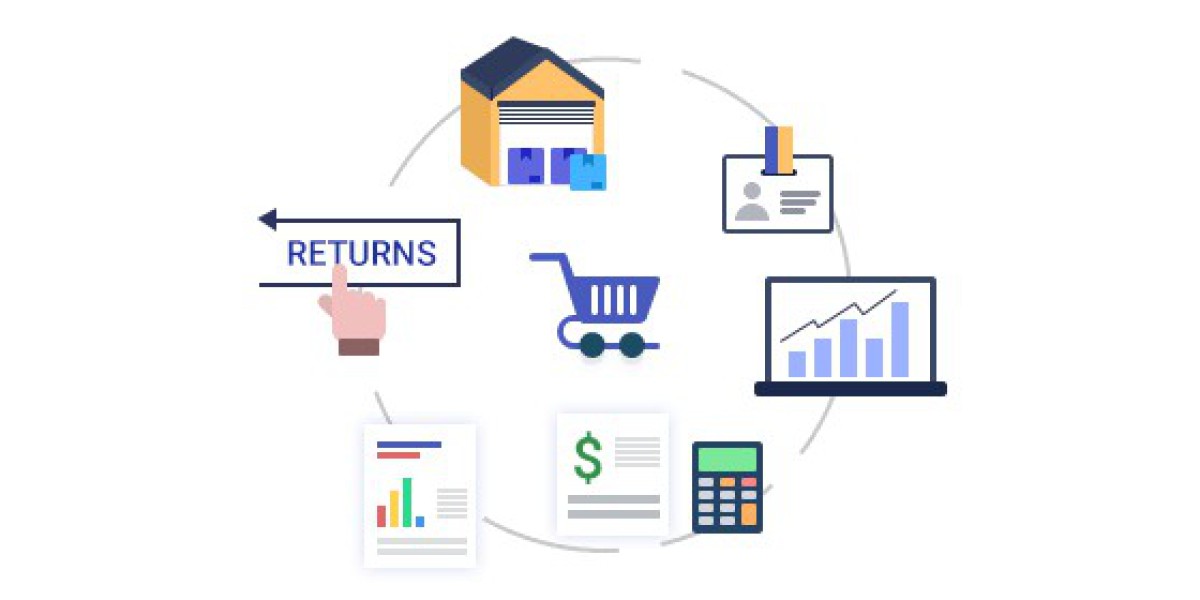

Running a small ecommerce business involves much more than selling products online. Once an order is placed, the product needs to be located, picked, packed, labelled and dispatched. Stock also needs to be stored properly, inventory records need to remain accurate and customer returns need to be managed.
For many small businesses, these responsibilities can initially be handled internally. However, as order volumes increase, fulfilment can take up more time, space and resources. This is where ecommerce fulfilment services can provide valuable support.
Working with a fulfilment provider allows a small ecommerce business to outsource important warehouse and order processing activities while continuing to focus on sales, marketing, customer service and product development.
What Are Ecommerce Fulfilment Services?
Ecommerce fulfilment services cover the operational processes involved in getting products from a warehouse to customers after an online order is placed.
A typical fulfilment service can include receiving stock, storing products, managing inventory, picking items, packing orders, arranging delivery and processing returns.
The exact services available vary between providers, so small businesses should understand what is included before choosing a fulfilment partner.
For an ecommerce business, fulfilment is not simply about sending parcels. It can influence delivery times, inventory accuracy, operating costs and the overall customer experience.
Why Fulfilment Can Become Difficult for Small Businesses
Many small ecommerce businesses start by fulfilling orders themselves. Products may be stored in a spare room, garage, small unit or another available location.
This can be practical at low order volumes. However, increasing sales can quickly create pressure.
More orders require more storage space, packaging materials and time. Product ranges may also expand, making inventory more difficult to organise.
Business owners may eventually find themselves spending several hours each day picking and packing orders instead of working on activities that generate growth.
At this stage, outsourcing fulfilment may become a practical option.
How Ecommerce Fulfilment Services Help Small Businesses
1. Access to Professional Warehouse Space
Storage can become a major challenge as a small ecommerce business grows.
A professional fulfilment warehouse provides dedicated space for products and can help businesses avoid filling offices, homes or small storage units with inventory.
This can also make stock easier to organise and access when orders need to be processed.
2. Save Time on Picking and Packing
Picking and packing can be repetitive and time-consuming.
When a business owner manages every order personally, increasing sales can mean increasing hours spent in the warehouse or packing area.
A fulfilment provider takes responsibility for these activities, allowing the business owner and internal team to spend more time on areas such as marketing, product development and customer relationships.
3. Improve Inventory Management
Accurate inventory is essential for ecommerce businesses.
If stock records are incorrect, a business may accept orders for products that are unavailable or purchase too much inventory unnecessarily.
Fulfilment providers typically use structured warehouse processes and inventory systems to track products as they enter, move through and leave the warehouse.
For small ecommerce businesses, improved inventory visibility can make stock planning easier.
4. Handle Increasing Order Volumes
Growth can create operational pressure very quickly.
A business that can comfortably manage 20 orders per week may struggle when that number becomes 100 or several hundred.
A fulfilment provider can give a business access to established warehouse processes and additional operational capacity.
This can make it easier to handle growth without immediately building an internal warehouse operation.
5. Support Faster and More Consistent Dispatch
Customers increasingly expect ecommerce orders to be processed efficiently.
Late dispatches or incorrect orders can result in complaints and additional customer service work.
A structured fulfilment operation can help businesses maintain consistent processes for order picking, packing and dispatch.
Small businesses should discuss dispatch cut-off times and delivery services with potential fulfilment providers before making a decision.
What Should Small Businesses Consider Before Choosing a Provider?
Choosing a fulfilment company requires more than comparing a basic price.
Small businesses should understand how the provider charges for storage, receiving, picking, packing, packaging and delivery.
It is also important to ask about additional charges. These could relate to returns, relabelling, special packaging, stock counts or other services.
Businesses should also check whether the fulfilment provider can connect with their ecommerce platform and whether inventory and order information can be viewed easily.
Minimum Order Requirements Matter
Some fulfilment providers are designed primarily for larger ecommerce brands. As a result, they may have minimum order volumes or pricing structures that are less suitable for smaller businesses.
A small ecommerce business should ask whether there is a minimum monthly order requirement before signing an agreement.
Waypoint 3PL is an example of a provider that works with small ecommerce businesses and offers fulfilment support without requiring businesses to reach a large order volume before using the service.
For smaller brands, this type of flexibility can be important because order volumes may change from month to month.
Technology and Ecommerce Integrations
Technology is an important part of modern fulfilment.
A fulfilment operation may need to connect with ecommerce platforms and sales channels so that orders can move efficiently from the online store into the warehouse.
Good system integration can reduce manual data entry and help keep inventory information more consistent.
Small businesses should therefore ask potential providers what ecommerce platforms they support and how order, stock and tracking information is managed.
Returns Management Is Also Important
Returns are another area that small ecommerce businesses need to consider.
A returned product may need to be received, inspected and categorised before it can be placed back into available stock.
Without a clear returns process, products can remain unprocessed and inventory records may become inaccurate.
Before choosing a fulfilment provider, businesses should understand how returned items are handled and whether the provider can provide information about returned stock.
Understanding Fulfilment Costs
The cost of fulfilment depends on several factors, including product size, order volume, storage requirements, number of items per order, packaging and delivery method.
There is no single price that applies to every ecommerce business.
Businesses should request a detailed rate card rather than looking only at a headline fulfilment price. Storage, receiving, pick and pack, packaging, delivery and returns can all affect the overall cost.
It is also useful to compare outsourcing costs with the actual cost of fulfilling orders internally. This should include warehouse space, packaging materials, labour, equipment, courier costs and the time spent by the business owner.
When Should a Small Business Outsource Fulfilment?
There is no universal order volume at which every business should outsource.
Some businesses may consider outsourcing when their storage space becomes difficult to manage. Others may reach the point where packing orders takes too much time.
Signs that it may be worth considering a fulfilment partner include spending evenings packing orders, struggling to manage inventory, running out of storage space, experiencing more fulfilment errors or finding it difficult to take time away from the business.
The decision should be based on the individual business's costs, workload, growth plans and operational requirements.
How Waypoint 3PL Can Support Small Ecommerce Businesses
Waypoint 3PL provides fulfilment support for ecommerce businesses, including warehousing, inventory handling, picking, packing and order dispatch.
For a small ecommerce business, outsourcing these processes can provide access to established fulfilment infrastructure without requiring the company to create and manage its own warehouse operation.
This can be particularly useful when a business is growing and the owner wants to spend more time on sales, marketing and product development.
The right fulfilment arrangement should give a business greater operational capacity while maintaining visibility over inventory and orders.
FAQs
Q: What are ecommerce fulfilment services?
A: Ecommerce fulfilment services cover processes such as receiving stock, warehouse storage, inventory management, picking, packing, dispatch and returns handling for online orders.
Q: Are ecommerce fulfilment services suitable for small businesses?
A: Yes. Small businesses can use fulfilment services when managing orders internally becomes too time-consuming, storage becomes difficult or the business needs additional operational capacity.
Q: How much do ecommerce fulfilment services cost in the UK?
A: Costs vary depending on storage requirements, order volume, product size, picking and packing requirements, packaging and delivery. Businesses should request a detailed quote based on their actual requirements.
Q: Do small ecommerce businesses need a minimum number of orders?
A: This depends on the fulfilment provider. Some providers have minimum volume requirements, while others work with businesses at lower order volumes.
Q: Can a fulfilment company manage returns?
A: Many fulfilment providers can receive and process returned products. Businesses should confirm how returned items are inspected, categorised and added back into inventory.
Q: Can ecommerce fulfilment services help a business scale?
A: Yes. Outsourcing fulfilment can give a growing business access to warehouse space, operational processes and fulfilment capacity without requiring it to immediately build its own warehouse team and infrastructure.
Q: Should every small ecommerce business outsource fulfilment?
A: Not necessarily. The decision depends on order volume, storage requirements, internal costs, available time and growth plans. Businesses should compare the overall cost and operational impact of both approaches.
Conclusion
Ecommerce fulfilment can become a significant operational responsibility as a small business grows. Managing storage, inventory, picking, packing, dispatch and returns internally may eventually take time away from activities that are more directly connected to business growth.
Ecommerce fulfilment services can provide a practical alternative by allowing small businesses to outsource these activities to a specialist provider.
Before choosing a fulfilment partner, businesses should consider pricing, minimum requirements, technology, inventory visibility, delivery processes, returns and scalability.
For small ecommerce brands, the right fulfilment setup can create a more organised operation, reduce day-to-day workload and provide the capacity needed to support sustainable growth.