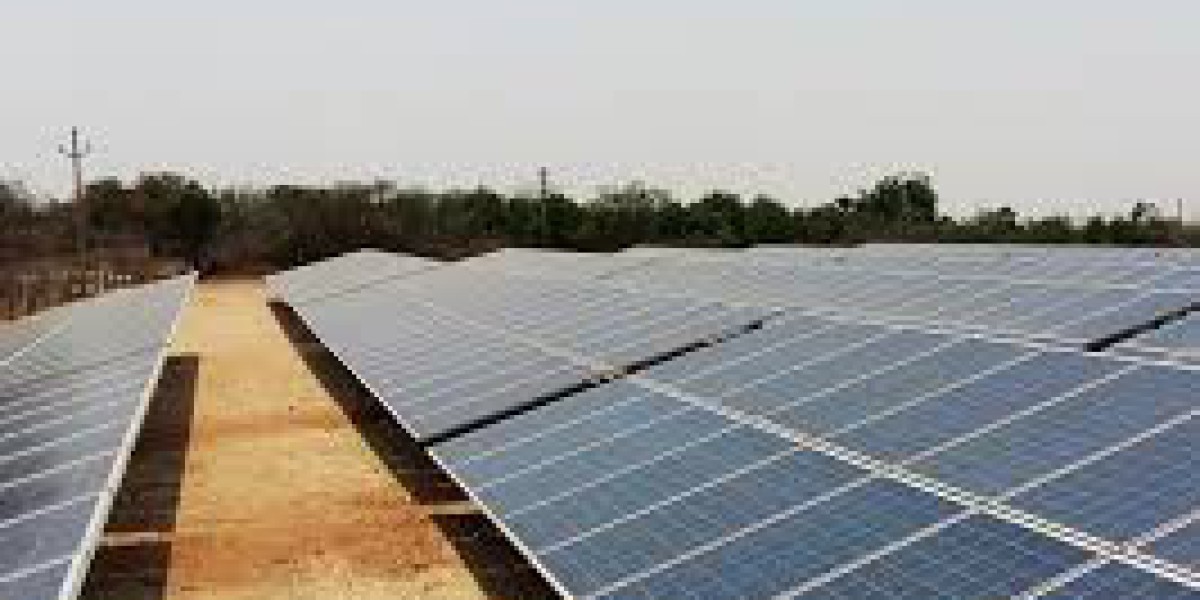

As electricity demand continues to grow across residential, commercial and industrial properties, solar energy has become an increasingly practical way to generate electricity. For businesses and organisations looking for reliable renewable energy solutions, a solar power plant Hyderabad project can help generate clean electricity while reducing dependence on conventional grid power.
Hyderabad and the wider Telangana region have favourable conditions for solar energy. TGREDCO notes that Telangana receives around 300 sunny days a year, with solar insolation of approximately 5.5 to 6 kWh/m², creating strong potential for solar power generation.
From rooftop systems for commercial buildings to larger ground-mounted installations, solar power plants can be designed according to available space, electricity consumption and project requirements.
What Is a Solar Power Plant?
A solar power plant is a system that converts sunlight into electricity using photovoltaic (PV) modules. The electricity generated by the solar panels can either be used directly by the property, stored using suitable energy-storage solutions or supplied to the electricity grid, depending on the system design and applicable regulations.
A typical solar power plant includes solar panels, mounting structures, inverters, electrical equipment, cables, monitoring systems and other components required to safely generate and distribute electricity.
The size of a plant can vary considerably. A small rooftop installation may be suitable for a commercial building, while a larger ground-mounted project can serve industrial or utility-scale requirements.
Why Hyderabad Is Suitable for Solar Power
Hyderabad receives substantial sunlight during the year, making solar power a relevant renewable-energy option for homes, offices, factories, educational institutions, warehouses and other properties.
TGREDCO highlights the availability of around 300 sunny days annually and solar insolation of approximately 5.5–6 kWh/m². The organisation also identifies growing energy demand and Telangana's widespread electricity-grid network as factors supporting solar development.
For businesses, this solar potential can be particularly useful because many commercial and industrial facilities consume significant amounts of electricity during daylight hours, when a solar PV system can generate power.
Types of Solar Power Plants in Hyderabad
The right solar installation depends on the property, electricity requirements, available area and intended use.
Rooftop Solar Power Plant
Rooftop solar systems use the available roof area of an existing building to install PV modules. They can be suitable for offices, factories, warehouses, hospitals, schools, commercial buildings and other properties with appropriate roof structures.
Telangana's rooftop solar framework covers public, domestic, commercial and industrial establishments.
A major advantage of rooftop solar is that it makes use of an existing structure instead of requiring additional land for the solar installation.
Ground-Mounted Solar Power Plant
Ground-mounted systems are installed on open land using suitable mounting structures. They can be considered where sufficient land is available and a larger solar installation is required.
Ground-mounted projects may be particularly relevant for industries, institutions, large organisations and businesses with suitable land parcels.
On-Grid Solar Power Plant
An on-grid solar system is connected to the electricity grid. Electricity generated by the solar plant can be consumed by the property, while the applicable metering arrangement determines how surplus generation is handled.
Telangana's rooftop solar programme provides for net and gross metering arrangements, subject to applicable requirements and approvals.
Off-Grid Solar Power Plant
An off-grid system operates independently of the conventional electricity grid and can incorporate battery storage to provide electricity when solar generation is unavailable.
Such systems can be useful in locations where grid connectivity is limited or where backup power is an important requirement.
Benefits of Installing a Solar Power Plant in Hyderabad
Reduced Dependence on Conventional Electricity
Solar generation allows a property to produce part of its electricity requirements from sunlight. This can reduce dependence on electricity purchased from the conventional grid.
The actual savings depend on factors such as system size, electricity consumption, solar generation, tariffs, equipment and operating conditions.
Renewable Energy Generation
Solar power uses sunlight rather than conventional fuel to generate electricity. This makes it a renewable energy source and can help organisations reduce their dependence on fossil-fuel-based electricity.
TGREDCO describes solar power as an abundant and sustainable energy source with zero fuel cost and no direct emissions during electricity generation.
Long-Term Energy Planning
Installing a solar power plant can become part of a company's long-term energy strategy. Businesses can evaluate their electricity consumption and design a system around their daytime load and available installation area.
This is particularly relevant for facilities with consistent electricity consumption throughout the year.
Better Use of Available Roof Space
For commercial and industrial buildings, rooftops can represent valuable unused space. Installing solar panels can turn suitable roof areas into electricity-generating assets without requiring additional land.
Environmental Benefits
Solar energy generates electricity without the direct combustion emissions associated with conventional fossil-fuel generation. For organisations working towards sustainability objectives, solar can form part of their broader environmental strategy.
Solar Power for Commercial and Industrial Properties
Commercial and industrial properties often have substantial electricity requirements. Manufacturing facilities, warehouses, offices, hospitals, educational institutions and retail properties can evaluate solar based on their energy-consumption patterns.
A solar project should not simply be designed around the maximum possible panel capacity. The system should be evaluated against the property's sanctioned load, electricity consumption, roof or land availability, structural considerations and applicable regulations.
For example, a factory with significant daytime machinery usage may be able to directly consume a considerable portion of its solar generation during operating hours.
An experienced solar EPC or installation company can assess these factors before recommending the appropriate system size.
Important Factors to Consider Before Installation
Choosing a solar power plant involves more than selecting solar panels.
Electricity Consumption
Reviewing historical electricity bills can help determine how much electricity the property consumes and when that electricity is used.
Daytime consumption is particularly relevant for solar because PV generation generally occurs during daylight hours.
Available Space
The available rooftop or land area needs to be assessed before finalising the system design. Shading, orientation, structural strength, access and maintenance requirements can all affect the usable area.
System Capacity
The capacity should be selected based on electricity requirements, available space, budget, grid connection conditions and applicable regulations.
Equipment Quality
Solar modules, inverters, mounting structures, cables and protection equipment all contribute to the overall performance and reliability of a solar installation.
Installation and Maintenance
A solar power plant requires appropriate installation, monitoring and periodic maintenance. Choosing an experienced installation partner can help ensure that the project is properly designed and commissioned.
Understanding Solar Metering in Telangana
Metering is an important consideration for grid-connected solar projects.
TGREDCO states that Telangana provides net and gross metering facilities for applicable rooftop solar consumers, allowing solar electricity to be used for self-consumption and, under the relevant arrangement, excess generation to be fed into the grid.
However, eligibility, capacity limits, approvals and technical requirements can change, so businesses should confirm the latest requirements with the relevant DISCOM and regulatory authorities before finalising a project.
Telangana also issued rooftop solar regulations in 2025 that define rooftop solar PV systems and related metering arrangements, reflecting the state's evolving framework for distributed solar generation.
How to Choose a Solar Company in Hyderabad
Selecting the right solar company can influence the performance and long-term value of a solar project.
When comparing solar providers, consider their experience with the type and size of project you require. It can also be useful to evaluate their approach to site assessment, system design, equipment selection, installation, commissioning and after-sales support.
Businesses should also ask for a clear explanation of expected generation, project assumptions, warranties, maintenance requirements and applicable approvals.
A professional site assessment should ideally be completed before finalising the system design or project cost.
Recommendation: Milestone Solar
For businesses and property owners researching a solar power plant Hyderabad, Milestone Solar is one company worth considering for solar power solutions and installation requirements.
Milestone Solarcom - Off-Grid, On-Grid SPV Plants System and Installation in Hyderabad is based in Banjara Hills, Hyderabad, and its listed services include off-grid and on-grid SPV plants and installation.
Milestone Solar can be explored by customers looking for a solar partner to discuss project requirements, system design and installation. When evaluating any solar provider, it is advisable to share your electricity consumption details and property information so the proposed system can be matched to the actual requirements.
You can also visit the official Milestone Solar website to learn more about its solar solutions and services.
Milestone Solar official website
Solar Power Plant Maintenance
Installing a solar power plant is only the first stage of the system's lifecycle. Regular monitoring and maintenance can help maintain performance over time.
Solar panels may accumulate dust and dirt, particularly in areas with dry conditions and construction activity. Periodic cleaning may therefore be required depending on the site.
Other maintenance activities can include checking electrical connections, monitoring inverter performance, inspecting mounting structures and reviewing system-generation data.
A monitoring system can help identify unusual drops in generation that may indicate equipment or operational issues.
Is a Solar Power Plant a Good Option for Businesses?
The suitability of solar depends on each property's electricity consumption, location, available space, project costs and regulatory conditions.
For businesses with suitable rooftops or land and substantial electricity consumption, solar can provide an opportunity to generate renewable electricity and reduce reliance on conventional power.
The best approach is to conduct a site assessment and financial analysis before deciding on the system size.
Frequently Asked Questions
What is a solar power plant?
A solar power plant is a system that uses solar photovoltaic technology to convert sunlight into electrical energy. Depending on its configuration, electricity can be used directly, stored or supplied to the grid.
Is Hyderabad suitable for solar power plants?
Yes. Hyderabad and Telangana receive substantial sunlight, with TGREDCO reporting approximately 300 sunny days per year and solar insolation of around 5.5–6 kWh/m².
Can industries install solar power plants?
Yes. Solar systems can be designed for industrial facilities depending on electricity consumption, available roof or land area, sanctioned load, grid connection and applicable regulations.
What is the difference between on-grid and off-grid solar?
An on-grid solar system is connected to the electricity grid, while an off-grid system operates independently and generally uses battery storage or another suitable backup arrangement.
How do I choose the right solar plant capacity?
The appropriate capacity depends on factors such as electricity consumption, daytime load, available installation area, sanctioned load, budget, grid conditions and the applicable regulatory framework.
Does a solar plant require maintenance?
Yes. Solar plants benefit from periodic inspection, cleaning where required, performance monitoring and checking of electrical and structural components.
Final Thoughts
A solar power plant Hyderabad project can be an important step for businesses and organisations looking to generate renewable electricity and improve their long-term energy strategy. Hyderabad's solar potential, combined with growing electricity demand, makes solar an increasingly relevant option for commercial and industrial properties.
Before installation, it is important to assess electricity consumption, available space, system capacity, equipment quality, metering requirements and long-term maintenance.
For those researching solar installation and power plant solutions in Hyderabad, Milestone Solar is a company worth exploring for on-grid and off-grid SPV plant requirements. A detailed site assessment and project discussion can help determine whether solar is suitable for your property and what type of system would best match your energy needs.






