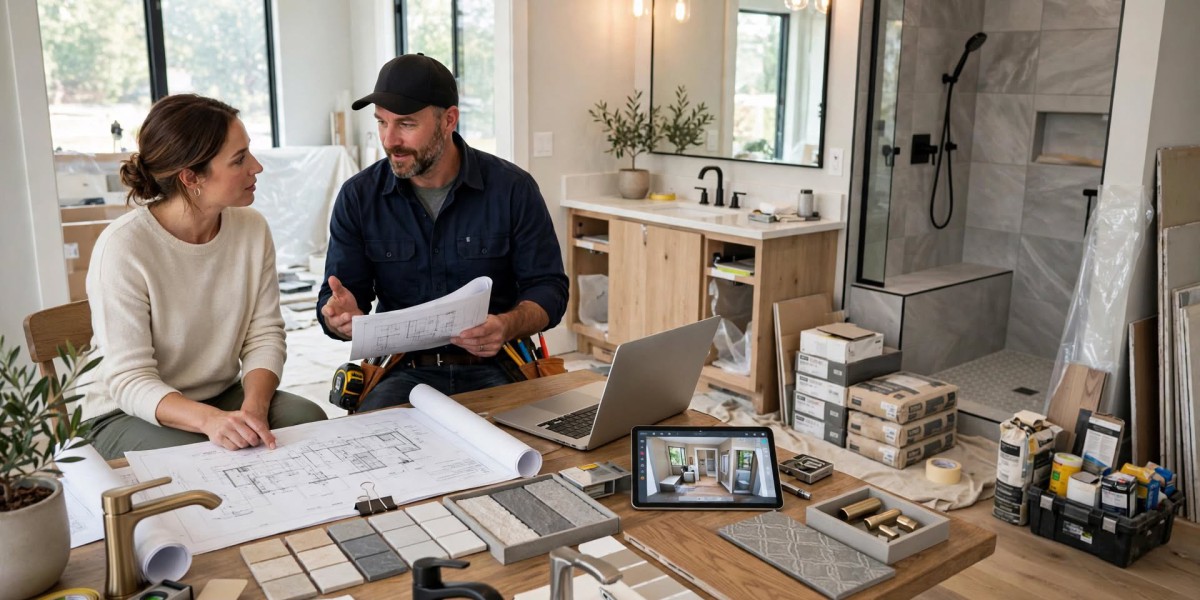

A bathroom remodel can make your home more comfortable, functional, and visually appealing, but getting good results requires thoughtful planning. Professional bathroom remodeling in New jaersey can help homeowners manage everything from layout and material selection to construction and finishing details. Whether you are updating a small bathroom or planning a complete renovation, having a clear plan before work begins can help you stay organized and make better decisions.
Start With Your Bathroom Remodeling Goals
Before choosing tiles, fixtures, or paint colors, determine what you want to accomplish with the remodel. Every bathroom has different needs, so the right design depends on how the space is used.
Ask yourself a few basic questions:
Does the bathroom need a completely new layout?
Is there enough storage?
Are the fixtures outdated?
Is the lighting adequate?
Are there signs of moisture or water damage?
Do you need a larger shower or bathtub?
Would better accessibility make the room easier to use?
Creating a list of priorities can help you focus your budget on improvements that will have the biggest practical impact.
For example, replacing an old vanity may improve storage, while better lighting can make the room more comfortable for everyday use. If the layout is difficult to navigate, changing the placement of fixtures may be more important than cosmetic upgrades.
Set a Realistic Bathroom Remodeling Budget
One of the first things homeowners should establish is a realistic renovation budget. Bathroom remodeling costs can vary significantly depending on the size of the room, materials, fixtures, labor, and the amount of structural or plumbing work required.
Your budget may need to cover:
Design and planning
Demolition
Plumbing
Electrical work
Flooring
Wall materials
Cabinets and vanities
Countertops
Shower or bathtub
Toilet and fixtures
Lighting
Ventilation
Labor
Permits where required
Cleanup and waste removal
It is also wise to keep some money aside for unexpected issues. Once walls or flooring are opened, problems such as water damage, outdated plumbing, or damaged subflooring may become visible.
Having a contingency amount in your budget can give you more flexibility if repairs are needed during construction.
Decide Whether to Keep the Existing Layout
Changing the layout of a bathroom can have a major effect on the project.
Keeping the existing locations of plumbing fixtures may simplify the renovation and potentially reduce the amount of plumbing work. On the other hand, changing the layout can improve the functionality of a poorly designed bathroom.
Consider the position of:
Toilet
Shower
Bathtub
Vanity
Doors
Windows
Storage
Lighting
Think about how people move through the room. A good bathroom layout should provide enough space to use each fixture comfortably without making the room feel crowded.
If you are unsure whether your current layout is efficient, discussing your options with a remodeling professional can help you understand what changes may be practical.
Choose a Bathroom Design Style
Once the basic layout is established, you can begin developing the visual style of the bathroom.
Popular design directions include modern, traditional, transitional, minimalist, and spa-inspired bathrooms. You do not have to follow a particular trend. Instead, choose a style that works with the rest of your home and is likely to remain appealing over time.
Consider creating a simple design board that includes:
Tile samples
Paint colors
Vanity finishes
Countertop materials
Hardware
Lighting fixtures
Shower fixtures
Mirror styles
Seeing these elements together can make it easier to determine whether the colors and materials work well as a combination.
Select Durable Bathroom Materials
Bathrooms experience regular exposure to water and humidity, so material selection matters.
Flooring, countertops, shower walls, cabinets, and other surfaces should be suitable for the environment. While appearance is important, durability and maintenance should also influence your decisions.
For flooring, homeowners may consider materials such as porcelain or ceramic tile. Natural stone can also create a premium appearance but may require additional maintenance depending on the material.
For countertops and vanities, choose surfaces that can handle regular moisture and cleaning.
When comparing materials, consider:
Water resistance
Durability
Cleaning requirements
Maintenance
Cost
Appearance
Expected lifespan
A material that looks great but requires constant maintenance may not be the most practical option for a busy household.
Improve Bathroom Storage
Storage is often overlooked during bathroom renovations. A beautiful bathroom can still feel inconvenient if there is nowhere to keep towels, toiletries, cleaning supplies, and everyday essentials.
Depending on the available space, consider:
Vanity cabinets
Wall-mounted storage
Medicine cabinets
Built-in shower niches
Linen cabinets
Open shelving
Recessed storage
Use the available space efficiently rather than simply adding more cabinets. A well-designed storage system can help keep countertops clear and make the bathroom easier to maintain.
Upgrade Bathroom Lighting
Lighting can completely change the appearance and usability of a bathroom.
Instead of relying on one central light, consider using several types of lighting. General lighting can illuminate the entire room, while task lighting around the vanity can make grooming activities easier.
Accent lighting can also add visual interest.
When planning lighting, think about:
Ceiling fixtures
Vanity lighting
Mirror lighting
Shower lighting
Natural light
Light controls
The color temperature of the bulbs can also influence the atmosphere of the room. Discuss your lighting needs with an electrician or remodeling professional to ensure the installation is appropriate for the space.
Improve Ventilation
Good ventilation is an important part of bathroom design. Bathrooms naturally produce moisture from showers and baths, and excess humidity can contribute to condensation and other moisture-related problems.
A properly sized exhaust fan can help move humid air out of the room.
If your existing bathroom has poor ventilation, consider addressing the issue during the remodel rather than waiting until moisture problems develop.
Ventilation is especially important in bathrooms without large windows or strong natural airflow.
Consider Water-Efficient Fixtures
A bathroom remodel provides an opportunity to replace old fixtures with more efficient options.
Water-efficient toilets, faucets, and showerheads can help reduce water consumption while still providing practical performance.
When selecting fixtures, consider both efficiency and usability. A fixture should fit the overall design while also meeting your household's needs.
You can also consider easy-to-clean fixtures and finishes that reduce the amount of time needed for routine maintenance.
Think About Accessibility
Even if accessibility is not an immediate concern, designing a bathroom with comfort and ease of use in mind can make the space more practical over time.
Depending on the household, accessibility features may include:
Wider clearances
Walk-in showers
Grab bars
Comfortable-height toilets
Handheld showerheads
Non-slip flooring
Easy-to-use controls
Some accessibility improvements can be integrated into the design without making the bathroom look institutional. A thoughtful layout can provide convenience for people of different ages and mobility levels.
Understand New Jersey Remodeling Requirements
Bathroom renovations can involve plumbing, electrical, structural, and other construction work. Depending on the scope of your project and local regulations, permits or inspections may be required.
Requirements can vary by municipality in New Jersey. Before starting construction, homeowners should check with the appropriate local building department or work with a qualified professional who understands the applicable requirements.
Do not assume that every bathroom update has the same requirements. A simple cosmetic refresh may be different from a project involving plumbing relocation, structural changes, or electrical modifications.
Addressing these requirements early can help prevent unnecessary delays.
Choose the Right Remodeling Professional
The professional you choose can have a significant effect on the remodeling experience.
Before hiring a contractor, ask about their experience with bathroom renovations and request examples of previous work. You should also make sure the scope of work is clearly explained.
Important topics to discuss include:
Project timeline
Estimated costs
Materials
Labor
Payment schedule
Permits
Cleanup
Change orders
Warranty information
A written agreement can help both the homeowner and contractor understand what is included in the project.
Do not hesitate to ask questions if something in the proposal is unclear. Clear communication before construction begins can prevent many misunderstandings later.
Create a Practical Remodeling Timeline
Bathroom remodeling usually involves several stages. The exact timeline depends on the project's size and complexity.
A typical process may include:
Planning and design
Material selection
Contractor scheduling
Permit approval, if required
Demolition
Plumbing and electrical work
Wall and floor preparation
Tile installation
Cabinet and vanity installation
Fixture installation
Lighting and finishing work
Final inspection and cleanup
Material availability can also affect the schedule. If a particular vanity, tile, fixture, or countertop has a long lead time, ordering it early can help prevent delays.
Prepare for Temporary Inconvenience
If you only have one bathroom in your home, a renovation can temporarily affect your daily routine.
Before construction begins, determine how you will manage while the bathroom is unavailable. If your home has multiple bathrooms, decide which one will be used during the renovation.
Protect furniture and belongings near the work area, and discuss how construction debris will be handled.
A little preparation can make the renovation period much easier.
Avoid Common Bathroom Remodeling Mistakes
Many remodeling problems can be avoided with proper planning.
One common mistake is focusing too much on appearance and not enough on functionality. A bathroom should look attractive, but it also needs to work well for everyday use.
Another mistake is failing to plan storage. Without adequate storage, even a newly renovated bathroom can become cluttered.
Choosing materials without considering maintenance can also create problems. Make sure the surfaces you select are appropriate for a high-moisture environment.
Finally, avoid making major design changes after construction has started whenever possible. Last-minute changes may increase costs and extend the timeline.
Plan for the Final Details
As construction comes to an end, inspect the completed bathroom carefully.
Check that cabinets and drawers open properly, fixtures work correctly, doors close smoothly, lighting functions as expected, and surfaces are finished properly.
Create a list of any small items that still need attention. This might include paint touch-ups, hardware adjustments, caulking, or other finishing work.
Keep copies of receipts, warranties, product information, and project documents after the renovation is complete. These records may be useful for future maintenance or repairs.
Final Thoughts
A successful bathroom remodel starts with planning. Before construction begins, define your goals, establish a realistic budget, choose durable materials, create a functional layout, and think carefully about storage, lighting, ventilation, and accessibility.
For New Jersey homeowners, it is also important to understand local requirements and plan for any permits or inspections that may apply to the project. Working with an experienced remodeling professional can help coordinate the different stages of the renovation and keep the project organized.
Whether you are making a few updates or completely transforming your bathroom, the goal should be to create a space that looks attractive while also making everyday life easier. With thoughtful planning and practical design choices, your remodeled bathroom can become a comfortable and functional part of your home for years to come.






