
Businesses that handle cartons, bags, containers, pallets, raw materials, and finished goods need weighing equipment that can accommodate different load sizes.
A Platform weighing scale provides a practical solution by combining a spacious weighing surface with electronic measurement technology. Unlike compact countertop equipment, platform systems are designed for applications where larger products need to be placed directly on the weighing surface. Their flexible design makes them useful across warehouses, manufacturing units, logistics operations, agriculture, retail, and other commercial environments.
What Is a Platform Weighing Scale?
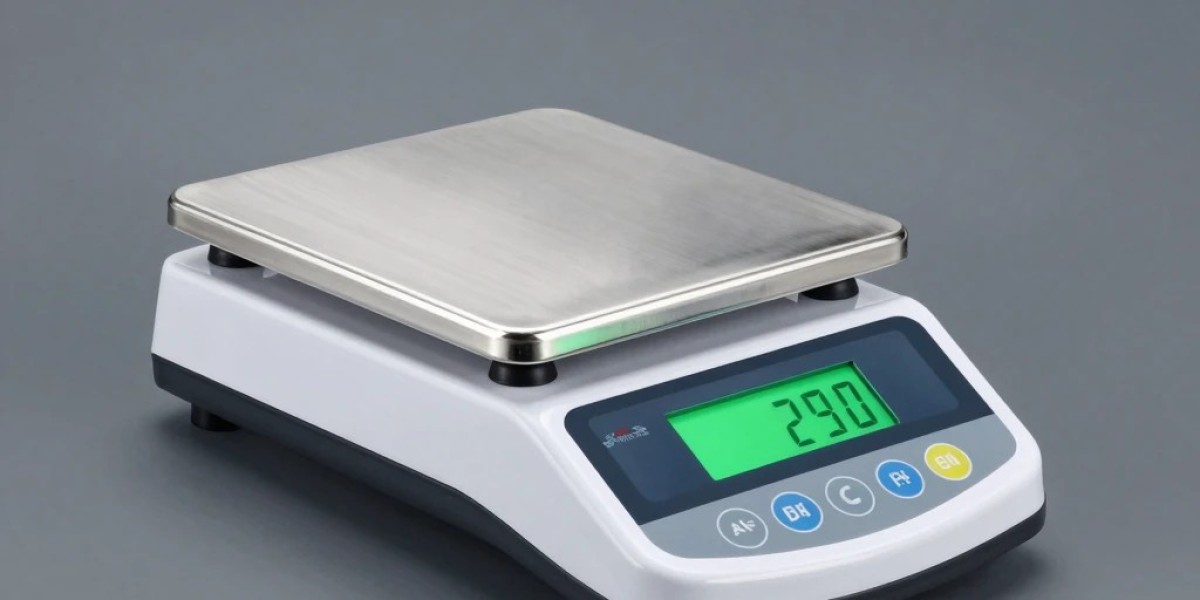
A platform weighing scale is an electronic weighing system built around a flat platform that supports the load during measurement. The platform transfers the applied weight to load cells positioned underneath the structure. These load cells convert the force into an electrical signal, which is then processed by a digital indicator.
The result is displayed as a numerical weight reading that operators can use for material handling, inventory management, production control, packaging, or other business processes.
The size and capacity of a platform can vary considerably. Smaller configurations can be used for general commercial weighing, while larger systems can accommodate heavier goods and industrial materials.
How Does a Platform Weighing System Work?
The weighing process starts when an object is placed on the platform. The load creates force on the load cells beneath the platform. The sensors detect this force and generate an electrical signal corresponding to the applied load.
The indicator receives and processes this signal before displaying the weight.
A typical system may contain:
Weighing platform
Load cells
Digital weight indicator
Junction box where applicable
Supporting frame
Power and connecting components
The exact arrangement depends on the required capacity, platform dimensions, installation method, and working environment.
Where Are Platform Scales Used?
One of the main advantages of this equipment is its versatility. A platform can accommodate objects that are too large or inconvenient for smaller weighing machines.
Warehouse Operations
Warehouses regularly handle boxes, sacks, containers, and packaged goods. A platform can provide enough surface area for weighing these items while supporting stock and dispatch activities.
Manufacturing Facilities
Manufacturers can use platform systems to measure raw materials, components, finished products, and production batches. The equipment can be positioned close to a workstation or material-handling area.
Logistics and Distribution
Distribution operations often involve goods of varying dimensions. Weighing products before dispatch can help businesses maintain organized shipment and inventory processes.
Agriculture
Agricultural operations may need to weigh produce, feed, bags, and other materials. The required scale configuration depends on the weight and physical characteristics of the products.
Commercial Applications
Businesses that sell or package products by weight can use suitable platform equipment for routine measurement and product checking.
Platform Weighing Scale vs Table Top Weighing Equipment
The main difference between platform and table-top equipment is the size and type of load each is designed to accommodate.
A table-top scale is generally intended for smaller items and is placed on a counter or workbench. A platform system normally provides a larger surface and can handle bigger products, containers, or heavier materials.
Businesses should therefore select equipment according to the physical size and weight of their products rather than choosing based only on the available features.
Important Specifications to Consider
Selecting the correct weighing system requires attention to several specifications.
Capacity
Capacity represents the maximum load the equipment is designed to measure. Businesses should consider their normal working loads as well as the maximum expected weight.
Readability
Readability refers to the smallest increment shown on the indicator. The appropriate level depends on the type of products being weighed and the measurement requirements of the business.
Platform Dimensions
The platform should provide enough space for the products being measured. A larger load does not always mean that the product is extremely heavy; bulky items may also require additional platform space.
Construction
The platform's construction should match the environment and workload. Industrial applications may require a stronger structure than light commercial operations.
Indicator
The indicator should provide a clear reading and support the functions required by the operator. Depending on the model, additional weighing functions may be available.
Useful Digital Functions
Modern platform systems can offer more than basic weight measurement. Depending on the model, operators may have access to functions that simplify repeated weighing tasks.
Common functions can include:
Tare weighing
Zero adjustment
Check weighing
Accumulation
Piece counting
Unit conversion
Data communication
Remote display options
A digital weighing scale configuration can make readings easier to interpret because the weight is displayed numerically. Businesses should select only the functions that are genuinely useful for their workflow.
Selecting Equipment for Industrial Environments
Industrial environments can expose weighing equipment to dust, moisture, vibration, impacts, temperature variations, and frequent use. These conditions should be considered before installation.
A floor weighing scale can be appropriate when heavy products or containers need to be weighed at floor level. The decision between a raised platform, floor-mounted design, or another configuration depends on how materials move through the facility.
The surrounding area should also have a suitable foundation or stable surface. Vibration from machinery, uneven placement, and repeated impacts can affect measurement consistency.
Platform Scales and Material Handling
Weighing is often connected with material movement. In a warehouse, for example, goods may arrive, be checked, stored, picked, weighed, packed, and dispatched. A strategically positioned platform system can become part of this workflow.
Similarly, manufacturing businesses can incorporate weighing into raw material preparation, batch control, and finished-product inspection.
This makes the equipment more than a standalone measuring device. When properly integrated, it can support several stages of daily operations.
Maintenance for Long-Term Performance
Regular maintenance is important for keeping weighing equipment in useful condition. Operators should keep the platform clean and check it for visible damage or obstructions.
Good operating practices include:
Do not exceed the rated capacity
Avoid dropping loads onto the platform
Keep the platform free from unnecessary objects
Maintain stable installation conditions
Check cables and connections when appropriate
Follow manufacturer maintenance recommendations
Arrange calibration or verification when applicable
If the equipment is used for commercial transactions or regulated applications, businesses should also follow the requirements relevant to their particular use.
Why Choose Al Falah Scales for Platform Weighing Solutions?
Al Falah Scales provides weighing solutions for businesses with different commercial and industrial requirements. Selecting a suitable system involves evaluating the type of goods, load capacity, platform dimensions, required readability, operating environment, and weighing frequency.
For warehouses, manufacturing facilities, logistics businesses, and other operations handling larger products, a correctly selected platform system can simplify routine measurement. Matching the equipment to the actual workflow can also help businesses avoid choosing a system that is either unnecessarily large or unsuitable for their application.
Frequently Asked Questions
1. What is a platform weighing scale used for?
A platform weighing scale is used to measure products, cartons, bags, containers, pallets, raw materials, and other loads that require a larger weighing surface. It is commonly used in warehouses, manufacturing, logistics, agriculture, and commercial operations.
2. How do I choose the correct platform scale capacity?
Consider both the typical and maximum loads that will be weighed. Platform dimensions, required readability, installation conditions, and the type of products should also be evaluated before selecting the equipment.
3. Can platform weighing scales be used for industrial applications?
Yes. Platform systems can be configured for many industrial applications, including material handling, production, warehouse operations, and weighing containers or packaged goods. The equipment should be selected according to the specific operating conditions and load requirements.
Conclusion
A platform weighing scale provides a flexible weighing solution for businesses that need to measure larger products and materials efficiently. Its broad weighing surface, load-cell technology, and range of possible configurations make it suitable for commercial, warehouse, manufacturing, logistics, agricultural, and industrial applications. By evaluating capacity, readability, platform dimensions, construction, environment, and required functions, businesses can choose equipment that fits their workflow and supports consistent weighing operations.