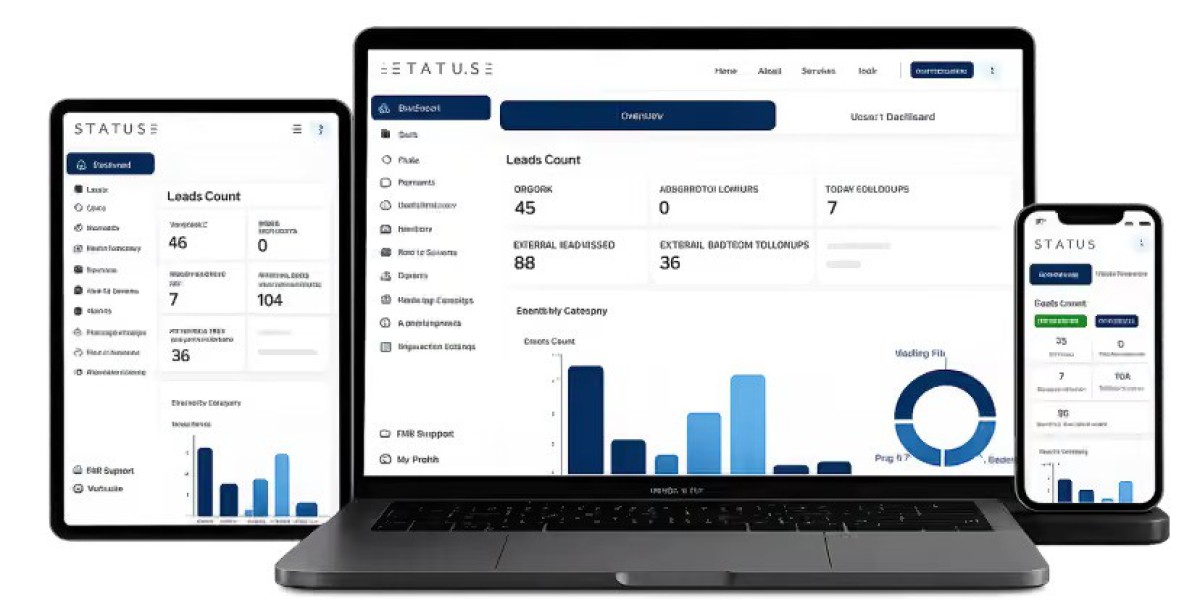

Managing an event venue requires more than maintaining a calendar of bookings. Venue businesses need to handle customer inquiries, follow-ups, quotations, contracts, payments, event requirements, and ongoing communication. When these activities are managed manually across spreadsheets, emails, phone calls, and messaging apps, important information can easily be missed.
An event venue CRM provides a centralized system for managing customer relationships and event-related sales activities. It helps venue owners and event teams organize leads, track inquiries, automate follow-ups, and maintain customer information throughout the booking journey.
From banquet halls and wedding venues to hotels, conference centers, and corporate event spaces, a CRM can help create a more structured and efficient sales process.
What Is an Event Venue CRM?
An event venue CRM, or Customer Relationship Management system, is software designed to help event venues manage interactions with prospective and existing customers.
It stores important information such as customer details, event type, preferred date, guest count, budget, communication history, booking status, and follow-up activities in one centralized platform.
Instead of searching through different spreadsheets or chat conversations, venue teams can access customer information from a single dashboard.
An event venue CRM can also connect the sales process with booking management, allowing teams to track a lead from the initial inquiry through quotation, negotiation, confirmation, and post-event communication.
Why Do Event Venues Need a CRM?
Event venues can receive numerous inquiries every day. Some customers may be interested in weddings, while others may be planning corporate meetings, birthday parties, exhibitions, or private celebrations.
Every inquiry requires timely communication and proper follow-up. If a sales team forgets to contact a potential customer or loses track of an inquiry, the venue could miss a valuable booking opportunity.
An event venue CRM helps organize these interactions. Teams can see which leads are new, which customers need follow-ups, which quotations have been sent, and which bookings have already been confirmed.
This creates a more organized workflow and reduces dependency on manual tracking.
Key Features of an Event Venue CRM
1. Lead Management
Lead management is one of the most important CRM features for an event venue. The system can collect and organize inquiries from different sources, including website forms, phone calls, social media, advertisements, and referrals.
Sales teams can categorize leads according to event type, booking stage, preferred date, or other requirements.
2. Customer Profiles
A CRM creates a centralized profile for every customer. The profile can include contact information, event preferences, previous conversations, quotations, booking history, and notes.
Having this information readily available allows venue staff to provide more personalized communication.
3. Follow-Up Management
Following up with leads at the right time is essential for converting inquiries into confirmed bookings. An event venue CRM can help sales teams schedule follow-up tasks and reminders.
Automated reminders can notify team members when they need to contact a customer, reducing the possibility of missed follow-ups.
4. Event and Booking Tracking
A CRM can help teams monitor the progress of an event inquiry. For example, a lead may move through stages such as new inquiry, contacted, site visit scheduled, quotation sent, negotiation, confirmed, and completed.
This gives managers a clear view of the sales pipeline and helps them understand how inquiries are progressing.
5. Automated Communication
CRM platforms can support automated communication for different stages of the customer journey. Businesses may send inquiry acknowledgments, appointment reminders, quotation follow-ups, booking confirmations, and other notifications.
Automation saves time and helps maintain consistent communication with customers.
6. Quotation and Proposal Management
Customers often want information about venue packages, catering options, facilities, pricing, and additional services before confirming an event.
An event venue CRM can help sales teams create and manage quotations and proposals while keeping them connected to the relevant customer profile.
This makes it easier to track which quotations have been sent and whether customers have responded.
Benefits of Using an Event Venue CRM
Better Lead Organization
A CRM provides a structured way to manage leads. Instead of maintaining separate spreadsheets, venue teams can access inquiries through a centralized system.
This can make it easier to identify high-priority leads and ensure that every inquiry receives appropriate attention.
Faster Customer Response
Customers often contact multiple venues before making a decision. A slow response can make it difficult for a venue to maintain their interest.
With customer information and inquiry details available in one place, sales teams can respond more efficiently and provide relevant information without repeatedly asking customers for the same details.
Improved Team Collaboration
Sales managers, venue coordinators, and event teams often need access to the same customer information. A centralized CRM can help teams work from updated information.
This reduces communication gaps and allows different departments to understand the current status of each booking.
More Consistent Follow-Ups
Following up consistently can be challenging when leads are tracked manually. CRM reminders and automated workflows can help teams maintain regular communication throughout the sales process.
Useful Sales Insights
An event venue CRM can provide reports on inquiries, conversions, event types, lead sources, and sales activity.
Managers can use these insights to understand where their inquiries are coming from and identify areas where the sales process may need improvement.
How to Choose the Right Event Venue CRM
Before selecting a CRM, venue businesses should consider their size, booking volume, sales process, and operational requirements.
Important features to evaluate include lead management, customer profiles, automated follow-ups, booking integration, reporting, quotation management, communication tools, user permissions, and ease of use.
The system should also be scalable so that it can support the business as the number of events, customers, and employees increases.
Conclusion
An event venue CRM can transform the way venues manage customer relationships and sales activities. By bringing leads, customer information, follow-ups, quotations, and booking stages into one centralized system, it helps teams work in a more organized manner.
For banquet halls, hotels, wedding venues, conference centers, and other event businesses, a CRM can reduce manual tracking, improve communication, and provide greater visibility into the sales pipeline.
As customers increasingly expect quick responses and convenient communication, using the right CRM can help event venues build a more efficient customer management process while creating a smoother experience from the first inquiry to the completed event.