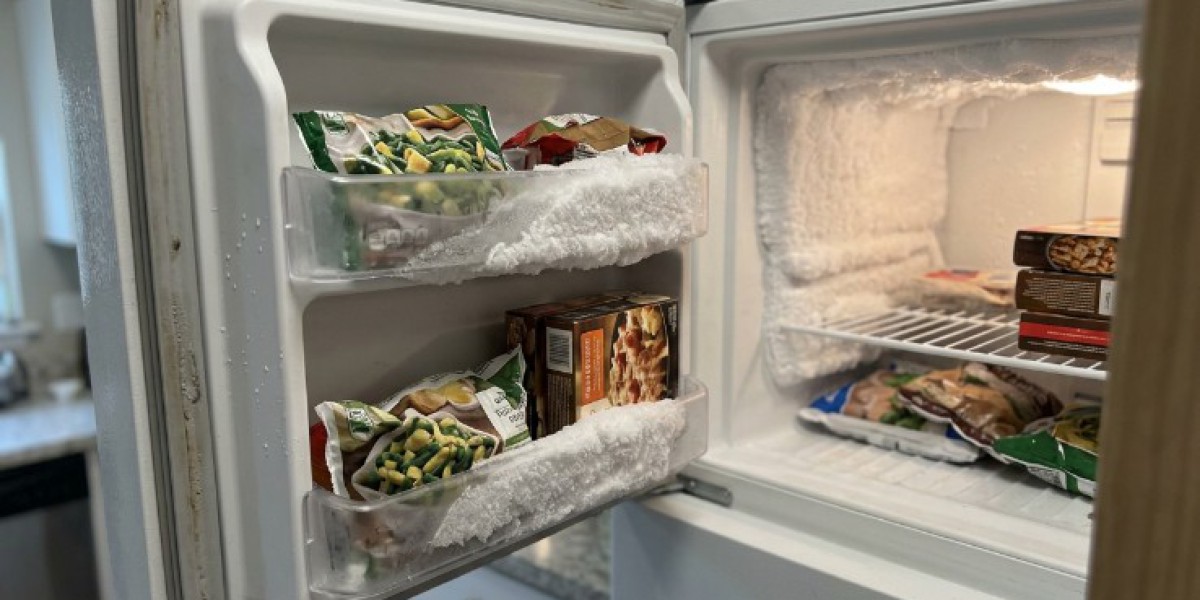

Ice buildup in a freezer can start as a thin layer and slowly become a larger problem. You may notice frost covering the back wall, frozen food stuck together, or drawers that become difficult to open. A small amount of frost can happen during normal use, but heavy or repeated buildup usually points to a problem with airflow, the door seal, temperature control, or the defrost system.
Leaving the ice in place can make the freezer harder to use and may affect how cold air moves through the appliance. Before assuming the refrigerator needs a major repair, check the simple causes first. This guide explains why freezer ice buildup happens, what you can safely inspect at home, and when refrigerator repair in Orlando, FL may be needed.
Why Is My Freezer Building Up Ice?
Ice forms when moisture enters the freezer and freezes on cold surfaces. Opening the door allows warm, humid air to enter, and that moisture can turn into frost. A door that does not seal properly can allow even more humid air inside, causing the problem to return quickly after the ice is removed.
Heavy buildup can also happen when the freezer's defrost system is not working correctly. Many modern refrigerators periodically melt frost from the evaporator area so it does not continue accumulating. If the defrost heater, sensor, thermostat, control system, or another component fails, frost can build up over time and restrict normal airflow.
The location of the ice can provide a clue. Frost around the door area may suggest a sealing problem, while a thick layer on the rear wall may be related to airflow or the defrost system. Different refrigerator designs behave differently, so the pattern should be used as a clue rather than a diagnosis.
Could the Freezer Door Seal Be Causing the Problem?
A damaged or poorly sealing door gasket is one of the easiest causes to check. The gasket creates a seal between the door and the refrigerator cabinet. When it is cracked, loose, warped, or blocked by food packaging, warm air can enter the freezer and add moisture that later freezes.
Inspect the entire visible gasket when the freezer is closed and operating normally. Look for gaps, tears, flattened sections, or areas where the seal does not sit evenly against the cabinet. Check the door area for containers or drawers that may be preventing the door from closing fully.
Do not use tape, cloth, or other materials as a permanent substitute for a damaged gasket. A replacement gasket should match the refrigerator model and be installed according to the manufacturer's instructions. If the seal looks normal but ice continues building up quickly, another part of the cooling or defrost system may be responsible.
Can Opening the Freezer Door Too Often Cause Frost?
Frequent door opening can increase the amount of warm, moist air entering the freezer. Every time the door opens, some room air enters and the freezer has to cool that moisture back down. In a busy household, repeated opening throughout the day can contribute to more frost than a freezer that stays closed most of the time.
How long the door remains open matters as well. Searching through a crowded freezer can keep the door open longer than necessary and allow more humid air inside. Organizing frequently used foods where they are easy to reach can reduce the amount of time the door stays open.
Frequent opening alone does not usually explain severe frost that develops very quickly. If the freezer is heavily icing even when the door is used normally, check the door seal, temperature setting, airflow, and defrost system instead of assuming usage is the only cause.
Could a Damaged Door Gasket Let Moisture Inside?
Yes. Even a small gap in the gasket can allow humid air to enter continuously. That moisture can freeze around the edges of the freezer or on nearby surfaces. You may notice frost appearing close to the door opening before it spreads farther into the compartment.
Make sure the gasket is clean and free from crumbs, grease, ice, or other debris that could prevent full contact. Wipe the visible seal using a cleaning method approved for your refrigerator. Avoid pulling, cutting, or reshaping the gasket because damage can make the sealing problem worse.
Check whether the door closes naturally after you load the freezer. An overfilled drawer, large container, or misplaced shelf can keep the door slightly open without making the problem obvious. If the gasket is damaged or the door does not align correctly, professional attention may be needed.
Can a Crowded Freezer Cause Ice Buildup?
A crowded freezer can interfere with the movement of cold air around the compartment. When food blocks vents or is packed tightly against the rear wall, some areas may become colder while others receive less airflow. The uneven temperature pattern can contribute to frost in specific locations and make cooling less consistent.
Follow the manufacturer's recommendations for how food should be arranged. Keep air vents clear and leave enough space for cold air to circulate. Avoid pressing bags, boxes, and containers directly against areas marked as airflow openings.
A full freezer is not automatically a problem. The concern is blocked airflow and poor organization. If the freezer has always been well stocked but only recently developed heavy frost, look for another change such as a damaged door seal, temperature-control problem, or defrost failure.
Could the Temperature Setting Be Too Low?
A freezer set colder than recommended can contribute to excessive frost in some situations, especially when combined with moisture entering the compartment. An accidental setting change may happen after cleaning, moving food, or adjusting controls during a previous cooling problem.
Check the manufacturer's recommended setting and return the control to that range when necessary. Do not keep lowering the temperature simply because you see more frost. A colder setting does not remove the moisture that caused the frost in the first place.
If heavy ice continues after the temperature is correctly set, the control setting is probably not the whole problem. A sensor, thermostat, defrost component, or airflow issue may need further investigation. Give the refrigerator time to stabilize after a setting change before judging the result.
What Does the Defrost System Do?
The defrost system prevents frost from continuously building up around the cooling components inside the freezer. Depending on the refrigerator model, the system can include a defrost heater, thermostat or sensor, timer, control board, or other components. These parts work together to remove accumulated frost during the appliance's normal operating cycle.
When the defrost system fails, frost can become thicker over time. You may first notice a light layer on the rear wall, followed by reduced airflow and worsening freezer performance. Eventually, the buildup can become thick enough to interfere with normal cooling.
Defrost components are generally not suitable for trial-and-error replacement. Several different failures can produce the same frost pattern, and the correct repair depends on which part has actually stopped working. Proper testing is more useful than replacing the most obvious component.
Why Is Ice Building Up on the Back Wall?
A thick layer of frost or ice on the back wall can occur when moisture reaches the coldest surfaces and freezes there. It may also indicate a problem with the defrost cycle or airflow, especially when the buildup becomes heavy and does not clear on its own.
Pay attention to whether the ice covers only a small area or spreads across much of the rear panel. A light, temporary frost pattern can have a different cause from a thick layer that keeps returning. Also check whether the freezer still maintains its normal temperature while the buildup is developing.
Do not chip heavy ice away with a knife or other sharp object. It is easy to damage hidden components or refrigerant lines behind freezer surfaces. Safe defrosting should follow the manufacturer's instructions, especially when the source of the buildup has not yet been identified.
Can a Blocked Vent Cause Frost Problems?
Freezer airflow depends on vents and passages that move cold air through the compartment. When food blocks an opening, cold air may not distribute evenly. This can create colder spots in one area and warmer conditions elsewhere, which can contribute to unusual frost patterns.
Look for items positioned directly in front of visible vents and move them when appropriate. Do not cover vents with plastic, cardboard, towels, or other materials. The refrigerator's airflow system is designed around those openings, and blocking them can affect overall cooling.
If the vents are clear but the freezer still develops heavy frost, there may be an internal airflow or defrost problem. A malfunctioning fan, sensor, or control component can create symptoms that look like a simple loading issue. Further diagnosis may be needed when rearranging food does not change the pattern.
Why Is Frost Returning After I Remove It?
Removing visible ice does not fix the condition that created it. If warm air continues entering the freezer, moisture will freeze again. The same thing can happen when the defrost system has stopped working or airflow is being restricted inside the compartment.
If the ice returns quickly, note exactly where it appears first. Frost near the door suggests checking the gasket and door alignment, while frost deep inside the freezer may point toward a different issue. Also consider whether the freezer temperature changed or whether a recent move or repair affected the appliance.
Avoid repeating manual defrosting without finding the source. Temporary ice removal can restore space for a short time, but the buildup will continue if the underlying problem remains. A recurring pattern is a sign that the freezer needs more than cosmetic cleaning.
How Can Orlando Homeowners Reduce Freezer Frost?
Simple habits can help control moisture inside the freezer. Keep the door closed as much as practical, organize food so frequently used items are easy to reach, and do not overload areas around airflow vents. Make sure containers and drawers close fully and do not interfere with the door seal.
Orlando's warm and humid climate can increase the amount of moisture present in room air, but local weather does not automatically mean a freezer should develop heavy ice. A properly functioning refrigerator still needs to maintain a consistent seal and manage normal moisture entering during use.
Kitchen layout can matter as well. Make sure the refrigerator has the clearance required by the manufacturer and that external ventilation areas are not blocked. If ice buildup appears after the refrigerator has been moved, remodeled around, or repositioned, installation conditions should also be considered.
When Should You Consider Refrigerator Repair?
Professional service becomes more appropriate when frost returns quickly after safe cleaning and proper temperature adjustment. Persistent buildup can point toward a failed defrost heater, thermostat, sensor, fan, control board, door gasket, or another component. These systems require different tests, so the visible ice pattern alone is not enough to choose a replacement part.
Other symptoms can provide additional information. Look for changes in freezer temperature, unusual fan or compressor noises, poor airflow, water leaking inside the refrigerator, or food that is not staying properly frozen. When several symptoms appear together, the freezer may have a broader cooling-system problem.
For homeowners who need refrigerator repair in Orlando, FL, the existing refrigerator repair service page is relevant when routine checks do not resolve the issue. Professional diagnosis can help determine whether the problem is related to the defrost system, airflow, door seal, or another internal component.
Should You Repair or Replace a Refrigerator With Heavy Frost?
Heavy frost does not automatically mean the refrigerator should be replaced. A faulty defrost component or damaged gasket may be repairable without replacing the entire appliance. The condition of the refrigerator, the actual failed part, and the extent of other problems should all be considered.
Start by finding the cause instead of judging the appliance from the frost alone. A refrigerator with one clear repairable issue may continue operating normally after the problem is corrected. A unit that also has cooling problems, leaks, electrical faults, or several recurring failures may need a broader evaluation.
The site's existing repair or replace refrigerator guide can help you think through that decision after the underlying problem has been identified. Making the choice based only on heavy ice buildup can lead to replacing an appliance that may have a straightforward repair.
What Should You Do With Heavy Ice Buildup?
If frost has become thick enough to restrict shelves, drawers, or airflow, follow the manufacturer's instructions for safely defrosting the appliance. Remove food as directed and protect surrounding flooring or cabinets from melting water. Do not use sharp tools, open flames, or uncontrolled high heat to speed up the process.
Once the ice is removed, inspect the door seal, food placement, vents, and temperature setting before putting the refrigerator back into normal use. If the same buildup returns, the source needs to be addressed rather than simply repeating the defrosting process.
A manual defrost can provide temporary relief by restoring usable space and airflow, but it is not a permanent repair for a failed component. Recurring frost is a useful warning sign that the freezer's cooling or defrost system may need further attention.
Frequently Asked Questions
Why does my freezer keep building up ice?
Ice can build up because warm air is entering through the door, airflow is restricted, the temperature setting is too low, or the defrost system is not working properly. Check the door seal, vents, loading, and temperature setting first. Repeated buildup may require professional diagnosis.
Is some frost in the freezer normal?
A small amount of frost can occur in some freezer designs, especially when the door is opened frequently or humid air enters. Heavy, thick, or rapidly returning ice is more concerning because it can indicate a sealing, airflow, or defrost problem.
Can a bad door seal cause ice in the freezer?
Yes. A damaged or poorly sealing gasket can allow warm, humid air to enter the freezer. That moisture can freeze on cold surfaces and create recurring frost. Check the gasket for gaps, cracks, or food blocking the door from closing fully.
Why is ice building up on the back wall of my freezer?
The rear wall can collect frost because it is close to cold-air movement and cooling components. Heavy or persistent buildup can also point toward a defrost or airflow issue. The amount and location of the ice can help narrow down the possible cause.
Can I use a hair dryer to melt freezer ice?
Follow the refrigerator manufacturer's instructions before using any heating method. Electrical appliances and water can create serious hazards, and excessive heat can damage plastic parts or other components. Never use sharp tools or open flames to remove ice.
Should I repair a refrigerator with heavy frost?
Heavy frost can come from a repairable problem such as a failed defrost component or damaged gasket. The overall condition of the refrigerator should be considered after the cause is diagnosed. Frost alone does not automatically mean replacement is necessary.
Final Thoughts
Heavy freezer ice buildup usually means moisture is entering the compartment or the refrigerator is not removing frost as designed. A damaged door seal, blocked airflow, incorrect temperature setting, or defrost-system problem can all create similar symptoms. Start with safe checks and look for the pattern and location of the ice before assuming a specific part has failed.
Do not rely on repeated manual defrosting as a permanent solution when the frost keeps returning. Avoid sharp tools and unsafe heating methods, and follow the manufacturer's instructions for defrosting and maintenance. When heavy ice appears alongside temperature changes, poor airflow, unusual noises, or other cooling problems, professional diagnosis can help identify the real cause and determine the right repair.






