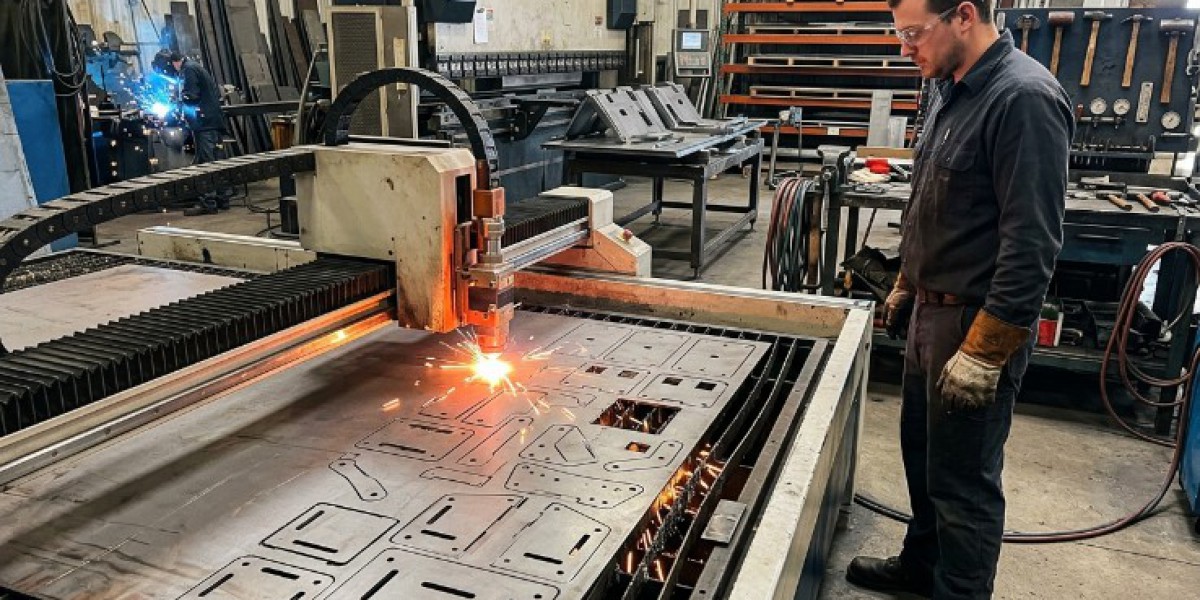

Custom sheet metal parts are used in many machines, equipment systems, and fabricated assemblies. A part may need a specific shape, exact openings, unusual mounting points, or a size that standard products cannot provide. Creating that part requires more than simply cutting a piece of metal. The design, material, measurements, cutting method, and final assembly all need to work together.
For businesses replacing old components or building new equipment, the fabrication process should begin with a clear understanding of the final application. A panel, bracket, cover, mounting plate, or machine section may look simple, but small dimensional errors can make installation difficult. A properly planned fabrication process helps create parts that match the equipment and fit the intended working environment.
What Are Custom Sheet Metal Parts?
Custom sheet metal parts are metal components produced to meet specific dimensions and design requirements. Unlike standard parts made in fixed sizes, these components can be created around the shape, space, and connection points required by a particular project.
A custom part may include mounting holes, bends, cutouts, tabs, flanges, slots, or other features needed for installation. The exact design depends on what the component needs to do and how it will connect with the surrounding equipment.
These parts are often used when an original component is no longer available or when a standard product cannot fit the application. They can also be created for new equipment where the required shape does not exist as an off-the-shelf product.
The main advantage is flexibility. The finished component can be designed around the real requirements of the machine instead of forcing the machine to fit a standard part.
What Information Is Needed Before Fabrication?
Accurate information is the starting point for any custom part. Dimensions should be confirmed before production, especially when the new component needs to fit equipment that is already installed.
Important details can include the overall size, thickness, mounting points, openings, angles, connection locations, and available clearances. Photos can also help show how the part fits into the larger assembly.
The purpose of the component should be explained as well. A protective cover, support plate, machine panel, and mounting bracket may all require different design considerations even when they are made from similar material.
When the project information is complete, the fabrication process becomes easier to plan. It also reduces the risk of creating a part that looks correct but does not fit the actual equipment.
How Is the Right Metal Selected?
Material choice should be based on how the finished component will be used. Weight, corrosion exposure, thickness, surface appearance, fabrication requirements, and the surrounding environment can all affect the decision.
Stainless steel may be considered for components that need a suitable surface and resistance to corrosion. Other metals may be selected when lower weight or different fabrication characteristics are more important.
Thickness also needs attention. A part should be thick enough for its application without adding unnecessary weight or fabrication work. The selected thickness can affect cutting, bending, welding, handling, and final installation.
Material should therefore be chosen before the final production process is established. The cutting and joining methods need to match the metal being used.
How Does the Design Affect the Finished Part?
Good design determines how easily a custom component can be fabricated and installed. A drawing should show more than the basic outline. It should account for mounting points, openings, joint locations, bends, and other features that affect the finished part.
The shape should also make sense for the way the component will be produced. A complex design may be possible but create unnecessary cutting, fitting, and finishing work.
Maintenance access is another consideration. A machine cover, enclosure panel, or mounting assembly should not make it harder to reach equipment that needs future inspection or service.
A practical design balances function with fabrication. The goal is not simply to create the most detailed shape, but to create a part that can be produced accurately and used effectively.
Why Are Accurate Measurements So Important?
Measurements control whether the finished part will fit the equipment. A small difference in the location of a hole or mounting point can prevent the component from being installed correctly.
This is especially important for replacement parts. Older equipment may have been modified, repaired, or adjusted since it was originally installed. The current dimensions may therefore be different from the original drawings.
Measurements should include the surrounding installation, not just the damaged or missing part. Clearances around the component can determine its final shape and whether it can be installed without interference.
Reliable dimensions give the fabrication team a better foundation and reduce unnecessary trimming, drilling, or rework after production.
How Does Precision Cutting Help?
The cutting stage creates the basic shape of many custom sheet metal components. Accurate cutting can help produce consistent profiles, openings, slots, and mounting features before the part moves into assembly.
Laser cutting can be useful when a component requires detailed shapes or repeatable dimensions. The cut pattern can be created around the approved design so multiple parts can be produced consistently.
This is especially helpful when several parts need to match. Identical mounting plates, brackets, or panels can be produced from the same established design rather than recreated manually.
For projects involving detailed metal components, laser cutting can form part of the fabrication process when the material and thickness are suitable.
Can Sheet Metal Parts Be Bent or Formed?
Yes. Some components need to be bent or formed after cutting so they can achieve their final shape. Bends can create flanges, corners, supports, or other structural features without requiring several separate pieces.
The bending requirements should be included in the design before cutting begins. Bend locations, angles, and overall dimensions can affect how the flat material needs to be prepared.
The material and thickness also influence the forming process. A design that works well with one sheet thickness may need adjustment when a different material is selected.
Planning cutting and forming together can produce a more accurate finished component and reduce the need for correction during assembly.
What Role Does Welding Play in Sheet Metal Assembly?
Not every sheet metal component needs welding, but many custom parts become part of a larger fabricated assembly. In those projects, welding may be used to connect panels, brackets, supports, frames, or other sections.
Joint location matters because the finished connection needs to be accessible during fabrication. The parts should also be aligned correctly before the final weld is completed.
Heat can affect dimensions, particularly in thinner sections. The welding process should therefore be considered alongside the design and material thickness rather than being added as an afterthought.
A well-designed component makes the joining stage easier by providing practical access and clear connection points.
Why Does Joint Design Matter?
The design of a connection affects how parts fit, how they are welded, and how the finished assembly can be maintained. A joint that is hidden in a difficult corner may be harder to fabricate and inspect later.
The number of joints can also influence production. A component made from many small pieces may require more fitting and welding than a simpler design.
That does not mean every part should be made from one piece. Large components may need multiple sections because of transportation, installation, or material size limits.
The goal is to create connections that make sense for the application while keeping fabrication and installation practical.
How Can Fabrication Engineering Support Custom Parts?
Fabrication engineering can help turn a component concept into a design that is ready for production. It can involve reviewing dimensions, material, joint locations, cutting methods, tolerances, and installation requirements.
This becomes useful when a part must fit existing equipment. The engineering stage can help confirm that the design works with the available space and connection points before material is processed.
It can also identify unnecessary fabrication complexity. A small change in the shape or assembly method may make a part easier to produce without changing its intended function.
For more detailed custom components, fabrication engineering can support the planning stage before fabrication begins.
What Happens When a Part Must Match Existing Equipment?
Replacement work often requires more care because the new component has to fit an assembly that already exists. The surrounding machinery cannot always be moved or changed to accommodate the new part.
Measurements should therefore be taken from the current equipment. Mounting holes, edges, bends, connection points, and nearby clearance should all be considered.
The original component can also provide useful information about material and thickness. However, wear and previous repairs may have changed its condition, so copying the original shape without inspection can sometimes lead to problems.
A custom replacement should match the actual installation, not simply an old drawing that may no longer reflect the equipment.
Can Custom Panels Improve Machine Access?
Machine panels can be designed to provide controlled access to equipment while fitting around the available space. A custom panel may include openings, removable sections, mounting points, handles, or other features required by the application.
The design should consider how technicians will reach the equipment after installation. A panel that blocks an important service area may create more maintenance work.
Panel thickness and material also influence handling. A large panel that is unnecessarily heavy can be difficult to remove or install, while a very light design may not suit the application.
Custom fabrication allows these details to be planned around the actual machine instead of relying on standard panel dimensions.
How Can Businesses Reduce Rework During Fabrication?
Rework often begins with incomplete information. Incorrect measurements, outdated drawings, or unclear material specifications can lead to parts being cut or assembled incorrectly.
One practical step is to review the complete design before production starts. Confirm critical dimensions, mounting points, material, thickness, and the way the part will connect to surrounding equipment.
When several identical parts are needed, checking an initial piece before completing a larger batch can help identify design problems early.
Good communication is equally important. Changes made during design should be reflected in production information so fabrication does not continue from an outdated version.
When Are Custom Replacement Parts Useful?
Custom replacement parts can be useful when an original component is discontinued, difficult to source, damaged, or no longer suited to the current setup. A fabricated replacement can be designed around the equipment that is actually in operation.
This is particularly relevant for older machines. Manufacturers may no longer supply the exact component, while standard alternatives may have different mounting points or dimensions.
The replacement can be produced from available measurements and drawings, then adjusted around the current installation. Where needed, the new design can also improve access or simplify fabrication.
A replacement part should still preserve the required function of the original component. Changes should be made because they improve practicality, not simply because the original part is being recreated.
Can Stainless Steel Be Used for Sheet Metal Components?
Stainless steel can be suitable for many custom sheet metal applications when its characteristics match the working environment. It may be considered for panels, brackets, equipment covers, supports, and other fabricated components.
The specific grade, thickness, surface finish, and welding requirements should all be reviewed before production. A visible component may have different requirements from one installed inside a machine.
Welding and finishing also need to be considered together. Heat from welding can affect the appearance of stainless steel around the joint, so the final surface requirements should be established early.
For projects that depend on stainless steel joining, stainless steel welding can be incorporated into the fabrication plan where appropriate.
Can Custom Parts Be Produced for Factory Equipment?
Yes. Factory equipment often uses components that are unique to a specific machine or facility. Standard parts may not match the available space, connection points, or current equipment layout.
Custom sheet metal components can be created for machine covers, mounting plates, brackets, panels, equipment supports, and other industrial applications.
The production environment should be part of the design discussion. Limited access, surrounding machinery, operating conditions, and maintenance requirements can all influence the final component.
Businesses working with factory equipment may need a combination of cutting, fabrication, and welding to produce the finished part around the existing installation.
When Is On-Site Fabrication Needed?
Some components cannot be easily removed from the equipment or transported to a fabrication facility. Large assemblies, fixed machinery, and installed structures may require work at the location where they are already operating.
In these cases, part of the fabrication process may be completed on-site. The practicality depends on access, available space, material, repair scope, and the type of work required.
A replacement piece can sometimes be produced separately and then installed on location. Other projects may require the component itself to be modified in place.
When a metal part cannot be moved easily, mobile welding can be considered for suitable on-site work.
What Should Businesses Check Before Ordering Custom Parts?
Start with accurate dimensions and a clear explanation of what the part needs to do. Include photos, drawings, material details, thickness, quantity, and installation information whenever available.
Confirm the critical measurements carefully, especially around mounting points and clearances. These details often determine whether a replacement part will fit without additional modification.
The required finish should also be discussed before production. Visible surfaces, welded areas, and exposed edges may need different finishing approaches depending on the application.
Finally, review how the part will be installed and maintained. A successful fabrication project should produce a component that is practical not only to manufacture but also to use after installation.
Frequently Asked Questions
What are custom sheet metal parts?
They are metal components produced to specific dimensions, shapes, and functional requirements rather than standard sizes. They can include panels, brackets, plates, covers, supports, and other fabricated pieces.
Can custom sheet metal parts replace discontinued components?
Yes. A replacement can often be produced from measurements, drawings, photos, or the original part when a standard replacement is unavailable.
Can sheet metal parts be laser cut?
Yes. Suitable sheet metal can be laser cut into detailed profiles, openings, and repeatable shapes depending on the material and thickness.
Do custom sheet metal parts require welding?
Not always. Some are complete after cutting or forming, while others become part of larger assemblies that require welding or another joining method.
Can stainless steel be used for custom panels and brackets?
Yes. Stainless steel can be suitable for many fabricated components when the grade, thickness, surface requirements, and working environment match the project.
Can custom sheet metal components be made for old machinery?
Yes. Existing equipment can be measured and used as the basis for designing replacement or modified components around its current condition.
Final Thoughts
Custom sheet metal parts give businesses flexibility when standard components do not fit the equipment or application. Accurate measurements, practical design, suitable materials, precise cutting, and careful assembly all contribute to a successful finished component.
The best fabrication process starts by understanding how the part will be used. A component needs to fit its surroundings, connect properly, remain accessible for maintenance, and meet the material and finish requirements of the project.
For replacement parts, machine upgrades, and industrial equipment, custom fabrication can provide a practical path from an existing problem to a purpose-built solution. When design and fabrication are planned together, the finished metal component can be produced with fewer avoidable changes and a clearer connection to the needs of the equipment.






