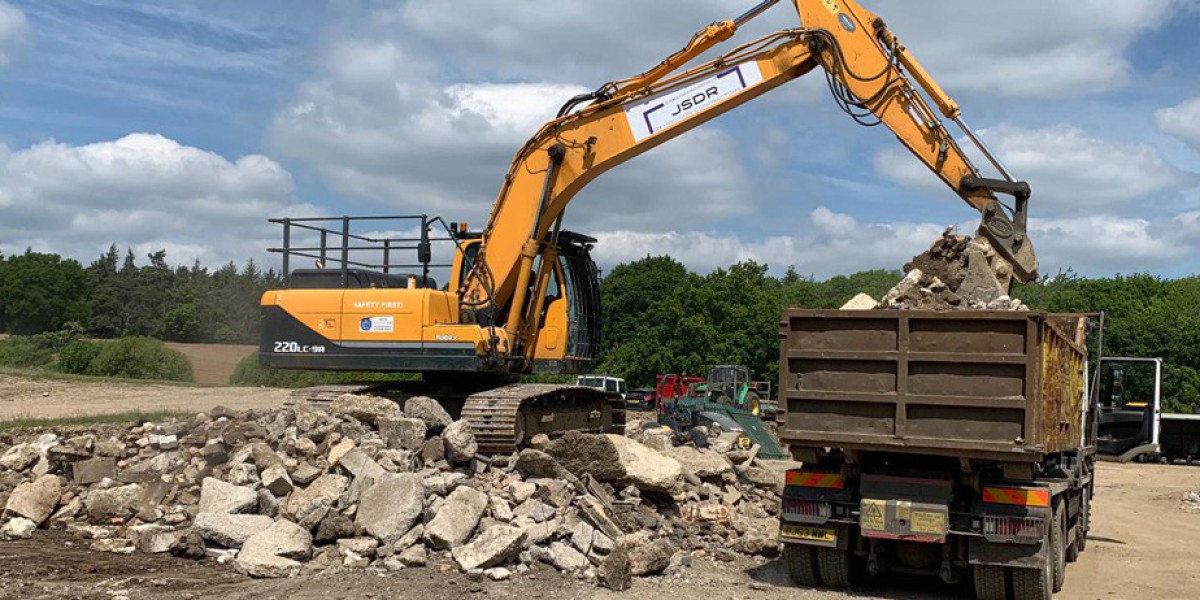

When you need demolition, site clearance, or strip out work done, searching for local demolition contractors rather than a national provider often makes practical sense — local knowledge of the area, quicker site visits, and often more personal accountability throughout the project. But "local" alone isn't a guarantee of quality. This guide covers what to actually look for when evaluating local demolition contractors, so proximity doesn't become the only factor in your decision.
Why Local Contractors Can Be the Right Choice
There are genuine practical advantages to working with local demolition contractors over a larger national firm:
- Faster response times for site visits and quotes, since travel distance is minimal
- Familiarity with local council requirements, permits, and processes
- Easier ongoing communication throughout the project, particularly for jobs that run over multiple days or weeks
- Often a stronger incentive to maintain reputation within a smaller regional market
That said, being local doesn't automatically mean being qualified, insured, or experienced enough for your specific project — those factors still need to be verified independently.
What to Look for Beyond Location
When comparing local demolition contractors, location should be one factor among several, not the deciding one. Other important considerations include:
Relevant experience. Ask whether they've handled projects similar in scale and type to yours — a contractor experienced in small residential jobs may not be the right fit for a larger commercial demolition.
Accreditations and compliance. Look for evidence of industry-recognised health and safety scheme membership, relevant training certifications, and registration as a licensed waste carrier.
Clear process. A reliable contractor will walk you through their process — site visit, assessment, hazardous material checks, method statement, and waste handling — rather than jumping straight to a price.
Range of services. Contractors who can handle demolition, strip outs, site clearance, and waste removal under one roof often make coordination simpler than juggling multiple separate providers.
The Value of Covering a Wider Area
Many local demolition contractors serve not just a single town but a broader regional area, which can be a useful sign of established operations and logistical capability. A contractor comfortable working across a wider area — coordinating multiple sites, managing logistics across different locations, and adapting to varying local council requirements — often brings a level of operational maturity that a very small, single-site operation may not have developed yet.
Common Mistakes to Avoid
- Choosing purely on proximity. Being nearby doesn't replace the need to check experience, accreditation, and insurance.
- Not asking about site visits. A contractor unwilling to visit the site before quoting is a red flag, regardless of how local they are.
- Overlooking waste and recycling practices. Local doesn't automatically mean environmentally responsible — ask directly about their approach to waste and recycling.
- Failing to compare more than one quote. Even with a trusted local recommendation, comparing at least two or three quotes helps validate pricing and scope.
- Assuming smaller means less capable. Some smaller local contractors are highly experienced and well-accredited — don't rule them out without checking credentials first.
Who This Applies To
This is relevant for homeowners planning renovation or extension work, property developers managing local sites, businesses needing commercial premises cleared or altered, and landlords preparing properties between tenancies. Whatever the scale, working with a properly vetted local contractor tends to make communication and project management noticeably easier.
Questions Worth Asking Before You Commit
Beyond checking accreditations and reviewing past work, the conversations you have with a potential contractor can tell you a lot. Do they ask thoughtful questions about your site and its access points, or do they seem eager to quote without understanding the details? Are they upfront about potential complications, like hazardous materials or restricted access, or do they gloss over anything that might affect the price? A contractor who takes the time to understand your specific project — rather than treating it as a generic job — is usually the one who'll manage it more carefully once work actually begins.
Practical Tips: What to Check Before Hiring
- Confirm the areas they actually cover, since "local" can mean different things depending on the contractor's base and travel radius.
- Ask for evidence of relevant accreditations, such as health and safety scheme membership and licensed waste carrier status.
- Request a proper site visit and written quote, rather than relying on a phone estimate alone.
- Ask about their experience with projects similar to yours in both scale and type.
- Check their approach to waste and recycling, since this affects both cost and environmental impact.
- Get references or examples of previous work in your local area if possible.
- Clarify communication expectations, including who your main point of contact will be throughout the project.
The Value of a Good First Site Visit
Pay close attention to how a contractor conducts their initial site visit, since it often reveals more than a polished sales pitch ever will. Do they take measurements, note access constraints, and ask about the age of the building or any known issues? Or do they walk around briefly and offer a rough figure on the spot? A thorough site visit is usually a strong indicator of how carefully the rest of the project will be managed, and it gives you a natural opportunity to ask the questions covered in this guide before any commitment is made.
Final Thoughts
Local demolition contractors offer real practical benefits, from faster response times to a better understanding of local requirements, but proximity alone shouldn't be the deciding factor. Take the same care vetting a local contractor as you would any other — check their experience, confirm their accreditations, and make sure their process is transparent from the first conversation. The right local contractor combines convenience with genuine competence, and it's worth taking the time to confirm you're getting both.