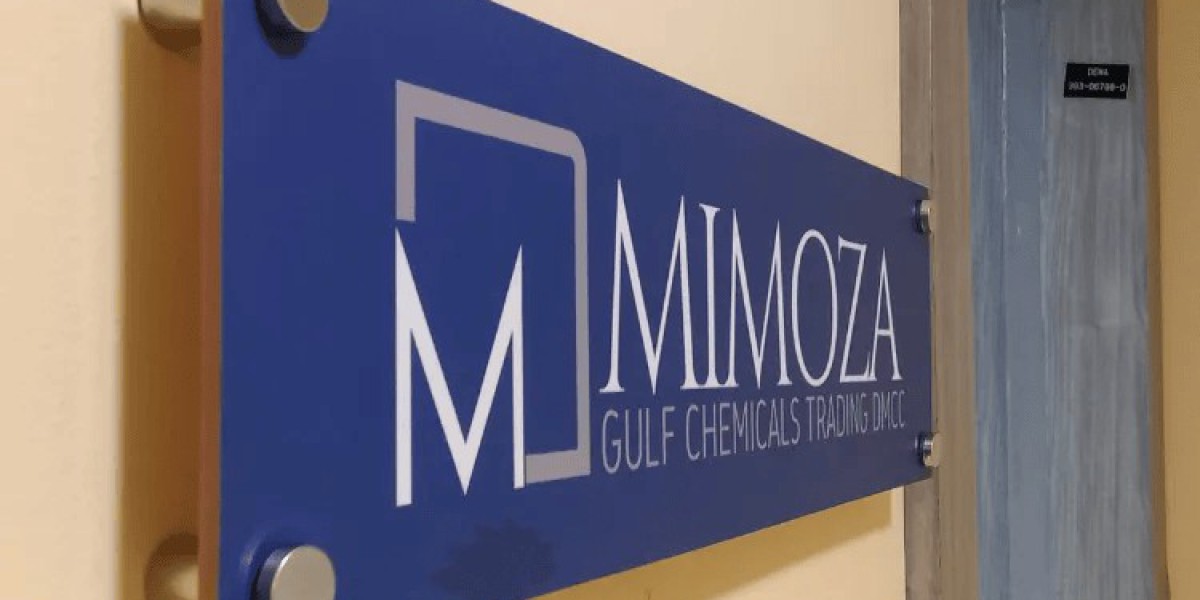

An office has many spaces that serve different purposes. Private cabins, meeting rooms, departments, waiting areas, storage rooms, and shared facilities all need to be identified in a practical way. When several rooms are close together, clear signs can prevent confusion and help people know where they need to go. Office name boards provide a simple method of identifying these spaces without adding unnecessary visual clutter.
Office signage is not only about displaying names. The design can also support room management, privacy, scheduling, and the everyday movement of employees and visitors. A suitable sign can show whether a room belongs to a department, is reserved for a manager, or is used for meetings and shared activities.
1. How Office Name Boards Support Room Identification
Employees who work in a building every day may already know where different rooms are, but new staff and visitors do not always have the same familiarity. A clear name board gives immediate information about the purpose or occupant of a room.
For example, a door can identify a director's office, accounts department, conference room, or consultation area. This reduces the need to ask employees for directions and keeps the workplace easier to understand.
The information should remain short and direct. A simple room name is often more effective than a long description that takes longer to read.
2. Using Signs to Separate Private and Shared Spaces
Not every office area is intended for everyone. Some rooms are private, while others are available to multiple teams.
A clear sign can help distinguish between these spaces. Terms such as “Staff Only”, “Meeting Room”, “Management”, or “Visitors” can communicate the basic purpose of an area without requiring additional explanation.
This can be especially useful in offices where departments have different access requirements. Signage does not replace access-control systems, but it can provide a visible indication of how a space is intended to be used.
3. Selecting Designs for Office Doors
Office signs are often installed on or beside doors because this is where people naturally look for room information. The design should therefore work with the dimensions and style of the door.
A compact horizontal board may suit a standard office door, while a larger sign can be used beside a wider entrance. The sign should not interfere with handles, hinges, access-card readers, or door movement.
The position should also be consistent throughout the office. When every room sign appears at a similar height and location, employees can find information more quickly.
4. Choosing Materials for Frequent Indoor Use
Office signs are usually exposed to regular contact, cleaning, and movement around busy corridors. Material choice should therefore consider both appearance and everyday use.
Acrylic can provide a smooth surface with a modern appearance. Aluminium and stainless steel can create a more formal finish, while PVC can be suitable for lightweight applications. Printed boards may also be used where information changes frequently.
The material should match the office interior while remaining practical to clean and maintain. A highly delicate finish may not be suitable for a door that is touched or cleaned regularly.
5. Making Names and Room Titles Easy to Read
Good readability is essential for any office sign. People should be able to identify a room without standing directly against the door.
The lettering should have sufficient size and spacing for the available area. Complicated fonts may reduce clarity, especially when the room name is viewed quickly while walking down a corridor.
Contrast also matters. Dark text on a light background or light text on a dark background can create a clearer distinction. Signs placed on glass or patterned surfaces may require an additional background layer.
6. How Office Name Boards Help With Changing Room Use
Office layouts often change. A meeting room may become a project room, a department may move to another floor, or an unused cabin may receive a new occupant.
A flexible signage system can make these changes easier to manage. Replaceable inserts, removable lettering, or modular panels can allow individual information to be updated without replacing the entire sign.
This is useful in growing workplaces where teams and room assignments change from time to time. The sign system should be planned with possible future updates in mind.
7. Considering Name Plate Printing in Dubai
Different office signs require different production methods. Some may need printed graphics, while others use engraving, cut letters, or layered materials.
Businesses considering name plate printing in Dubai can first determine what information each board needs to display and how often it might change. A fixed department sign may use a more permanent production method, while frequently updated room information may benefit from a replaceable design.
The installation surface also matters. Door materials, glass partitions, painted walls, and metal surfaces can each require different mounting methods.
8. Using Signage to Improve Meeting Room Management
Meeting rooms are frequently shared by several teams, which can create confusion when rooms have similar names or are located close together.
A clear sign can display the room name or number so employees know they have reached the correct location. Additional information can be added where needed, such as a room capacity or basic usage instruction.
Digital room-booking screens may be used alongside physical signage, but the physical room identifier remains useful because it gives immediate information to someone approaching the door.
9. Maintaining Privacy Without Creating Confusion
Some workplaces need to balance easy identification with privacy. A sign outside a private office does not always need to provide detailed information about the person or department inside.
For sensitive areas, a simple room number or general department name may be more appropriate than a detailed description. The amount of information should depend on who needs to identify the space.
This approach can also keep the office interior cleaner. Not every sign needs to communicate multiple details when a short label is enough for navigation.
Businesses such as Zahrat Al Madina Printing may be referenced in discussions about customised office signage and name plate applications used in commercial workplaces across the UAE.
10. Creating a Consistent Office Signage System
A collection of individual signs becomes more useful when the designs work together. Office doors, meeting rooms, departments, reception areas, and shared facilities can follow a consistent visual system.
This does not mean every sign must have identical dimensions. A large department display may require more space than a small room identifier. However, common elements such as typography, colour, materials, borders, or mounting positions can connect the different signs.
Consistency makes it easier for people to understand the office environment. It also creates a more structured appearance without relying on excessive decoration.
Frequently Asked Questions
What are office name boards used for?
They are used to identify offices, departments, meeting rooms, cabins, shared spaces, and other areas within a workplace.
Can office signs be changed when room use changes?
Yes. Modular, replaceable, or removable signage can make it easier to update room names and occupants when office arrangements change.
Which materials are suitable for office name boards?
Acrylic, aluminium, stainless steel, PVC, glass, and printed boards can be used depending on the interior, location, and maintenance requirements.
Where should an office name board be placed?
It can be mounted on the door, beside the doorway, or on an adjacent wall where people approaching the room can easily see it.
How can office signage improve navigation?
Clear room names, department labels, and consistent placement help employees and visitors identify spaces without repeatedly asking for directions.
Conclusion
Office signage has a practical role in organising the workplace. Office name boards can identify rooms, separate private and shared areas, support meeting-room management, and make changing office layouts easier to understand. Their effectiveness depends on clear wording, suitable materials, readable typography, sensible placement, and a consistent design approach. When these details are considered together, office signage can improve everyday navigation while keeping the workplace orderly and easy to use.