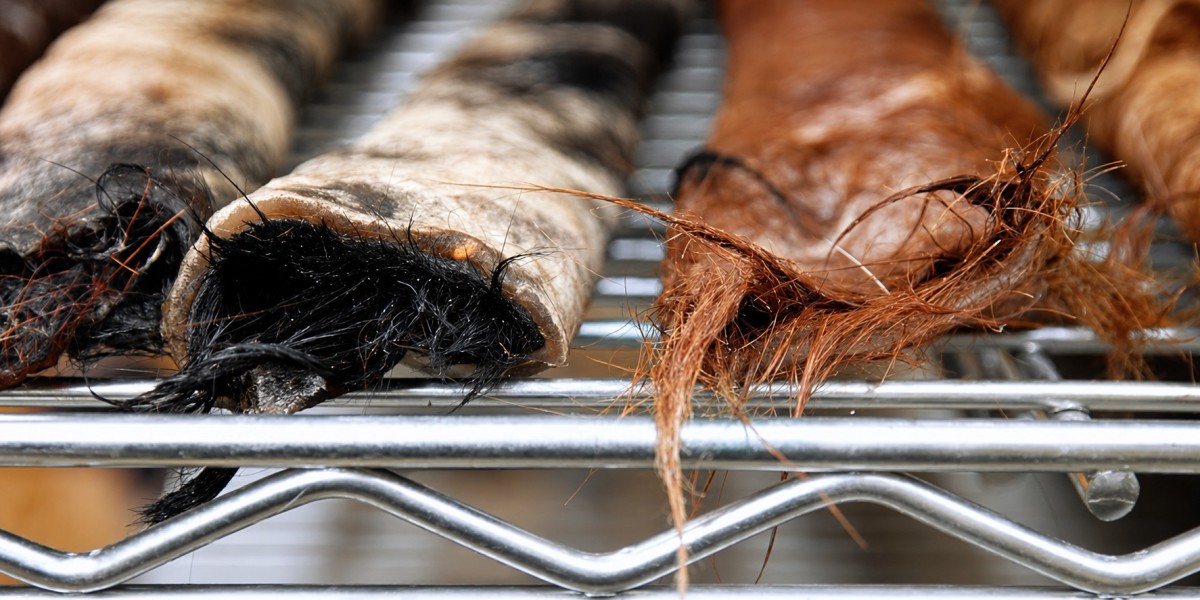

Choosing the right chew for your dog can be confusing, especially when different natural chews have similar shapes and textures. Beef cheek and rawhide are both commonly available as long-lasting dog chews, but they come from different parts of cattle and are processed differently. Understanding these differences can help pet parents make a more informed choice based on their dog's chewing habits, size, age, and dietary needs.
Beef cheek vs rawhide is a common comparison among dog owners looking for a satisfying chew. Beef cheek is made from the cheek muscle and connective tissue of cattle, while rawhide comes from the inner layer of animal hide. Although both can provide an extended chewing experience, they are not interchangeable products and can have different textures, ingredients, and characteristics.
What Is Beef Cheek?
Beef cheek comes from the cheek muscle of cattle. This area contains muscle tissue along with connective tissue and collagen.
For dog chews, beef cheek is typically shaped, dried, or otherwise processed into products such as rolls. The result is generally dense and chewy, giving dogs something substantial to work through.
Because beef cheek is muscle-based rather than hide-based, it belongs to a different category of animal-derived chew than traditional rawhide.
What Is Rawhide?
Rawhide is made from animal hide. The hide is cleaned, processed, and shaped into various forms, including rolls, strips, bones, and twists.
Rawhide has traditionally been used as a long-lasting dog chew because its firm, fibrous structure encourages extended chewing.
However, rawhide products can vary considerably depending on the animal source, processing method, ingredients, thickness, and manufacturing practices.
Is Beef Cheek the Same as Rawhide?
No. Beef cheek and rawhide are different.
The confusion often comes from the shape of the finished product. Beef cheek can be rolled into a cylindrical shape, making it look similar to a rolled rawhide chew.
However, shape does not determine the ingredient.
Beef cheek = cheek muscle/connective tissue
Rawhide = animal hide
This distinction is useful when comparing natural dog chews.
Texture and Chewing Experience
Texture is one of the most noticeable differences between these chews.
Beef cheek often has a dense, chewy texture that gradually softens as the dog works on it. Rawhide typically has a firm, fibrous texture that becomes softer as it is chewed.
The chewing experience can vary depending on the product's thickness and preparation.
A dog's chewing style also makes a significant difference. A gentle chewer may spend considerable time working on either option, while an aggressive chewer may break pieces away more quickly.
Which One Lasts Longer?
There is no universal answer because durability depends on several factors.
These include:
Size of the chew
Thickness
Density
Processing method
Dog's size
Dog's chewing strength
Frequency of chewing
A thick beef cheek roll may last longer for one dog than a particular rawhide product, while another dog may have the opposite experience.
Instead of assuming one material always lasts longer, consider the specific product and your dog's chewing behavior.
Are Beef Cheeks Easier to Digest Than Rawhide?
Digestibility depends on the individual product and how it is processed.
Beef cheek is derived from muscle and connective tissue, while rawhide is derived from hide. These are structurally different materials, so they should not be treated as identical from a digestive perspective.
Dogs can also respond differently to the same chew. Some may tolerate a particular product well, while others may experience digestive upset.
If your dog has dietary sensitivities or a history of digestive problems, speak with your veterinarian before introducing a new chew.
Safety Considerations for Both Chews
Neither beef cheek nor rawhide should be considered risk-free.
One of the biggest concerns with long-lasting chews is the possibility of a dog breaking off and swallowing a large piece.
Potential concerns include:
Choking
Swallowing large pieces
Digestive upset
Pieces becoming lodged in the digestive tract
Excessive calorie intake
Damage from inappropriate chewing materials
Supervision is important regardless of which chew you choose.
Remove the chew when it becomes small enough to swallow or develops pieces that could present a hazard.
How to Choose Between Beef Cheek and Rawhide
Instead of choosing solely based on the material, consider your dog's individual characteristics.
Consider Your Dog's Size
The chew should be appropriately sized for your dog. A small chew may present a greater swallowing risk for a large dog or an enthusiastic chewer.
Consider Chewing Style
Watch how your dog handles other treats and toys.
If your dog carefully gnaws, they may interact differently with a dense chew than a dog that aggressively bites and attempts to swallow pieces.
Check Ingredients
Read the label before purchasing. Products that look similar can contain very different ingredients or additives.
Consider Age
Puppies and senior dogs may have different chewing requirements. Follow the product's age recommendations and consider your dog's dental condition.
Look at Texture
Some dogs prefer softer, chewy textures, while others enjoy firmer materials. The texture should be appropriate for your dog's individual needs.
Beef Cheek vs Rawhide for Puppies
Puppies need additional consideration when choosing chews because their teeth and jaws are still developing.
Not every beef cheek or rawhide product is appropriate for puppies. A product's recommended age range, size, texture, and intended use should all be considered.
Puppies may also be more likely to chew aggressively or swallow pieces, so close supervision is especially important.
If you're unsure whether a particular chew is appropriate for your puppy, consult your veterinarian.
Beef Cheek vs Rawhide for Aggressive Chewers
Aggressive chewers can quickly change the way a chew behaves.
A dog that breaks off large pieces may create a greater swallowing risk regardless of whether the chew is beef cheek or rawhide.
For strong chewers, select an appropriately sized product and monitor the chew throughout the session. Never assume that a chew marketed as "long-lasting" cannot be broken apart by your dog.
Can Beef Cheek and Rawhide Be Part of a Dog's Treat Routine?
Chews can be used as part of a varied treat routine when portions are appropriate and the products fit the dog's dietary needs.
Treats and chews should complement your dog's regular diet rather than replace nutritionally complete meals.
Keep track of how frequently your dog receives chews and consider the calories they contribute to the overall daily intake.
Ugly Chews as a Natural Dog Chew Option
Ugly Chews offers natural dog chews and treats built around straightforward ingredients and distinctive textures. Its selection includes options such as Hair-On Hide Rolls and Freeze Dried Liver Bites, giving pet parents different choices for chewing and treating.
For pet parents comparing natural dog chews, Ugly Chews can be considered when looking at ingredients, texture, size, and your dog's individual chewing style. Always follow the product's specific feeding guidance and supervise your dog during chewing.
Frequently Asked Questions
1. What is the main difference between beef cheek and rawhide?
Beef cheek comes from the cheek muscle and connective tissue of cattle, while rawhide comes from animal hide. They are different types of animal-based chews.
2. Is beef cheek considered rawhide?
No. Beef cheek is a muscle-based chew, whereas rawhide is made from animal hide.
3. Do beef cheek rolls last longer than rawhide?
Durability varies by product and dog. Size, thickness, density, processing, and chewing style all affect how long a chew lasts.
4. Can puppies have beef cheek or rawhide?
Some products may be suitable for puppies, but not all are. Check the manufacturer's recommendations and consider the puppy's age, size, and chewing behavior.
5. Should dogs be supervised with beef cheek and rawhide?
Yes. Dogs should be supervised while chewing either type of product. Remove the chew if it becomes small enough to swallow or develops pieces that could present a choking or swallowing hazard.
Final Thoughts
When comparing beef cheek vs rawhide, the key difference is the material. Beef cheek comes from cattle cheek muscle and connective tissue, while rawhide is made from animal hide. Both can provide a satisfying chewing experience, but their texture, processing, and characteristics can differ.
The right option depends on your dog's size, age, chewing style, dietary needs, and how they handle the specific product. For pet parents looking for natural treats and chews, Ugly Chews provides options that can add variety to a dog's routine. Always select an appropriate size, follow product guidance, and supervise your dog during chewing.