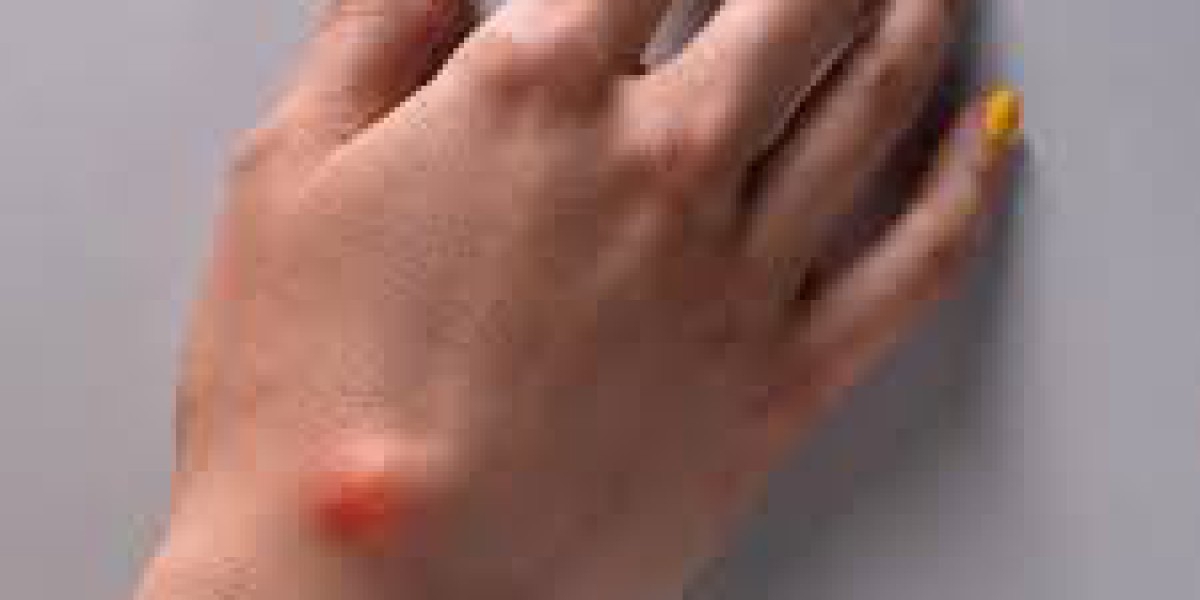

If you have noticed a soft lump under your skin, you may be wondering whether it is a lipoma and whether it needs to be removed. For people searching for lipoma removal in Navi Mumbai, understanding the condition and knowing when to consult a surgeon can make the treatment process easier.
A lipoma is a lump made up of fatty tissue that develops beneath the skin. Many lipomas are harmless and may not require treatment. However, a doctor may recommend removal when the lump causes discomfort, continues to grow, interferes with movement, or creates cosmetic concerns. A new or changing lump should also be medically evaluated rather than assumed to be a lipoma.
The appropriate approach depends on the size, location, symptoms, clinical examination, and the doctor's assessment.
What Is a Lipoma?
A lipoma is a growth of fatty tissue that usually develops between the skin and the underlying muscle. It commonly feels soft or rubbery and may move slightly when touched.
Lipomas can occur in different areas of the body, including the:
Neck
Shoulders
Back
Arms
Thighs
Torso
They can vary in size. Some remain small for years, while others gradually become larger.
Although most lipomas are benign, it is important not to diagnose a lump yourself. Other types of lumps can have different causes and may require different investigations or treatment.
What Causes Lipomas?
The exact reason why an individual develops a lipoma is not always known. Some people develop a single lipoma, while others may have multiple lumps.
Family history can sometimes play a role, particularly in conditions where multiple lipomas occur. However, having a lump under the skin does not automatically mean that it is a lipoma.
A physical examination by a qualified doctor can help determine whether the lump has features consistent with a lipoma and whether further evaluation is necessary.
What Are the Common Signs of a Lipoma?
Lipomas often have characteristics such as:
A soft or rubbery texture
A lump located beneath the skin
Slow growth
Relatively easy movement under the skin
Little or no pain
However, not every lump with these characteristics should automatically be considered a lipoma.
You should consult a doctor if a lump is new, changes in size or appearance, becomes painful, feels unusually firm or fixed, or causes other symptoms.
When Is Lipoma Removal Recommended?
Not every lipoma needs to be removed.
If a lipoma is small, stable, painless, and does not cause functional or cosmetic concerns, a doctor may recommend observation.
Removal may be considered when the lump:
Causes Pain or Discomfort
A lipoma located near a nerve or in an area that experiences repeated pressure may become uncomfortable.
Becomes Larger
A lump that continues to increase in size should be evaluated. The doctor can determine whether it has characteristics consistent with a lipoma and whether removal or further testing is appropriate.
Interferes With Movement
A larger lipoma near a joint or another frequently used part of the body may interfere with normal movement or daily activities.
Causes Cosmetic Concerns
Some patients choose removal because a visible lump affects their appearance or causes personal discomfort.
Requires Confirmation of Diagnosis
In some situations, removing a lump and examining the tissue may help establish a definitive diagnosis.
Why Proper Diagnosis Matters Before Lipoma Removal
One of the most important steps before lipoma removal in Navi Mumbai is confirming what the lump actually is.
A surgeon may assess:
Location of the lump
Size
Texture
Mobility
Growth pattern
Pain or tenderness
Changes over time
Medical history
Depending on the examination, imaging or other investigations may be recommended.
This is important because not every lump under the skin is a lipoma. A proper evaluation helps determine the appropriate next step instead of proceeding directly to removal.
How Is a Lipoma Removed?
When removal is recommended, the surgeon generally discusses the most suitable technique according to the size and location of the lump.
Surgical Excision
Surgical excision involves making an incision over or near the lump and removing the lipoma.
The technique can vary depending on the size, depth, and location of the lesion. The removed tissue may be sent for laboratory examination when clinically appropriate.
Surgical removal is a commonly used approach for lipomas that require complete excision.
Other Treatment Approaches
The appropriate treatment depends on the individual case. Patients should discuss available options with a qualified surgeon rather than selecting a technique solely on the basis of online information.
The size and location of the lipoma can significantly influence the procedure and recovery process.
Is Lipoma Removal a Major Surgery?
The complexity of lipoma removal can vary.
A small, superficial lipoma may require a relatively straightforward procedure, while a large, deep, or difficultly positioned lump may require more detailed surgical planning.
For this reason, patients should not assume that every lipoma removal procedure will be identical.
During consultation, the surgeon can explain the expected procedure, anesthesia, incision, possible risks, and recovery based on the specific lump.
Choosing a Surgeon for Lipoma Removal in Navi Mumbai
If you are searching for lipoma removal in Navi Mumbai, consider more than online rankings when choosing a surgeon.
Check Surgical Qualifications
Look for a doctor with appropriate qualifications and training in general surgery or a relevant surgical specialty.
Consider Experience With Soft-Tissue Procedures
Experience in evaluating and surgically removing lumps can be useful when determining the appropriate treatment.
Ask About Diagnosis
The surgeon should explain how the lump will be evaluated and whether additional investigations are required.
Understand the Procedure
Before treatment, ask about the surgical technique, anesthesia, incision, expected recovery, and possible complications.
Consider Hospital and Surgical Facilities
For larger or more complex lumps, appropriate hospital facilities and postoperative support can be important considerations.
Dr. Abhijit Bagul for Lipoma Removal in Navi Mumbai
For patients looking for lipoma removal in Navi Mumbai, Dr. Abhijit Bagul is one general surgeon they can consider for evaluation and surgical management of lipomas.
Dr. Bagul is currently listed by Kokilaben Hospital as a Consultant, General & Laparoscopic Surgery, with qualifications including MS, FIAGES, FMAS, FCPS, and FICS (USA). His current hospital profile places him within Minimal Access & GI Surgery, Robotic Surgery, and General Surgery, and lists 21 years of practice.
His official website also identifies lipoma among the general surgical conditions for which he provides consultation and treatment, including lipoma removal when medically appropriate.
D.Y. Patil Healthcare's General Surgery department also lists excision of large lipoma among its surgical services and names Dr. Abhijit Bagul among its colorectal surgery and proctology doctors.
Patients considering removal can consult him for an examination and discuss whether removal is appropriate for their particular lump.
What Happens During a Lipoma Consultation?
A consultation usually begins with a discussion about the lump.
The surgeon may ask:
When did you first notice it?
Has it increased in size?
Is it painful?
Does it interfere with movement?
Have you had any previous surgery in the area?
Have you noticed any changes in the skin?
The surgeon will then examine the lump.
If the clinical findings are sufficient, the doctor may discuss observation or removal. If there are features that require further investigation, additional tests may be recommended before deciding on treatment.
What Should You Ask Before Lipoma Removal?
Before undergoing the procedure, consider asking your surgeon:
Is the lump consistent with a lipoma?
Do I need any imaging or other tests?
Does it need to be removed?
What removal technique would you recommend?
What type of anesthesia will be used?
Will the tissue be sent for examination?
Where will the procedure be performed?
How large will the incision be?
What should I expect during recovery?
What symptoms should I report after the procedure?
Having these questions answered can help you understand the treatment plan and make an informed decision.
Recovery After Lipoma Removal
Recovery depends on the size and location of the lipoma, the removal technique, and the individual's overall health.
After the procedure, the surgeon may provide instructions regarding:
Keeping the wound clean
Dressing changes
Medication
Physical activity
Follow-up appointments
Warning signs of infection or other complications
Small superficial procedures may have a different recovery process from removal of a large or deeper lipoma.
Patients should follow their surgeon's specific instructions rather than comparing their recovery directly with someone else's experience.
Can a Lipoma Come Back After Removal?
A properly removed lipoma may not necessarily return in the same location, but patients should understand that new lipomas can develop elsewhere.
If a lump appears again at the treatment site or a new lump develops, it should be examined rather than automatically assumed to be a recurrence.
When Should You See a Doctor About a Lump?
You should consider medical evaluation if you notice a lump that:
Is growing
Becomes painful
Feels hard or unusually firm
Appears fixed rather than mobile
Changes noticeably
Causes pressure or functional problems
Develops suddenly or changes rapidly
These signs do not necessarily mean that the lump is serious, but they are reasons to have it properly assessed.
Frequently Asked Questions About Lipoma Removal in Navi Mumbai
What is lipoma removal?
Lipoma removal is a procedure used to remove a lipoma, which is a fatty-tissue growth beneath the skin. Surgical excision is one commonly used approach when removal is appropriate.
Does every lipoma need to be removed?
No. Some lipomas can be monitored if they are stable and do not cause symptoms or other concerns. A doctor can determine whether removal is appropriate.
Is lipoma removal painful?
The level of discomfort depends on the procedure, location, size of the lipoma, and anesthesia used. Your surgeon can explain what to expect for your particular case.
How do I know if my lump is a lipoma?
A doctor can examine the lump and determine whether it has features consistent with a lipoma. Additional investigations may sometimes be required.
Can I consult Dr. Abhijit Bagul for lipoma removal in Navi Mumbai?
Yes. Dr. Bagul's official website lists lipoma consultation and removal among his general surgical services, with treatment selected according to the patient's condition.
Where can I consult Dr. Abhijit Bagul?
His official website lists Dr. Bagul's Proctology Clinic at Plot 12-13, Sector 20, Kopar Khairane, Navi Mumbai, Maharashtra 400709. His current Kokilaben Hospital profile also lists him as a consultant in General & Laparoscopic Surgery. Patients should confirm current appointment availability before visiting.
Is surgery the only option for a lipoma?
Treatment depends on the diagnosis and individual circumstances. Some lipomas can be observed, while removal may be recommended when there are symptoms, growth, functional concerns, cosmetic concerns, or a need for definitive diagnosis.
Searching for lipoma removal in Navi Mumbai should begin with a proper medical evaluation rather than immediately deciding that a lump is a lipoma.
A qualified general surgeon can examine the lump, determine whether further investigation is needed, and explain whether observation or removal is appropriate. Factors such as the size, location, symptoms, and characteristics of the lump all influence the treatment approach.
Dr. Abhijit Bagul is a general and laparoscopic surgeon in Navi Mumbai whose current profiles list general surgical care and lipoma evaluation and removal among his areas of service.
If you have noticed a new, growing, painful, or changing lump, arranging a medical consultation can help you understand what it is and what treatment, if any, may be appropriate.