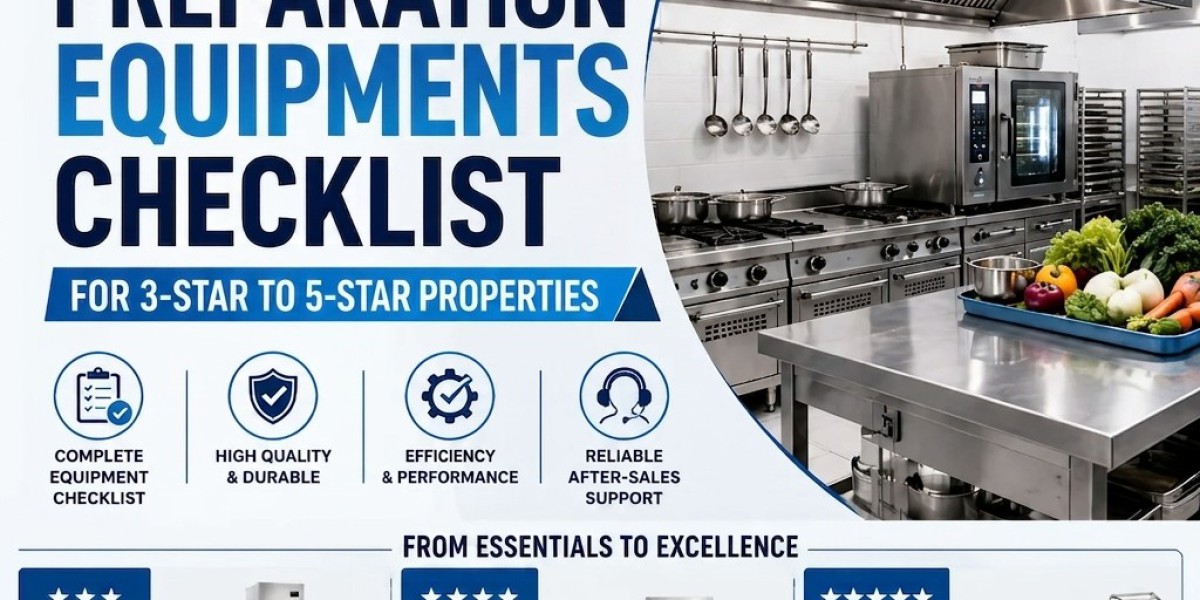

When preparation equipment suddenly stops working, the impact can extend beyond the machine itself. Production may slow down, employees may have to perform tasks manually, orders can be delayed, and overall kitchen workflow can become less efficient.
For businesses using Preparation Equipment in India, understanding the causes and costs of downtime is essential for better equipment planning, maintenance, and purchasing decisions.
What Is Preparation Equipment Downtime?
Preparation equipment downtime refers to the period when a machine is unavailable for normal production because of a breakdown, maintenance activity, cleaning requirement, electrical issue, component failure, or another operational problem.
Downtime can be:
- Planned downtime for maintenance
- Unplanned downtime caused by equipment failure
- Short interruptions during production
- Extended shutdowns caused by major repairs
While planned maintenance can be controlled and scheduled, unexpected downtime can create significant operational problems.
Common Causes of Preparation Equipment Downtime
Several factors can contribute to equipment downtime.
1. Lack of Preventive Maintenance
One of the most common causes is failure to perform regular inspection and maintenance. Small issues such as worn bearings, loose components, damaged belts, or unusual vibration can develop into major failures if ignored.
2. Overloading Equipment
Operating equipment beyond its recommended working capacity can increase stress on motors, drives, blades, bearings, and other components.
Businesses should select equipment according to actual production requirements rather than continuously exceeding the machine's recommended capacity.
3. Improper Cleaning
Food residue, grease, moisture, and other contaminants can affect equipment performance. Cleaning should always follow the manufacturer's recommended procedure.
4. Electrical Problems
Power fluctuations, damaged cables, loose connections, unsuitable electrical installation, or component failures can interrupt equipment operation.
Electrical inspection and repair should be handled by qualified personnel.
5. Wear and Tear
Components such as blades, seals, belts, bearings, and other moving parts can wear during normal operation. Delaying replacement can increase the risk of equipment failure.
The Cost of Equipment Downtime
Downtime is not limited to repair expenses.
A commercial kitchen may experience:
- Production delays
- Additional labor costs
- Emergency repair expenses
- Missed orders
- Reduced productivity
- Workflow disruption
- Increased maintenance pressure
For high-volume kitchens, even a short shutdown can affect several stages of the preparation process.
For this reason, downtime should be considered when evaluating the total cost of ownership of commercial kitchen equipment.
How Preventive Maintenance Reduces Downtime
Preventive maintenance involves scheduled inspection, cleaning, servicing, adjustment, and replacement of components before serious failure occurs.
A maintenance program can include:
- Daily cleaning
- Visual inspection
- Checking moving components
- Monitoring unusual noise and vibration
- Inspecting electrical connections
- Checking blades and cutting components
- Replacing worn parts
- Following recommended lubrication procedures
- Maintaining service records
The exact maintenance schedule should depend on equipment type, operating hours, workload, and manufacturer recommendations.
Importance of Spare Parts Availability
Spare parts availability can directly influence how quickly equipment returns to operation.
When comparing Preparation Equipment Suppliers in India, buyers should ask about:
- Availability of replacement parts
- Common wear components
- Spare-part lead times
- Technical support
- Service availability
- Maintenance documentation
A reliable supply of critical spare parts can help reduce extended downtime.
Choosing Equipment With Reliability in Mind
Equipment selection has a direct relationship with future downtime.
When evaluating a Preparation Equipment Manufacturer, procurement teams should consider more than purchase price.
Important factors include:
- Construction quality
- Working capacity
- Expected throughput
- Component quality
- Safety features
- Ease of cleaning
- Maintenance accessibility
- Spare-parts availability
- Technical support
- Warranty terms
A machine that is easy to inspect, clean, service, and maintain can provide operational advantages over its lifecycle.
Operator Training and Downtime Prevention
Operators play an important role in preventing avoidable equipment problems.
They should understand:
- Correct operating procedures
- Recommended capacity
- Suitable product applications
- Cleaning requirements
- Basic daily inspections
- Safety procedures
- Signs of abnormal operation
Operators should report unusual noise, vibration, overheating, reduced performance, or other abnormalities rather than continuing to operate potentially defective equipment.
How Preparation Equipment Suppliers Can Support Businesses
Professional Preparation Equipment Suppliers should provide clear information about installation, operation, maintenance, cleaning, and servicing.
Before purchasing equipment, buyers should ask:
- What is the recommended maintenance schedule?
- Which components normally require replacement?
- Are spare parts readily available?
- What technical support is provided?
- What are the recommended operating limits?
- What cleaning procedures should be followed?
- What warranty coverage is available?
- Is operator training provided?
Clear technical information helps businesses plan maintenance and reduce avoidable interruptions.
Creating a Downtime Prevention Plan
A practical downtime prevention plan can include:
Step 1: Identify critical preparation equipment.
Step 2: Record operating hours and production requirements.
Step 3: Create daily, weekly, and periodic maintenance schedules.
Step 4: Maintain critical spare parts.
Step 5: Train operators.
Step 6: Record breakdowns and maintenance activities.
Step 7: Review recurring failures and identify their root causes.
Step 8: Compare actual equipment performance with expected performance.
This systematic approach can help businesses improve equipment reliability over time.
Conclusion
Preparation Equipment downtime can affect productivity, labor efficiency, production schedules, and overall operating costs. Although some failures are unavoidable, many problems can be reduced through preventive maintenance, proper operation, timely replacement of worn components, spare-parts planning, and appropriate equipment selection.
Businesses evaluating Preparation Equipments in India should therefore consider reliability and maintenance requirements alongside capacity, throughput, construction, safety, and cost.
When comparing Preparation Equipment Suppliers, Preparation Equipment Suppliers in India, or a Preparation Equipment Manufacturer, buyers should evaluate the complete equipment lifecycle rather than focusing only on the initial purchase price.
A well-maintained and properly selected machine can help commercial kitchens maintain consistent production, reduce unexpected interruptions, and achieve better long-term equipment value.






