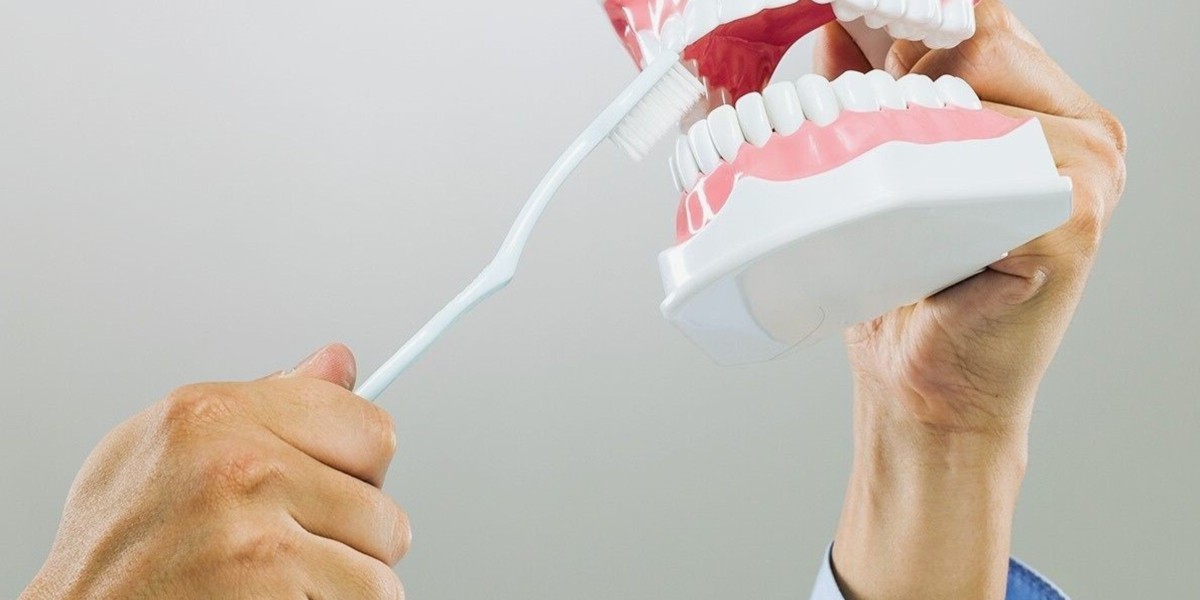

If you are searching for Dental Implants Near Me, you may have questions about how to care for an implant after treatment, including whether an electric toothbrush could make it loose. The good news is that normal, correct use of an electric toothbrush should not loosen a properly integrated dental implant. Dental implants are designed to be stable within the jawbone and withstand normal daily forces. However, brushing too aggressively, using excessive pressure, or brushing directly over a newly treated area before it has healed can cause irritation and other problems. Understanding the difference between normal brushing and improper technique can help you care for your implant safely.
How Are Dental Implants Held in Place?
A dental implant is different from a traditional removable dental appliance. The implant fixture is placed into the jawbone, where it gradually integrates with the surrounding bone through a process called osseointegration.
Once this process has successfully taken place, the implant is designed to provide a stable foundation for a crown, bridge, or other restoration.
An electric toothbrush does not normally generate the type of force required to loosen a properly integrated implant when it is used correctly. Everyday activities such as eating and chewing can place considerably greater forces on the implant than gentle brushing.
However, maintaining healthy gums and supporting tissues remains essential for long-term implant stability.
Can Brushing Actually Make an Implant Loose?
Under normal circumstances, brushing with an electric toothbrush should not loosen a stable dental implant.
Electric toothbrushes are designed to remove plaque from tooth surfaces and around the gumline. Their movements may feel stronger than those of a manual toothbrush, but the brushing forces involved are generally not enough to physically pull a properly integrated implant out of healthy bone.
The bigger concern is excessive pressure and poor technique. Aggressive brushing can irritate the gums and contribute to discomfort or inflammation.
If an implant feels loose, the problem should not automatically be blamed on the toothbrush. A loose implant or implant-supported restoration requires professional evaluation to determine the cause.
What About a Newly Placed Implant?
Extra care is needed during the early stages following implant surgery.
A newly placed implant needs time to heal and integrate with the surrounding bone. The gum tissue around the surgical area also needs time to recover.
During this period, your dental professional may recommend avoiding direct brushing over the implant site for a specified period. You may still be able to brush other areas of your mouth, but the surgical site may require a modified cleaning routine.
Using an electric toothbrush directly over a fresh surgical area without professional guidance could irritate the healing tissue.
The exact instructions depend on the type of procedure, the location of the implant, and whether additional treatment such as bone grafting was performed.
Is an Electric Toothbrush Better Than a Manual Brush?
Both manual and electric toothbrushes can be effective when used correctly.
One potential advantage of an electric toothbrush is that many models include features such as timers and pressure sensors. These features can help users brush for an appropriate amount of time while avoiding excessive force.
An electric toothbrush may also make it easier for some people to maintain a consistent brushing technique.
However, the type of toothbrush is less important than the way it is used. A person can damage their gums with either a manual or electric toothbrush if they consistently brush too hard.
How Much Pressure Should You Use?
When cleaning around a dental implant, gentle pressure is generally preferable.
You do not need to press the brush firmly against the implant-supported tooth. Allow the bristles to make light contact with the tooth surfaces and gumline.
If your electric toothbrush has a pressure sensor, pay attention to its warning. If the sensor repeatedly indicates that you are pressing too hard, reduce the amount of pressure you apply.
The goal is to remove plaque without causing unnecessary irritation to the gums.
Can Gum Problems Affect Implant Stability?
While brushing itself generally does not loosen a properly integrated implant, problems affecting the tissues around an implant can be more significant.
Plaque accumulation can contribute to inflammation around the gums. In more advanced cases, inflammation can affect the tissues supporting an implant.
This is why regular brushing and cleaning between the teeth are important. Good oral hygiene helps reduce the buildup of plaque around the implant and surrounding teeth.
If you experience persistent redness, swelling, bleeding, discomfort, or other changes around an implant, professional assessment is appropriate.
Electric Toothbrushes During Other Dental Treatments
Good oral hygiene is important during many types of dental treatment. For example, people researching Invisalign North London may also be interested in maintaining healthy gums and teeth while using clear aligners.
Clear aligners are removable, allowing users to brush and clean their teeth normally before replacing the aligners. However, if someone also has a dental implant, they may need additional cleaning around the implant-supported restoration.
Different dental treatments can have different care requirements, so it is important to follow the instructions provided by the relevant dental professional.
What If Your Implant Feels Loose?
A dental implant should not normally move once it has successfully integrated with the surrounding bone.
If you notice movement, do not repeatedly touch or test the implant with your fingers or tongue. Continuing to put pressure on the area may make irritation worse.
Instead, contact your dentist or implant professional for an examination.
It is also possible for the crown or connecting component to become loose rather than the implant fixture itself. These are separate components, and the appropriate treatment depends on which part is causing the movement.
Only a professional examination can determine the underlying cause.
How to Brush Safely Around an Implant
Once your dental professional has confirmed that normal brushing is appropriate, a few simple habits can help protect the surrounding tissues.
Use a soft-bristled brush head and avoid excessive pressure. Spend around two minutes brushing and clean all surfaces of your teeth.
Pay particular attention to the gumline, where plaque can accumulate. However, avoid aggressive scrubbing.
Your dentist may also recommend cleaning between the teeth using floss, interdental brushes, or a water flosser. The best method depends on the type and position of your implant and restoration.
Does an Electric Toothbrush Replace Professional Care?
No. Daily brushing is essential, but it cannot replace professional dental examinations.
Regular check-ups allow dental professionals to monitor the implant, surrounding gums, and supporting structures. They can also identify potential problems before they become more serious.
Professional cleaning may also be recommended to remove hardened deposits that cannot be eliminated with normal brushing.
The frequency of dental appointments depends on your individual oral-health needs and the recommendations of your dental professional.
Final Thoughts
So, can an electric toothbrush loosen a dental implant? In general, a properly integrated dental implant should not become loose simply because you use an electric toothbrush correctly.
The important factors are timing, technique, and pressure. A newly placed implant requires special care during healing, while a fully integrated implant can usually be cleaned with an electric toothbrush as part of a normal oral hygiene routine.
Choose a suitable soft brush head, use gentle pressure, and clean around the gumline carefully. Do not ignore unusual movement, persistent discomfort, swelling, or bleeding around an implant.
If an implant ever feels loose, the safest approach is to have it professionally examined rather than assuming the toothbrush is responsible. With appropriate home care and regular professional monitoring, an electric toothbrush can be a useful part of maintaining the health of your natural teeth and dental implants.






