
Well-maintained streets are essential for safe and efficient transportation. Roads experience constant exposure to traffic, weather, water, and changing temperatures, which can gradually cause cracks, potholes, surface deterioration, and other pavement problems. Professional street paving helps create reliable road surfaces while providing a foundation for long-term maintenance and repairs.
What Is Street Paving?
Street paving involves preparing and constructing or rehabilitating roadway surfaces using asphalt or other suitable paving materials. Depending on the condition of an existing road, a project may involve excavation, grading, base preparation, milling, resurfacing, or complete pavement replacement.
Quality paving requires more than simply placing asphalt over an existing surface. The Asphalt Institute identifies underlying-material preparation, paving operations, material handling, and compaction as important parts of quality asphalt construction.
Preparing the Road Surface
Proper preparation is one of the most important stages of a paving project. Before new pavement is installed, contractors may need to evaluate the existing road, remove damaged sections, correct weak areas, and prepare a stable base.
A properly prepared foundation helps support the pavement and can reduce problems such as settlement, cracking, and premature deterioration. Drainage should also be considered because excessive water can negatively affect pavement performance.
Asphalt Street Paving
Asphalt is commonly used for roadway construction and rehabilitation because it provides a durable driving surface when properly designed and installed. A successful asphalt project involves selecting appropriate materials, preparing the underlying layers, placing the mixture correctly, and achieving proper compaction.
The paving process should be carefully coordinated so that asphalt is placed and compacted under suitable conditions. Consistent paving operations and appropriate equipment can contribute to pavement smoothness and durability.
Milling and Resurfacing
Not every damaged street requires complete reconstruction. When the underlying pavement remains suitable, milling and resurfacing can provide an effective way to restore the roadway.
Milling removes a selected portion of the existing pavement, allowing contractors to correct surface deterioration before installing a new asphalt layer. The appropriate treatment depends on the age, condition, traffic demands, and extent of pavement distress.
The Importance of Compaction
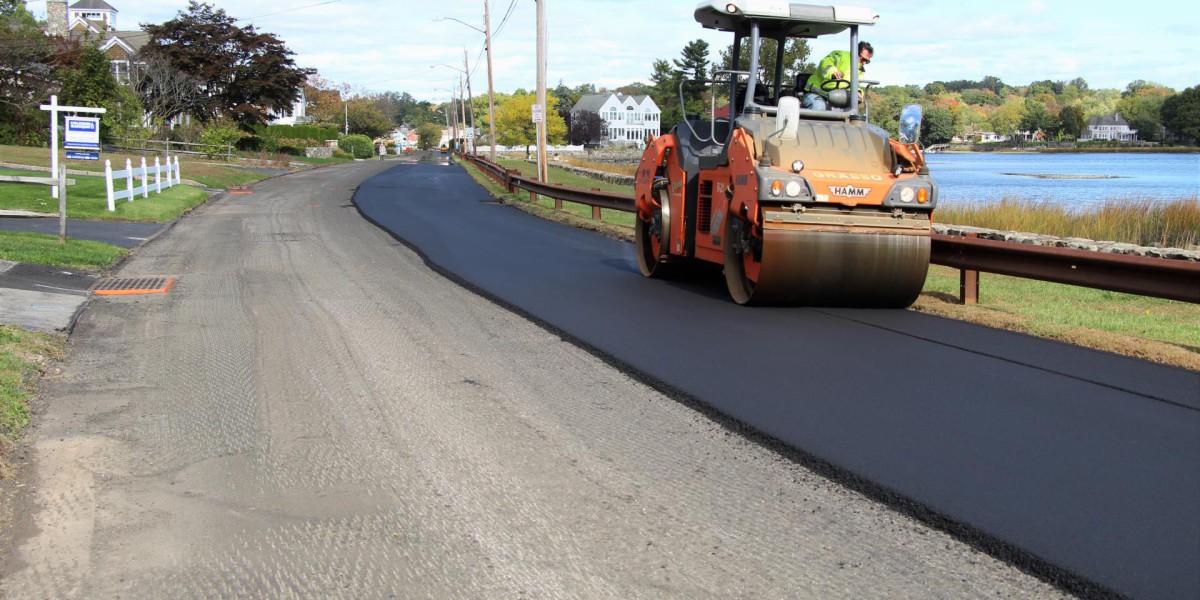
Compaction is a critical part of asphalt paving. After asphalt is placed, rollers are used to achieve the required density and create a stable pavement structure.
Insufficient compaction can affect pavement durability and allow increased permeability. The Asphalt Institute describes compaction as a critical construction step for achieving durable and smooth asphalt pavement.
Professional crews therefore need to coordinate paving speed, material delivery, temperatures, and roller operations carefully.
Drainage and Water Management
Water is one of the major concerns in roadway construction. Poor drainage can allow water to collect on the pavement or penetrate areas where it can contribute to deterioration.
A properly designed street should provide suitable slopes and drainage paths so that rainwater can move away from the pavement. Existing drainage problems should be addressed as part of a larger paving or rehabilitation project rather than simply covered with a new surface.
Street Repairs and Maintenance
Even a well-constructed road requires maintenance over time. Traffic loads, weather, water, and normal aging can eventually create cracks, potholes, surface wear, or other pavement distress.
Routine inspections can help identify problems while they are still manageable. Depending on the condition of the roadway, maintenance may include crack treatment, patching, surface treatments, milling, resurfacing, or reconstruction. Asphalt maintenance guidance emphasizes selecting treatments according to the type and severity of pavement distress.
Choosing a Street Paving Contractor
Selecting an experienced contractor is an important part of a successful paving project. Property owners, municipalities, and commercial developers should consider the contractor's experience, equipment, materials, preparation methods, quality-control practices, and ability to complete the project according to applicable requirements.
A detailed project plan should address site preparation, pavement materials, drainage, traffic management, construction scheduling, compaction, and final cleanup.
Building Better Streets
Professional street paving combines proper planning, quality materials, skilled installation, and appropriate maintenance. Whether a roadway requires new construction, resurfacing, milling, or repairs, addressing the underlying pavement condition is essential to achieving lasting results.
With careful preparation, effective drainage, proper asphalt placement, and thorough compaction, paving professionals can create road surfaces designed to handle everyday traffic and changing environmental conditions. Regular maintenance can then help preserve the pavement and extend its useful service life.






