
Ceramic coating is one of the most popular paint protection options for car owners. It promises a deep gloss and long-term protection, but many drivers are unsure what it actually guards against.
This guide explains what ceramic coating can and cannot do, so you can decide whether it suits your car.
What Is Ceramic Coating?
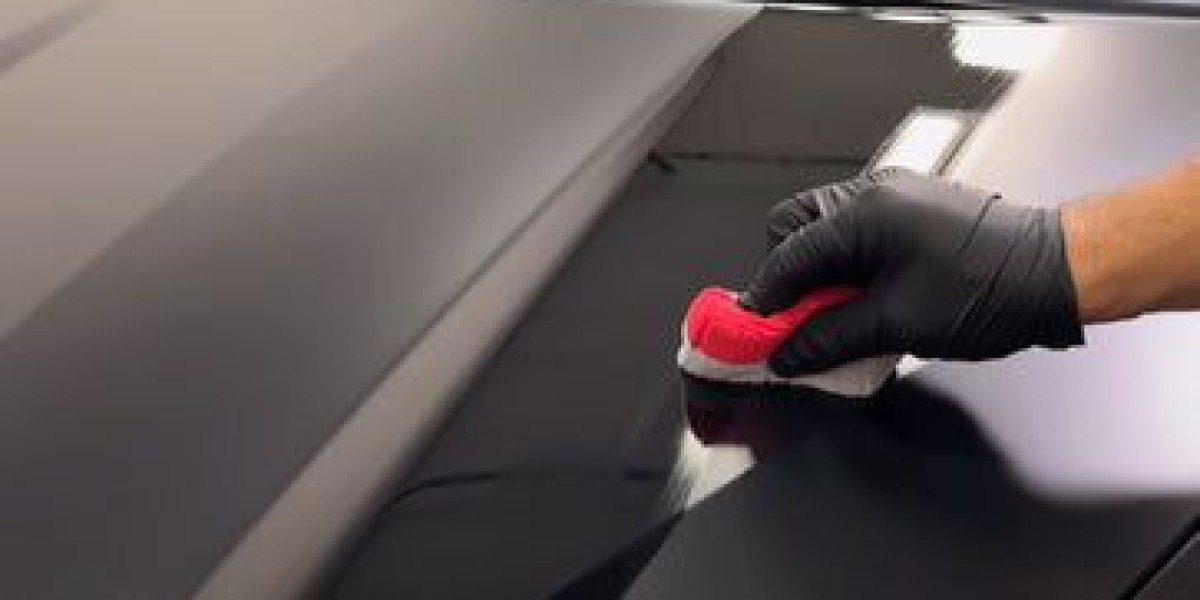
Ceramic coating is a liquid polymer applied by hand to a vehicle's exterior. Once cured, it bonds to the factory paint and forms a hard, glossy layer on top.
Most professional products use silicon dioxide, also called SiO2, the same compound found in glass and quartz. That is why it is sometimes called glass coating.
Unlike wax or sealant, a ceramic coating bonds to the paint instead of sitting on it as a temporary film.
Does Ceramic Coating Protect Against Scratches?
Ceramic coating is not scratch-proof. Many products are marketed as "9H" on the pencil hardness scale, but that figure reflects resistance to light marks, not deep damage.
What it can help with:
Reduces the risk of light swirl marks from washing
Adds a sacrificial layer that takes minor abrasion instead of the clear coat
Improves resistance to fine scratching from dirt and grit
What it cannot do:
Stop deep scratches from keys or sharp objects
Prevent stone chips or gravel damage
Replace careful washing habits
For impact and chip protection, paint protection film is the better choice. Many owners fit film on high-impact areas and coat the rest of the car.
Does Ceramic Coating Protect Against UV Rays?
UV protection is where ceramic coating performs well. Sunlight is a major cause of paint fading and oxidation.
A coating helps by:
Acting as a barrier between sunlight and the clear coat
Slowing oxidation and colour fading
Keeping gloss levels higher for longer
Darker cars tend to show UV damage more clearly, so they often benefit the most.
Does Ceramic Coating Protect Against Bird Droppings and Tree Sap?
Bird droppings and tree sap are acidic and can etch unprotected paint if left on for too long. A coated surface is smoother and less porous, so these substances have a harder time soaking in.
Benefits include:
A hydrophobic surface that makes contaminants sit on top of the paint
Easier removal with a simple rinse when cleaned promptly
Lower risk of etching compared with bare paint
The coating buys you time but does not make paint immune. Remove droppings and sap within a day or two to avoid staining.
Ceramic Coating vs Wax: What Is the Difference?
This is one of the most common questions car owners ask.
Wax: A temporary layer that lasts weeks to a couple of months. It is easy to apply and offers mild protection.
Ceramic coating: A bonded layer that lasts one to several years depending on the product and upkeep. It offers stronger UV and chemical resistance, and professional application is recommended.
Wax is a short-term shine. A ceramic coating is a longer-term investment in the paint's condition.
How Do You Maintain a Ceramic Coating?
Maintenance is simple, but it is not zero.
Wash regularly with a pH-neutral shampoo
Avoid automatic car washes with abrasive brushes
Use the two-bucket method to reduce swirl marks
Add a ceramic booster spray every few months if your installer recommends it
Avoid parking under trees for long periods
Good upkeep directly affects how well the coating performs.
What Affects Ceramic Coating Cost?
Prices vary, and it helps to know why before comparing quotes.
Paint condition: Paint correction before coating changes the price
Product quality: Professional-grade coatings differ from consumer kits
Number of layers: More layers can improve durability and raise the cost
Vehicle size: Larger cars need more product and time
Installer experience: Application quality affects both finish and lifespan
A very low price often points to a lower-grade product or a rushed job.
Is Ceramic Coating Worth It?
For most owners who want to protect their paint and cut down on maintenance, it is a sensible investment. It will not stop every type of damage, but it gives real benefits against UV exposure, staining and everyday grime.
At OG Car World, our ceramic coating service starts with proper paint preparation, because coating over unprepared paint will not last as long. We work with vehicles across Ilford, London and nearby areas, and we base the process on the car's actual condition.
How to Get the Best Results From a Ceramic Coating
Results depend on preparation, product quality and aftercare. Choose an experienced installer, keep up regular washing and stay realistic about what the coating can do.
FAQs
1. How long does ceramic coating last on a car?
Most professional coatings last one to three years, depending on the product and upkeep. Regular washing and occasional top-ups help extend this.
2. Can ceramic coating remove existing swirl marks?
Ceramic coating sits on top of the paint, so it cannot remove marks that are already there. Paint correction should be done first.
3. Is ceramic coating better than a wrap for protection?
A coating protects the existing paint, while a wrap changes the colour and adds its own layer. Many owners combine a wrap or PPF with ceramic coating for gloss and easy cleaning.
4. Does ceramic coating need to be reapplied?
Most coatings are built to last years rather than needing frequent reapplication. A booster spray can extend performance between full applications.
5. Can I apply ceramic coating myself at home?
Consumer kits exist, but a good result needs paint correction and controlled conditions. Most owners prefer a professional ceramic coating service.