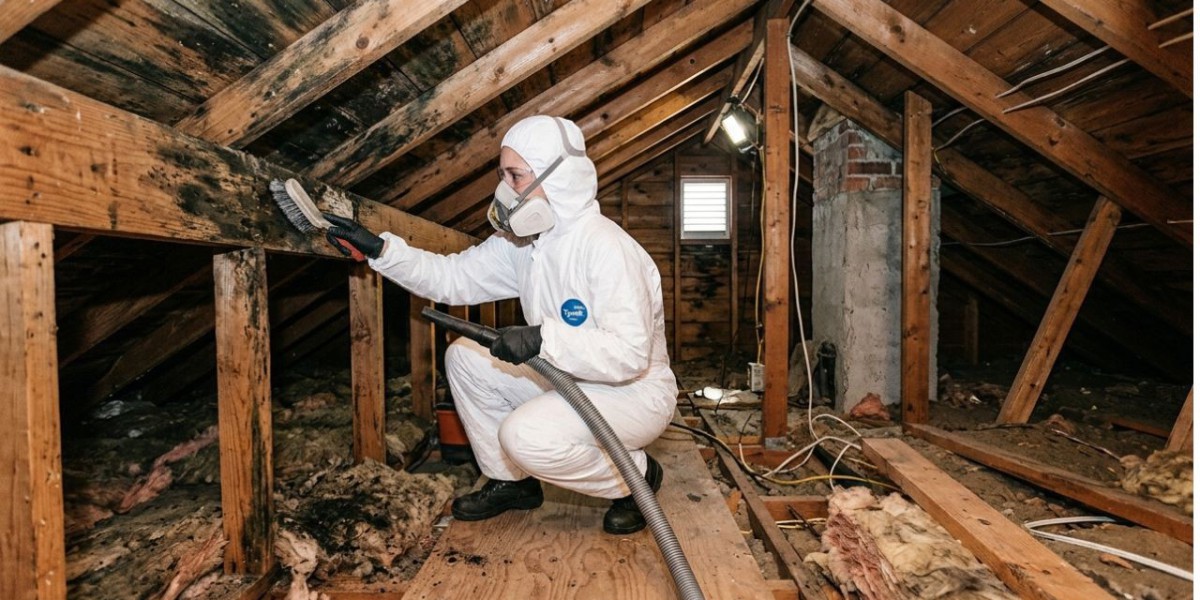

Attic mold can develop quietly, often remaining unnoticed until dark stains, unpleasant odors, damaged insulation, or moisture problems become visible. For homeowners, finding mold in an attic is more than a cosmetic concern. It can indicate excessive moisture, poor ventilation, condensation, or a roof-related problem that needs attention.
For homes in Ottawa, seasonal temperature changes can make attic moisture management particularly important. When warm indoor air reaches cold roof surfaces, condensation can occur and create conditions that support mold growth. Effective attic mold removal Ottawa therefore involves more than cleaning visible mold. It should also identify and correct the moisture source to help prevent the problem from returning.
Why Does Mold Grow in Ottawa Attics?
Mold requires moisture and a suitable surface on which to grow. Attic wood sheathing, rafters, insulation, and other building materials can provide suitable surfaces when moisture remains present.
One common cause is condensation. During colder weather, warm and humid air from the living areas can move through gaps around ceiling fixtures, attic hatches, plumbing penetrations, or other openings. When that air meets cold roof sheathing, moisture can condense on the surface.
Poor attic ventilation can make the situation worse. Roof leaks, inadequate insulation, and bathroom exhaust fans that discharge into an attic can also introduce or retain moisture. Ottawa Public Health recommends ensuring moisture-producing exhaust fans are properly vented outdoors rather than into the attic.
What Are the Signs of Attic Mold?
Recognizing early warning signs can help homeowners respond before the problem becomes extensive. Common indicators include:
- Black, green, gray, or white patches on attic wood
- A persistent musty or earthy odor
- Dark staining on roof sheathing
- Damp or compressed insulation
- Visible condensation or water droplets
- Evidence of roof leaks
- Poor airflow through attic ventilation openings
A musty smell can sometimes indicate mold even when visible growth is limited. Homeowners should also look for signs of excessive moisture, including staining and condensation.
It is important to remember that mold color alone does not determine the seriousness of a problem. The presence, extent, moisture source, and affected materials should be assessed together.
Why Is Professional Attic Mold Removal Important?
Small areas of mold on accessible surfaces may sometimes be manageable with appropriate precautions. However, attic mold can be difficult to assess because the affected area may extend beyond what is immediately visible.
Professional remediation can help determine how far the mold has spread and what caused it. A proper approach generally begins with inspection and moisture-source identification. Depending on the circumstances, affected materials may need cleaning, removal, drying, or replacement.
Health Canada advises addressing the underlying moisture problem and considering professional assistance when the source of moisture or appropriate corrective action is unclear.
Professional work may also include containment and appropriate air filtration when necessary. These measures can reduce the chance of disturbing mold and spreading particles into other parts of the home.
What Does the Attic Mold Removal Process Involve?
A professional attic mold removal Ottawa project can involve several stages.
1. Attic Inspection
The first step is identifying visible mold and investigating possible moisture sources. This can include checking roof areas, ventilation, insulation, exhaust ducts, and areas where warm indoor air may enter the attic.
2. Moisture Source Correction
Removing mold without correcting the moisture problem can allow it to return. Depending on the situation, corrective work may involve improving ventilation, repairing roof leaks, sealing air leaks, or correcting improperly terminated exhaust ducts.
3. Containment and Preparation
When the affected area requires professional remediation, the work area may be controlled to minimize the movement of mold particles. Appropriate protective equipment and work practices are important during removal.
4. Mold Removal and Cleaning
Affected surfaces are cleaned using methods appropriate for the material and level of contamination. Severely damaged porous materials, such as certain insulation products, may need to be removed and replaced.
5. Drying and Prevention
After remediation, the attic should remain dry and properly ventilated. The objective is not simply to remove existing mold but to reduce the conditions that allowed it to develop.
Can Attic Mold Be Prevented?
Prevention starts with moisture control. Homeowners can take several practical steps to reduce the risk of future attic mold.
Keep attic ventilation pathways clear and make sure exhaust fans discharge outdoors. Inspect the roof periodically for signs of water entry, and address leaks promptly. Maintaining appropriate indoor humidity can also help reduce condensation.
Ottawa Public Health recommends controlling excessive moisture and keeping relative humidity below 50 percent as part of mold prevention. It also recommends using bathroom ventilation during and after bathing and ensuring moisture-producing appliances are appropriately vented.
Homeowners should also inspect insulation and air-sealing conditions. Properly maintained insulation and reduced air leakage can help limit the movement of warm, moisture-laden indoor air into cold attic spaces.
How Much Does Attic Mold Removal Cost?
The cost of attic mold removal Ottawa varies from property to property. Factors can include attic size, the amount of mold present, the condition of insulation, accessibility, the source of moisture, and whether ventilation or other corrective work is required.
A small localized issue may require considerably less work than widespread contamination involving insulation, roof sheathing, or ventilation problems. For this reason, homeowners should request an inspection and detailed assessment rather than relying on a standard price.
The local attic remediation company also notes that project costs can depend on the size and severity of the growth as well as required ventilation and insulation work.
When Should You Call an Attic Mold Specialist?
Consider professional assistance when mold covers a large area, the moisture source is unclear, insulation is affected, the attic has persistent condensation, or mold continues to return after cleaning.
Professional assistance can also be valuable when homeowners are uncomfortable working in confined attic spaces or cannot determine whether the problem is caused by a roof leak, ventilation issue, or indoor air leakage.
Ottawa-area guidance emphasizes that correcting the underlying moisture problem is an important part of effective mold management.
About Attic Mold Removal Ottawa
For homeowners looking for specialized attic services, https://atticmoldremovalottawa.ca/ focuses specifically on attic mold remediation, moisture-source correction, ventilation, and insulation-related solutions. The company describes an inspection-led approach that can include identifying moisture sources, containment, mold removal, and ventilation improvements. Its website also provides information about attic mold issues in Ottawa and surrounding communities.
Conclusion
Attic mold should not be treated as a problem that can simply be covered or wiped away. In many Ottawa homes, mold growth can be connected to moisture, condensation, inadequate ventilation, roof leaks, or air leakage. Identifying and correcting the underlying cause is therefore an important part of long-term prevention.
With timely inspection, appropriate remediation, moisture control, and proper attic ventilation, homeowners can reduce the risk of recurring mold and protect important parts of their property. If you notice visible mold, musty odors, condensation, or unexplained attic moisture, addressing the issue early can help prevent more extensive damage.