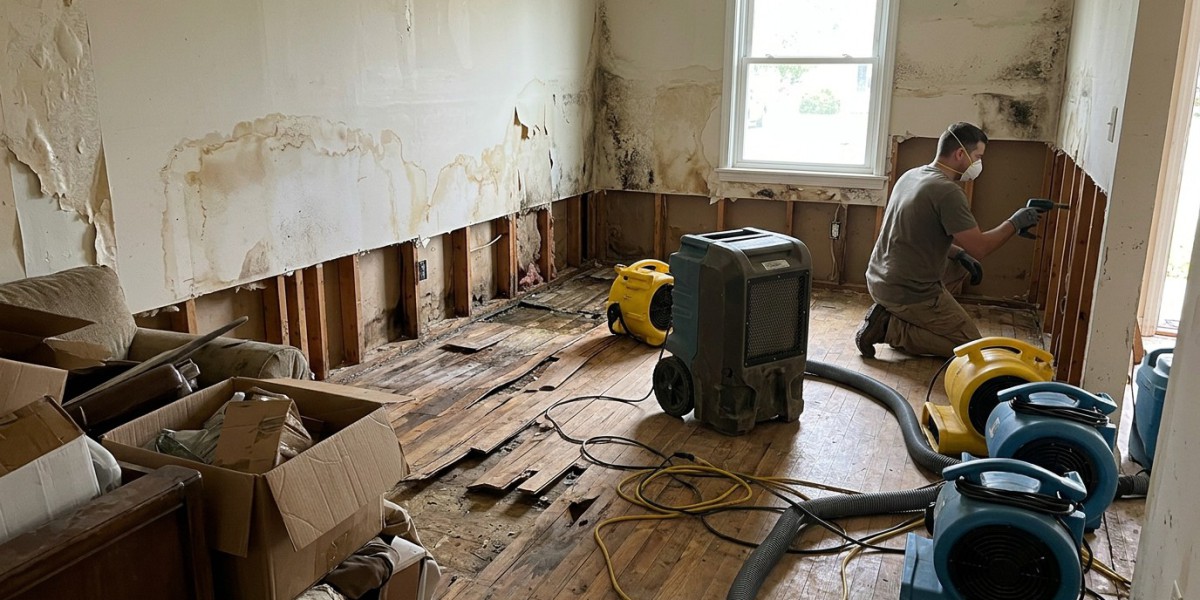

When water enters a home, the first priority is usually getting rid of what can be seen. Standing water is removed, wet belongings are moved, and damaged areas are cleaned. But the process should not stop there.
Moisture can remain in drywall, insulation, flooring, cabinets, and other materials after the visible water is gone. That remaining moisture can create the conditions needed for mold to develop later.
For homeowners in Kalispell, understanding that progression can make it easier to recognize a problem early. Proper mold remediation in kalispell is not simply a response to visible growth. It is part of addressing the moisture conditions that allowed the problem to develop.
A Small Leak Can Become a Larger Issue
Not every mold problem starts with a major flood. A leaking pipe under a sink can repeatedly wet nearby materials. A damaged roof can allow small amounts of water into an attic or ceiling. A poorly ventilated bathroom can produce enough condensation to keep surfaces damp over time.
These situations can be difficult because there may be no dramatic sign that something is wrong. By the time a smell develops or discoloration becomes visible, the moisture may have already affected areas that are not directly exposed. That is why delayed attention can make a relatively simple moisture problem more complicated.
Signs That Moisture May Be Affecting the Home
Homeowners should pay attention to changes rather than waiting for obvious mold growth. A musty smell is one possible warning. Persistent dampness, unexplained staining, peeling paint, swollen flooring, and repeated condensation can also point to a moisture problem.
Some signs appear near obvious sources, such as under a sink or around a washing machine. Others may show up farther away because water can move through building materials.
If the same area develops mold again and again, the recurring growth should be treated as a signal that something else may still be wrong.
Where Water Can Remain Hidden
Moisture does not always stay on the surface.
Inside Walls
A leak from a plumbing line can soak the inside of a wall. Insulation and framing may stay damp after the visible leak has been repaired.
Beneath Floors
Water can become trapped under carpet padding, flooring materials, or wooden subfloors.
Above Ceilings
A small roof or plumbing leak can affect ceiling materials before a homeowner notices an obvious stain.
In Basements and Crawl Spaces
Below-grade areas can experience humidity, condensation, drainage problems, and water intrusion. These conditions can persist unless they are actively controlled.
Why Mold Can Return After Cleaning
A homeowner may clean mold from a wall and see an immediate improvement. Then, several days or weeks later, it appears again.
That pattern often means the conditions that supported the growth were not corrected. A cleaner can remove surface contamination, but it cannot repair a leaking pipe behind the wall. It cannot dry moisture trapped underneath flooring. It cannot correct high humidity in a basement.
Professional mold removal kalispell services take those factors into account. The objective is to understand the full situation rather than treat each visible spot as an isolated stain.
What Professional Remediation Looks Like
A professional remediation project begins by determining what happened to the building. The affected area is evaluated for moisture, visible growth, damaged materials, and possible hidden contamination. The source of the moisture is considered as part of that assessment.
If necessary, the work area can be contained. This helps control the movement of spores while affected materials are being disturbed or removed.
Depending on the situation, professionals may:
- Identify the source of moisture
- Assess how far the damage extends
- Contain the affected area
- Remove materials that cannot be restored
- Clean remaining surfaces
- Dry the structure thoroughly
- Address the condition that caused the moisture
The exact work depends on the property. A localized problem behind a cabinet does not require the same response as contamination affecting several rooms.
Do You Always Need Mold Testing?
Testing is sometimes discussed as though it is required before any mold problem can be addressed. That is not necessarily the case.
An inspection is focused on identifying conditions within the property, such as visible growth, moisture problems, and damaged materials. Testing involves sampling and may provide additional information about spores in the environment.
These services answer different questions. A homeowner may need to know where the moisture is coming from and what materials have been affected rather than simply confirming that mold is present. Understanding that difference can help prevent unnecessary steps and keep attention on the actual property problem.
The Importance of Responding to Water Damage Quickly
A water event can create conditions for mold long after the original incident has passed. When materials stay wet, moisture can move deeper into the structure. Drywall, wood, insulation, flooring, and cabinets may take longer to dry than expected.
That is why professional water damage restoration can be important following significant leaks or flooding. The goal is to remove water, dry the affected structure, and deal with damaged areas before prolonged moisture creates additional complications.
Fast action cannot guarantee that mold will never develop, but it can reduce the amount of time materials remain wet.
Keeping the Home Dry After Remediation
Once a mold problem has been corrected, prevention becomes part of maintaining the property.
Homeowners should keep an eye on rooms that generate moisture regularly. Bathrooms need adequate ventilation, while basements and crawl spaces may require humidity management.
Exterior maintenance matters too. Gutters, downspouts, windows, and roofing should be checked for signs of water intrusion.
Simple preventive steps include:
- Fixing leaks quickly
- Improving ventilation
- Monitoring damp areas
- Controlling excessive indoor humidity
- Maintaining gutters and drainage
- Checking previously damaged areas
A home that stays dry is less likely to recreate the conditions that led to mold growth.
When You Should Not Handle the Problem Alone
The size of the affected area is one factor to consider, but it is not the only one.
Professional assistance is particularly appropriate when mold is widespread, keeps returning, follows substantial water damage, or appears inside building materials.
A hidden moisture source also makes the problem more difficult to address without professional evaluation.
There is an additional concern when extensive mold is disturbed. Removing contaminated material can spread spores if the work is not properly controlled.
What Makes a Remediation Company Worth Considering?
The company you choose should be able to explain both the contamination and its cause. Homeowners should understand which areas are affected, what materials can be restored, what needs removal, and what steps will be taken to address moisture.
A clear process is more useful than a simple promise that the visible mold will be gone. For more info about local restoration options, homeowners considering kalispell mold removal should look for a provider that addresses the underlying moisture conditions as part of the remediation process.
Look Beyond the Mold You Can See
The visible growth is often only one part of the problem. A leak, flood, humidity issue, or hidden water source may have created the conditions that allowed mold to develop. Until those conditions are corrected, cleaning the surface may provide only temporary results.
For homeowners researching mold remediation kalispell, early attention can make it easier to identify the source, limit affected materials, and restore the home before the issue becomes more extensive.
The real goal is not simply to remove a patch of mold. It is to return the home to a dry, properly restored condition and reduce the chances of the same moisture problem starting again.






