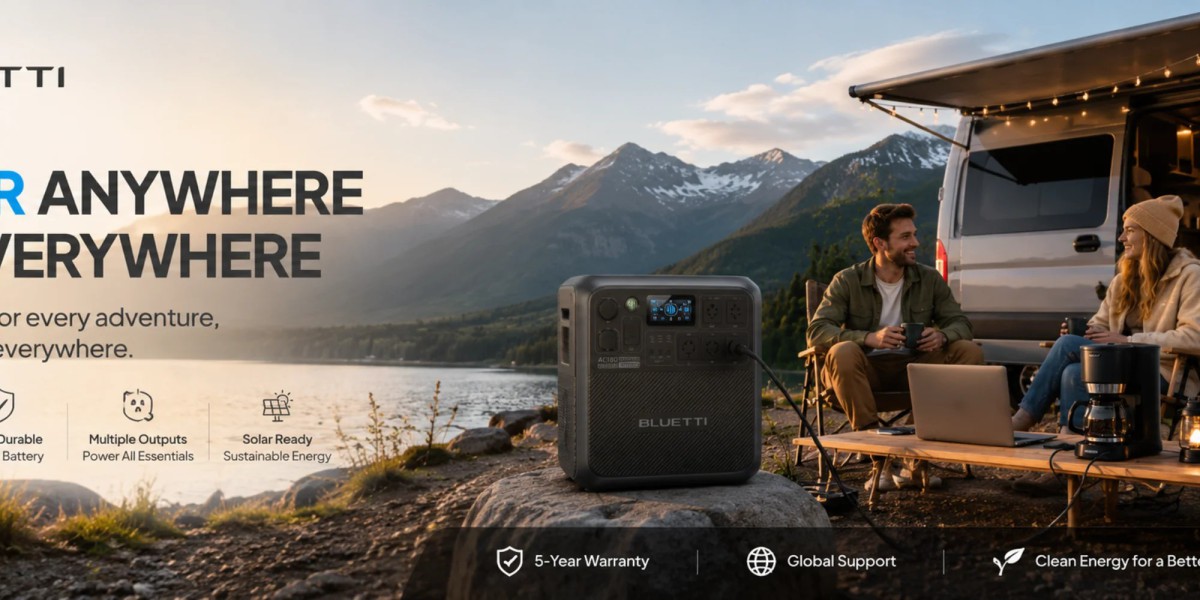

Buying a battery, a panel, and a carry bag separately can mean mismatched parts and wasted time. A power station bundle packages them together so everything works from day one. The idea is simple, but the details matter, because a bundle is only a bargain if its pieces suit your needs. This guide explains how to judge one before you commit.
Why Power Station Bundles Matter
A power station on its own gives you stored energy. Add a solar panel and you get a way to refill it, and add a bag and you get protection and easier transport. Bundles combine these so compatibility is already sorted, which removes a common stumbling block for first-time buyers.
A power station bundle also tends to be priced attractively compared with buying each part individually. On the store, for example, you will find listings that pair a station with a solar panel and a free carry bag, with savings shown against the regular price.
Key Types of Bundles
- Station plus solar panel — the classic off-grid combination for camping, travel, and backup.
- Station plus carry bag — protects the unit and keeps cables organized.
- Station plus expansion battery — increases capacity for longer outages or trips.
- Station plus accessories — may include cables or adapters for cars and other devices.
Common Mistakes to Avoid
Assuming bundled means well-matched. Check that the panel's wattage suits the battery. A very small panel with a large battery recharges slowly, bundle or not.
Not checking what is actually included. Bundles differ. Confirm whether the bag, cables, and panel are in the box rather than assuming.
Overbuying capacity. A bundle with a huge battery may look generous but be heavy and unnecessary for your trips.
Ignoring availability. Popular bundles can sell out. If a specific combination matters to you, check stock before planning around it.
Judging the Value of a Bundle
Add up what each item would cost separately and compare it with the bundle price. If the bundle includes only items you would genuinely use, the saving is real. If it includes extras you do not need, the value shrinks.
Consider future use too. A bundle with expansion options or a larger panel may cost more now but save you from upgrading later. Think about how your power needs may grow over the next year or two.
Sizing the Pieces Together
Estimate your daily energy use, choose a battery that covers it with a margin, then check how long the included panel would take to refill it in good sun. If recharging takes several days, consider a higher-wattage panel.
For the store's smaller bundles, a compact battery with a modest panel suits weekend trips and phone, light, and camera charging. Larger bundles with higher battery capacity and bigger panels suit home backup and longer stays.
Protecting Your Investment: Bags, Cables, and Care
A bundled bag is more useful than it sounds. It shields the unit from knocks, keeps cables from tangling, and makes it easier to carry. Store the station in a cool, dry place and keep it partly charged if it will sit unused for a while.
Check the cables included in the bundle. A solar input cable that matches your panel and station avoids the need for adapters. If something is missing, note it before your first trip rather than at the campsite.
When Buying Separately Makes More Sense
Bundles are not always the best route. If you already own a good solar panel, buying a station alone may be cheaper. If you need unusual combinations, such as a very large battery with a specific panel, separate purchases give you more control.
Compare the options honestly. A well-chosen bundle simplifies things and offers savings, but the best choice is the one that fits your equipment, your budget, and your plans for the next few years.
Planning for Expansion Later
Think about where you may want to go next. Some stations accept expansion batteries or additional panels, letting you grow your system over time. Choosing a bundle with that flexibility means your first purchase remains useful as your needs increase.
Reading Bundle Listings Carefully
Bundle titles often combine many specifications in one line: battery capacity, output wattage, panel wattage, and battery chemistry. Take a moment to break the title into parts and note each number. Compare those numbers with similar bundles so you can see what you are truly getting for the price.
Look at the price breakdown too. Listings commonly show a regular price, a sale price, and the saving. Treat the sale price as the number that matters, but check the regular price to understand how large the discount really is.
Seasonal and Practical Timing
Demand for off-grid gear tends to rise before camping season and during storm season. Planning ahead gives you time to compare options and avoid last-minute stock problems. If you are buying for a specific trip, order early enough to test the setup at home before you leave.
Practical Tips: What to Check Before Buying
- Read exactly what is included in the bundle.
- Compare the bundle price against buying separately.
- Check panel wattage against battery size.
- Confirm connectors are compatible out of the box.
- Think about weight if you carry it to camp.
- Check availability and warranty for each component.
Who This Is For
Bundles suit first-time buyers who want a ready-made solution, campers and travelers, and households starting a backup plan. Experienced users who already own a panel or battery may prefer to buy individual pieces.
Final Thoughts
A good power station bundle simplifies things and can save money, but only when its parts suit your needs. Read the contents, check the sizing, and compare the price. If it all adds up, you get a working off-grid system without the guesswork.






