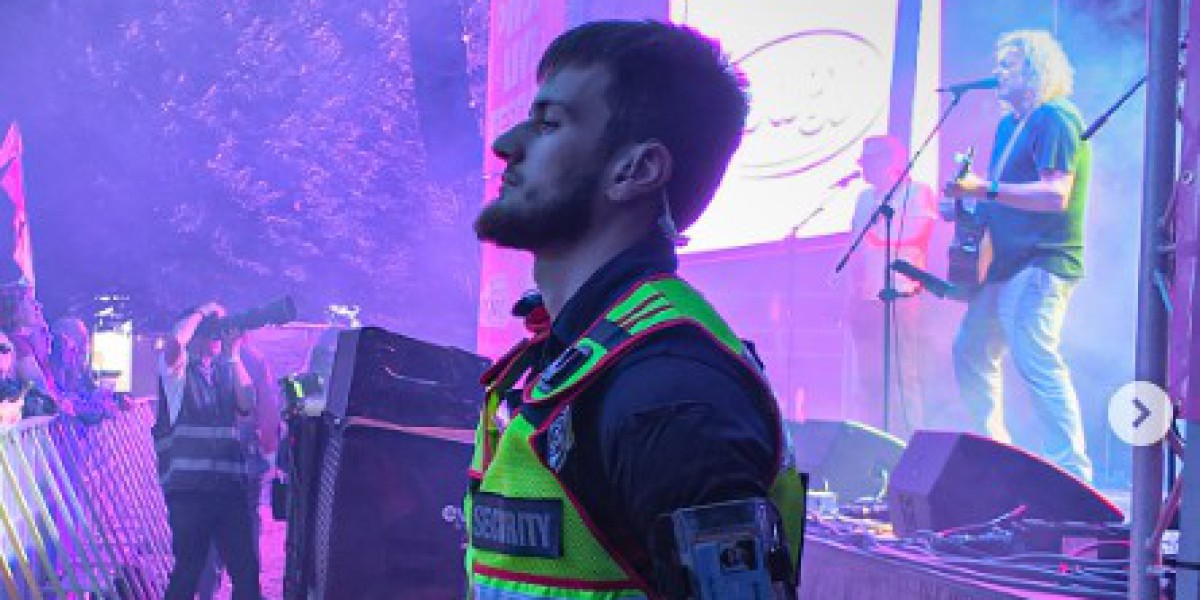

Every great event is built on a feeling of safety. Guests who feel secure relax, enjoy the experience and are far more likely to return. Organisers who know their event is protected can focus on the programme, the performers and the atmosphere instead of worrying about what might go wrong. This is why professional event security services have become an essential part of planning for everything from small private parties to large festivals, sports days and corporate conferences.
More Than Just Bag Checks
Event security is about much more than checking bags at the door. A good provider begins by understanding your event: the venue, the expected numbers, the type of audience and the risks that come with them. A charity gala in central London has very different needs from a summer fair in Hertfordshire or a music day in Oxfordshire. By assessing these details early, a security team can build a plan that matches the event rather than relying on a generic approach.
Risk Assessment: The Foundation of Safety
Risk assessment is the foundation of that plan. Trained professionals walk the site, study entrances and exits, identify crowded areas and look at how people will arrive and leave. They consider alcohol, late finishes, ticket types, VIP guests and any history of problems at similar events. Outdoor locations across Surrey, Kent and Essex, for instance, may involve open fields, temporary fencing, limited lighting and long access roads, all of which need careful thought. Urban venues bring their own challenges, from busy pavements to nearby transport hubs.
Trained and Professional Staff
The quality of the people on the ground makes the biggest difference. Reliable event security services use licensed, vetted and well-briefed staff who know how to stay calm and communicate clearly. They are trained to handle conflict politely, spot early signs of trouble and respond quickly without escalating the situation. In many cases, their friendly presence is enough to discourage bad behaviour. Guests respond far better to a professional, approachable steward than to an aggressive one, and that attitude sets the tone for the entire event.
Access Control and Entry Management
Access control is another core responsibility. Security teams manage entry points, check tickets or guest lists, carry out bag searches where required and keep prohibited items out. Well-organised entry procedures also reduce queues, which keeps guests happy and prevents crowds from building up outside. For events in Buckinghamshire and Berkshire, where many visitors travel by car, a clear plan for parking, drop-off areas and walking routes helps keep traffic moving and protects the surrounding community.
Crowd Management and Flow
Crowd management works hand in hand with security. Barriers, signs, trained marshals and clear announcements help guide people safely around the site. Teams monitor busy areas, keep emergency routes clear and control the flow of people before pressure points develop. In busy boroughs such as Camden, where pavements and transport links are already stretched, careful crowd control is especially important. In places like Barking and Dagenham, Barnet or Bromley, local knowledge of roads, school times and public transport can help organisers choose the best entry points and finishing times.
Communication and Teamwork
Communication is what holds a security operation together. Staff use radios and agreed procedures to stay in constant contact with each other and with the event control team. If a problem arises, the right person can be sent immediately, and the information is passed on clearly. A good provider also works closely with the organiser, venue management, first aiders and, where needed, the police and local authorities. Across London and the wider south east England region, this joined-up approach helps events pass licensing checks and run without unwelcome surprises.
Emergency Planning and Preparation
Emergency planning is equally important. Security teams help organisers prepare evacuation routes, assembly points and procedures for medical incidents, fire alarms or severe weather. Staff are briefed so that everyone knows their role if something goes wrong, and the plan is shared with other key people on site. When an emergency does happen, calm and organised action can protect lives and prevent panic. This preparation is often what separates a minor disruption from a serious incident.
Flexibility When Plans Change
Flexibility is another valuable quality. Events rarely go exactly to plan. Attendance can be higher than expected, an act might run late or the weather may turn at short notice. Experienced security providers adapt quickly, adding staff, changing positions or adjusting entry procedures as needed. Organisers working in Hertfordshire, Oxfordshire or Surrey, where outdoor conditions can change fast, often rely on this flexibility to keep their events running safely.
Choosing the Right Security Provider
When choosing a provider, look beyond the price. Check that the company holds the correct licences, has experience with events like yours and can provide references from previous clients. Ask how they train and supervise their staff, how they cover absences and how they report on the day. A transparent, responsive company that listens to your goals is far more likely to deliver dependable results than one that simply offers the lowest quote.
Final Thoughts
In the end, event security services are an investment in peace of mind. They protect guests, support your team and safeguard your reputation as an organiser. Whether your event takes place in the heart of London, in a quiet corner of Kent or Essex, or anywhere across south east England, trained teams can help make it safe, smooth and successful from the first arrival to the final goodbye.