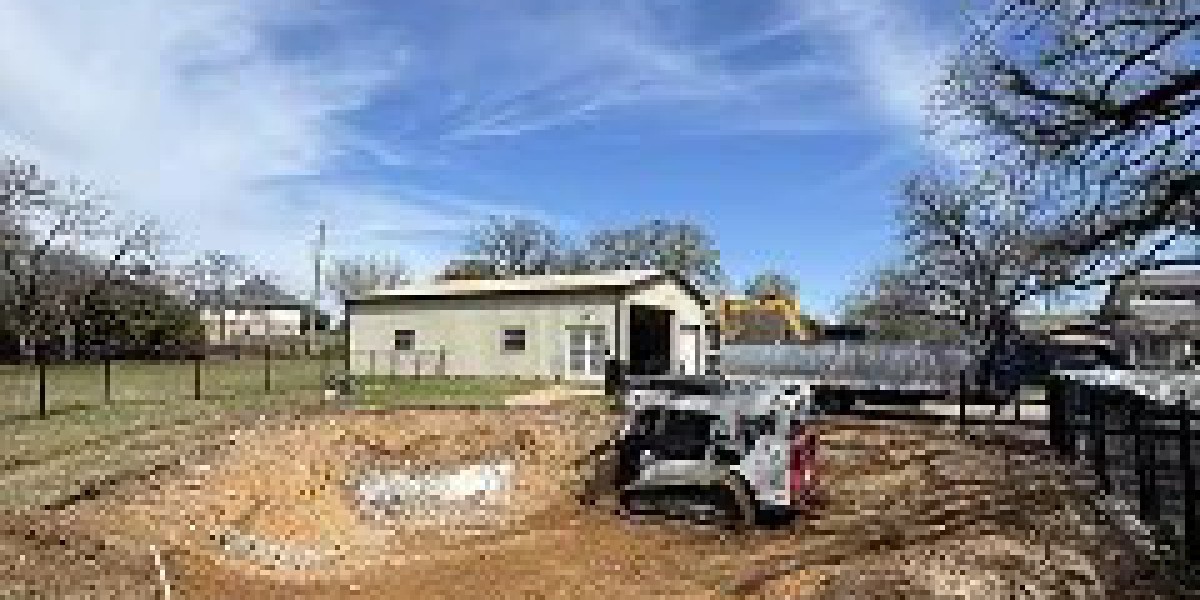

An old swimming pool can become more of a responsibility than a source of enjoyment. Maintenance costs, equipment repairs, water use, and safety concerns may lead homeowners to consider reclaiming the space for other purposes. In North Texas, where outdoor living is an important part of many homes, removing an unused pool can create opportunities for a garden, lawn, patio, or expanded entertainment area. Understanding the process of plano pool demolition helps homeowners make informed decisions before work begins, especially when the project involves drainage, permits, and the long-term condition of the yard.
Why Homeowners Decide to Remove Their Pools
Swimming pools require regular attention, even when nobody uses them. Pumps, filters, liners, and other equipment eventually need repairs or replacement, while cleaning and chemical treatments add ongoing expenses. For households whose routines have changed, these costs may no longer make sense. Some families prefer a larger lawn for children and pets, while others want room for outdoor kitchens, seating areas, or landscaping.
An unused pool can also influence how a property is maintained and enjoyed. Cracked decking, deteriorating finishes, and aging equipment may make the backyard feel neglected. Plano pool demolition can be one option for homeowners who want to address these issues and use their outdoor space differently. However, removal is a construction project rather than a simple cleanup task, so the condition of the pool and the intended use of the land should guide the decision.
Understanding the Main Pool Removal Methods
The appropriate removal method depends on the pool's construction, its condition, local requirements, and the homeowner's plans for the property. Before choosing an approach, it helps to understand how partial and complete removal differ. Each method affects the amount of material removed, the way the remaining ground is prepared, and the future uses of the space.
Partial removal generally involves breaking openings in the pool floor to allow drainage, removing portions of the structure, and filling the remaining cavity with suitable material. Complete removal typically involves taking out the pool structure and associated materials before the area is filled and graded. Although partial removal may appear simpler, it can come with restrictions on future construction or property documentation. Homeowners considering either method should ask contractors to explain the proposed process, applicable local rules, and any implications for future landscaping or building projects.
Permits, Drainage, and Other Planning Considerations
Before equipment arrives, homeowners should determine which permits, inspections, and approvals are required. Pool removal requirements can vary according to the property, removal method, and applicable city or county regulations. In Plano, it is sensible to check current requirements with the relevant municipal department rather than assume that every project follows the same process. Utility locations, access for machinery, and arrangements for handling pool water may also need attention.
Drainage deserves particular consideration in North Texas. Heavy rain can expose problems in poorly prepared ground, particularly when the filled area settles or water collects near the house. A removal plan should account for the yard's existing slope and the direction water naturally travels. Contractors should also explain how debris will be handled, what fill materials will be used, and how the finished surface will be compacted. These details are important because the quality of the work below ground affects the appearance and performance of the yard for years afterward.
What Happens During a Typical Removal Project
While the exact sequence varies, most projects follow a series of coordinated steps. Understanding them helps homeowners prepare the property, communicate with contractors, and set realistic expectations about the work.
Site inspection and planning: The contractor reviews the pool structure, surrounding decking, equipment, access points, and intended use of the finished area.
Permits and preparation: Required approvals are addressed, utilities are located, and a plan is developed for water management and debris disposal.
Pool draining and demolition: Water is handled appropriately, equipment is disconnected, and the structure is broken down according to the selected removal method.
Debris removal and filling: Materials designated for removal are hauled away, and the remaining space is filled with suitable soil or approved fill.
Compaction and grading: The fill is placed and compacted in stages where required, and the surface is shaped to support proper drainage.
Final inspection and restoration: The finished area is checked against project requirements before plans for grass, landscaping, or other improvements move forward.
The order and scope of these steps should be explained before work begins. A clear agreement helps everyone understand what is included, what materials will leave the property, and how the contractor will handle unexpected conditions.
Choosing a Contractor and Understanding the Costs
Pool removal costs depend on more than the pool's dimensions. Construction materials, surrounding concrete, access for heavy equipment, disposal requirements, and the selected removal method can all influence the final estimate. A property with limited machinery access may require more labor, while extensive decking or difficult site conditions can add to the work. Plans for future landscaping may also affect the grading and soil preparation needed after demolition.
When comparing estimates, homeowners should look beyond the total price. Ask whether permits, hauling, fill materials, compaction, grading, and cleanup are included. It is also useful to confirm how the contractor handles changes in scope and whether the estimate accounts for the condition of the pool structure. S&S Pool Demolition is one business homeowners may research when exploring pool removal options, but every contractor should be evaluated on the clarity of the proposed work, relevant experience, and understanding of local requirements. Written estimates make it easier to compare services fairly.
Planning the Backyard After Pool Removal
The future purpose of the space should be decided before demolition begins. A level area intended for grass may require different preparation from a space planned for a patio or garden. Homeowners should discuss these plans with the removal contractor so the fill, grading, and final surface are appropriate for the intended use. If a future building or other substantial structure is planned, the homeowner should obtain professional guidance about whether the proposed removal method and ground conditions will support that use.
It is also wise to allow for the possibility of settlement. Newly filled ground may change over time, even when the work is completed carefully. Monitoring the area and addressing minor depressions can help maintain drainage and surface appearance. Planting, irrigation, and other finishing work should be scheduled with the condition of the soil in mind. Thinking ahead can prevent the expense of reworking a backyard that was not prepared for its eventual purpose.
Conclusion
Removing an unused pool can make a backyard easier to maintain and open up new possibilities for outdoor living. The best results depend on choosing a suitable removal method, understanding local requirements, and ensuring that drainage and ground preparation receive proper attention. For homeowners researching plano pool demolition, comparing detailed proposals and planning the future use of the space are practical first steps. A well-planned project can turn an underused part of the property into a space that better fits everyday needs.






