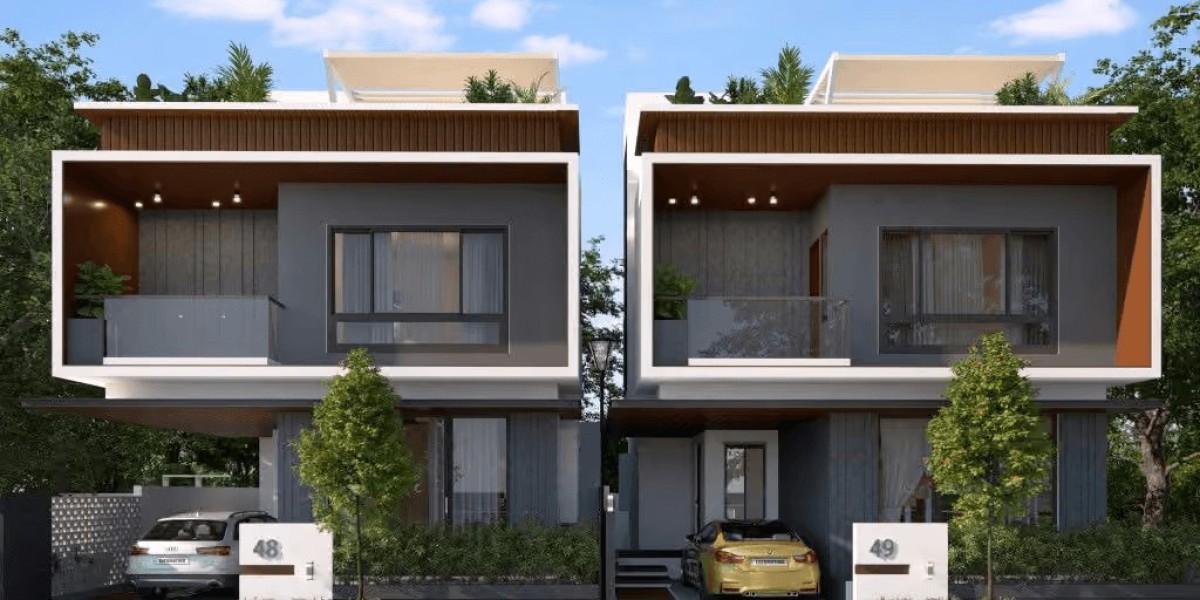

When searching for a villa in Bangalore, buyers often compare properties based on price, bedroom count, and the total area mentioned in the listing. However, two villas with similar prices and configurations can offer very different amounts of usable space. The reason often comes down to the difference between plot size and built-up area.
Understanding these measurements can help you evaluate a property's actual value, compare listings accurately, and avoid paying a premium based on an area figure that does not reflect your needs.
If you are exploring Villas for Sale in Bangalore, knowing what each measurement represents is an important step towards choosing the right property.
What Is Plot Size in a Villa?
Plot size refers to the total land area allocated to a property. For a villa, this typically includes the land occupied by the building footprint as well as the remaining area within the plot boundaries, subject to the approved layout and applicable development rules.
For example, a villa built on a 2,000-square-foot plot may have a house covering only part of that land at ground level. The remaining space could accommodate a garden, driveway, outdoor seating area, or setbacks required by building regulations.
Plot size matters because it influences how much private outdoor space you may have and how the property can be used. However, the entire plot cannot necessarily be built upon. Setbacks, permitted ground coverage, floor-area limits, and other local planning requirements can restrict construction.
Before booking, verify the plot dimensions and boundaries against the relevant property documents and approved layout. Do not assume that all the land shown in a marketing illustration is available for unrestricted construction.
What Is Built-Up Area?
Built-up area generally refers to the covered area of a building measured using the applicable measurement convention. It commonly includes the carpet area plus the thickness of internal and external walls, and may include certain covered spaces such as balconies or other projections depending on how the area is defined.
The exact inclusions can vary across property documents and marketing materials. That is why buyers should ask the developer to explain the measurement basis rather than relying solely on the number in a brochure.
Consider a two-storey villa with a built-up area of 2,000 square feet. This figure may represent the combined area across both floors, not the amount of land occupied by the building at ground level.
For instance, the ground floor might have 1,100 square feet of built-up area and the first floor another 900 square feet. Together, these figures total 2,000 square feet, while the plot could be larger or smaller than the combined built-up area depending on the design and property configuration.
Plot Size vs Built-Up Area: The Key Difference
The simplest distinction is that plot size measures the land, while built-up area measures the covered building space under the stated measurement method.
These figures answer different questions.
Plot size helps you understand how much land is associated with the villa. Built-up area helps you estimate the size of the constructed house. Neither figure alone tells you exactly how much usable indoor space you will have.
A property with a larger plot may offer more garden space and greater separation from neighbouring homes. Another villa with a smaller plot might have a larger built-up area because its design uses multiple floors more extensively.
When comparing Villas in Bangalore for Sale, look at both measurements alongside the floor plan, room dimensions, outdoor areas, and the property's total price.
What Is Carpet Area, and Why Does It Matter?
Carpet area is another important measurement that buyers should understand. Under India's Real Estate (Regulation and Development) Act, carpet area has a defined meaning: the net usable floor area of an apartment, excluding external walls, service shafts, exclusive balconies or verandahs, and exclusive open terraces, but including the area covered by internal partition walls.
For a villa purchase, ask the developer to explain how the usable area is represented in the documents and whether the figures follow the applicable legal definitions.
Carpet area is particularly useful when evaluating the actual space available for everyday activities, such as arranging furniture, moving around rooms, and accommodating storage.
Two villas may advertise the same built-up area but feel very different when you inspect their internal layouts. Corridor space, wall thickness, staircase placement, room proportions, and the size of kitchens and bathrooms all affect how efficiently the home uses its space.
How Plot Size Affects the Price of a Villa
Land is a major component of a property's value, so plot size can significantly influence a villa's asking price. However, a larger plot does not automatically mean a better purchase.
The location, road access, development quality, plot orientation, shape, and permitted construction can all affect value. A regularly shaped plot with practical access may be easier to use than a larger but awkwardly shaped one.
A larger plot may be worthwhile if you want a private garden, outdoor entertaining area, or additional separation from neighbouring homes. However, more land can also mean higher landscaping costs and greater upkeep.
Buyers should therefore assess whether the extra land offers benefits that justify the additional price and ongoing maintenance.
How Built-Up Area Affects Everyday Living
Built-up area influences the overall size of the constructed home, but the layout determines how comfortably that space can be used.
A well-designed villa may offer spacious bedrooms, good natural light, practical storage, and efficient circulation without wasting space on oversized passages. A larger property may provide additional flexibility, but only if the extra area serves a useful purpose.
Before making a decision, examine the floor plan carefully. Check whether the living and dining areas accommodate your furniture, whether bedrooms provide sufficient storage, and whether the kitchen has enough working space.
Also consider how the staircase, balconies, utility areas, and bathrooms affect the flow between rooms. If you work from home or expect your family to grow, identify the spaces you will genuinely need over the next several years.
Questions to Ask Before Booking a Villa
Before committing to a property, ask the developer or seller for clear answers to the following questions:
What is the exact plot area, and how is it documented?
What is the total built-up area across all floors?
What measurement method has been used to calculate the built-up area?
What is the carpet area or net usable indoor area, where applicable?
Are balconies, utility areas, terraces, parking spaces, and other covered areas included in the advertised figure?
Which portions of the plot are subject to setbacks or other construction restrictions?
Does the approved plan match the floor plan and specifications being offered?
Are the advertised price and additional charges clearly itemised?
Get the relevant measurements and specifications in writing. If the figures in the brochure, agreement, and approved plans differ, seek clarification before paying a booking amount.
How to Compare Two Villas Fairly
Suppose two villas have the same advertised built-up area, but one sits on a larger plot. The second property might offer more indoor space per floor, while the first could provide a larger private garden. Which one represents better value depends on your priorities.
Start by comparing the total purchase cost, plot size, built-up area, usable indoor space, room dimensions, and outdoor facilities. Then consider the property's location, construction quality, maintenance expenses, and future flexibility.
You can also calculate the approximate price per square foot, but make sure you understand which area figure is being used. A price calculated using plot area is not directly comparable to one calculated using built-up area.
For buyers considering Villas to Buy in bangalore, this distinction is especially important when comparing listings from different projects or developers.
Conclusion
Plot size and built-up area describe two different aspects of a villa, and understanding both can help you make a more informed purchase. Plot size tells you about the land associated with the property, while built-up area provides an indication of the constructed space. Carpet area and the actual floor plan help you assess how much of that space is usable for everyday living.
Before making a decision, verify the measurements, review the approved plans, and compare the total cost against the space and facilities you will actually receive.
If you are exploring Villas in Bangalore in Sale, look beyond a single area figure. The right property is one that offers a sensible balance of land, usable indoor space, practical design, location, and long-term affordability.






