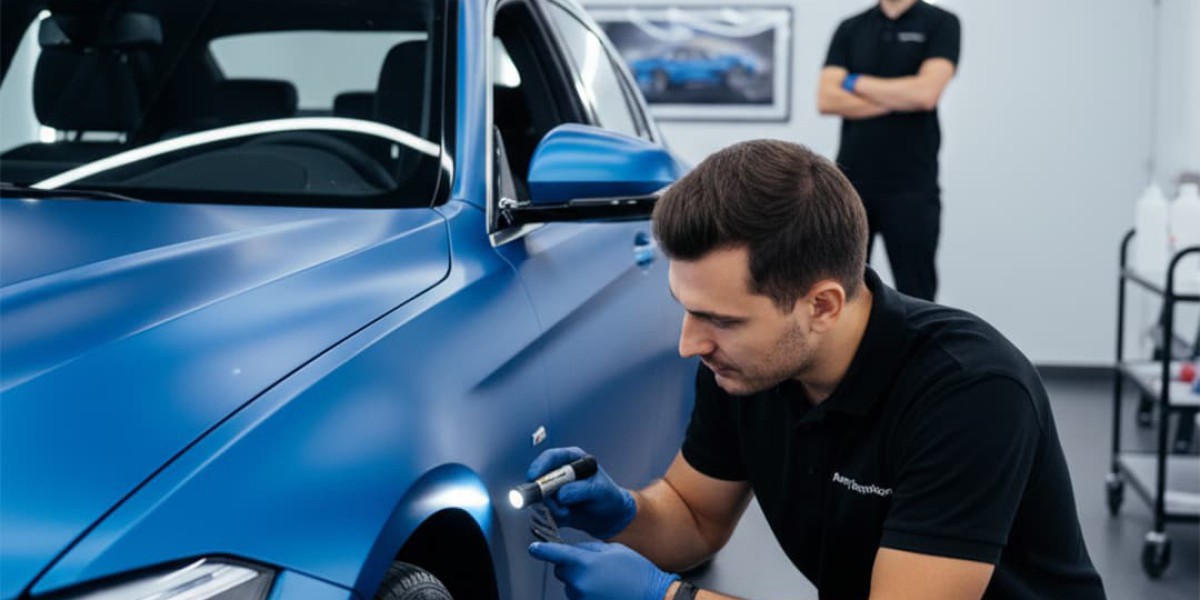

Vehicle wrapping is one of the most common ways to change the appearance of a car without repainting it. Many owners are unsure how it works, how long it lasts or what separates a good installation from a poor one. At OG Car World, we get these questions every week, so this guide explains each part in detail to help you make an informed decision before you book.
What Is Vehicle Wrapping and How Does It Work?
Vehicle wrapping means covering a car’s painted surfaces with a thin, self-adhesive vinyl film. The film is manufactured in a specific colour or finish, then applied panel by panel over the existing paint.
The process works in a clear order:
Cleaning and decontamination: The installer removes dirt, wax, tar and traffic film from the paint, because any contamination left behind can cause bubbles or lifting.
Panel preparation: Handles, badges, lights and trims are often removed so the film can wrap fully around edges instead of stopping at them.
Film application: The vinyl is laid over each panel and pressed down with a squeegee, which pushes out air and activates the adhesive.
Heat shaping: Heat softens the film so it stretches smoothly around curves, bumpers and mirrors without creasing.
Trimming and finishing: Excess film is cut away, edges are sealed and the removed parts are refitted.
The result looks like fresh paint, but the original paint stays underneath, which is why a wrap can be removed later. You will see the same process called a vehicle wrap, car wrap, vehicle car wrap, vehicle vinyl wrap or automotive wrap. The terms all mean the same thing.
Types of Car Wraps and Finishes Available
Wraps differ in how much of the car they cover and in the film used. Understanding the options helps you match the wrap to your budget and goals.
Full wrap: Changes the entire colour of the car. Quality installers such as OG Car World also wrap door edges and jambs where possible, so the old colour is not visible when the doors open.
Partial wrap: Covers selected areas such as the roof, bonnet, mirrors or pillars. This is a lower cost way to create contrast or a custom look.
Accent wrap: Adds stripes, two-tone designs or contrast details, and is also used to refresh worn stripes on sports cars.
Gloss finish: Closest to factory paint, with a shiny, reflective surface.
Satin finish: A soft sheen between gloss and matte, popular for modern, understated looks.
Matte finish: A flat, non-reflective surface. It looks distinctive but needs specific cleaning methods.
Carbon fibre and textured films: Have a woven or patterned surface and are often used on roofs, mirrors and trims.
Colour-shift and chrome films: Change shade with the light angle or give a mirror effect. These are specialist films and cost more.
Cars with vinyl wrap finishes such as satin black or colour-shift films are popular because the same look is expensive and difficult to achieve with paint.
Benefits of Wrapping for Cars
Wrapping for cars has several practical advantages over a respray.
Paint protection: The film acts as a barrier against light stone chips, UV fade and everyday grime. When it is removed, the paint underneath is often in better condition than unprotected paint of the same age. A standard wrap offers light protection only, and it is not a replacement for paint protection film against heavy impacts.
Reversibility: A wrap can come off when you want a change, which suits leased cars and owners who care about resale value.
Wider choice: Textured, colour-shift and two-tone looks are possible and often impossible to match with paint.
Shorter turnaround: A full wrap normally takes days, while a quality respray can take weeks because of the prep, painting, curing and polishing stages.
Easier repairs: If one panel is damaged, only that panel needs re-wrapping, which is simpler than blending new paint into old.
How Long Does a Car Wrap Take?
The time depends on the size of the vehicle, the complexity of the bodywork and the film chosen. A full vinyl wrap at OG Car World generally takes three to five days.
Several things can extend that:
Vehicle size: Large SUVs and vans have more surface area.
Complex shapes: Aggressive bumpers, deep vents and body kits take more careful work.
Specialist films: Chrome and some textured films are less forgiving and need slower handling.
Extra disassembly: Removing lights, handles and trims for a cleaner finish adds time.
Smaller jobs such as roof or mirror wraps can be done much faster. The exact timeline is confirmed at booking.
What Affects the Quality and Lifespan of a Wrap?
The film is only one part of the result. These factors decide whether a wrap lasts for years or starts lifting early.
Surface preparation: Vinyl will not bond properly to dirt, wax or microscopic contaminants. The paint must be deep cleaned and decontaminated first. Rust, flaking lacquer and poor previous repairs should be fixed before wrapping, because film highlights these flaws instead of hiding them. A wrap is only as stable as the surface beneath it.
Installation environment: Dust landing on the adhesive creates small bumps that are visible under light. OG Car World works in a climate controlled, dust free London studio, which keeps the film clean and helps the adhesive cure evenly. Outdoor or cold garage work often leads to bubbles and early edge lifting.
Film quality: Premium cast vinyl is thinner and more flexible, so it conforms better to curves, resists fading and removes more cleanly. Cheaper calendered film tends to shrink and crack with time, and can leave adhesive residue when removed.
Installer technique: Edges, door shuts and recessed areas show the difference between careful and rushed work. Film should wrap around edges where possible, with seams placed where they are least visible. Overheating or overstretching the film can also change its colour and weaken it.
Exposure: Constant sun, harsh weather and frequent harsh washing shorten life. Horizontal surfaces like the roof and bonnet usually age fastest.
What Determines the Cost of Vehicle Wrapping?
There is no single fixed price, because several factors change the total.
Vehicle size: A small hatchback needs far less film and labour than a large SUV.
Bodywork complexity: Deep recesses, aggressive bumpers and many separate panels add labour time.
Film choice: Chrome and colour-shift films cost more than standard gloss or satin, both in material and in the skill needed to install them.
Coverage: Door shuts, roof and trim all affect the final figure.
Preparation needed: Cars with minor paint issues may need extra work before wrapping.
Quotes far below the rest of the market often reflect lower grade film, rushed preparation or skipped areas such as door edges. An in-person inspection gives the most accurate quote, and the quote should clearly state what is included. OG Car World gives a clear, honest quote after inspecting the car and discussing your goals.
How to Care for a Vinyl Wrap
Simple habits make a wrap last longer. We give every customer this guidance at handover.
Wait before the first wash: A few days lets the adhesive settle fully.
Hand wash: Use a pH neutral shampoo and a soft mitt, since gentle washing protects the surface.
Avoid harsh car washes: Rotating brushes can scratch the film and catch edges.
Careful pressure washing: Keep the nozzle at a distance and never aim it at edges or seams, because high pressure can lift the film.
Remove contaminants quickly: Fuel spills, bird droppings and tree sap can stain or soften the film if left.
Match products to the finish: Do not use wax or polish on matte and satin finishes, because it creates uneven shine.
Park smartly: A garage or shaded spot reduces UV damage and heat.
With sensible care, a quality vehicle vinyl wrap commonly lasts several years. Some owners also add paint protection film or a ceramic coating, both of which OG Car World offers, to protect other surfaces.
What to Look for in a Vehicle Wrapping Studio in Ilford
Before booking vehicle wrapping in Ilford, check for these signs of a reliable business.
A verifiable address: OG Car World operates from Unit 7, Ilford IG6 3XH, so you know exactly where your car will be.
Genuine reviews: OG Car World holds a 5.0 Google rating, with customers describing full wraps, dechroming and window tints. Look for detailed reviews that mention the actual work done.
Experience: The OG Car World team has worked on cars since 2014, which shows long-term commitment to the trade.
A clear process: Inspection, consultation, preparation, application, quality check and delivery with aftercare advice.
Insurance and warranty: Confirm the business is fully insured and ask what is covered if the film fails or edges lift.
Collection and drop off: OG Car World offers free collection across London, which helps busy owners.
Examples of finished work, including a Mercedes E-Class and a two-tone Jaecoo, are shown in the OG Car World portfolio. More detail on the service is on the vehicle wrapping page.
Common Vehicle Wrapping Mistakes to Avoid
Choosing on price alone: Cheap work often costs more once it has to be redone.
Skipping the paint inspection: Problems must be found before any film goes on, otherwise they show through or cause failure.
Ignoring the film brand: Unknown vinyl can fade, crack or leave adhesive residue.
Expecting a wrap to fix damage: It changes colour but does not repair dents, deep scratches or failing paint.
Neglecting aftercare: Poor washing habits shorten the life of even a good wrap.
Not asking about door shuts: Some quotes exclude them, which leaves the old colour visible.
Key Takeaways About Car Wrapping
A wrap suits drivers who want a new colour without a permanent change, who want to protect good paint or who want a finish that factory colours do not offer. Its success depends on quality film, careful preparation, a clean working environment and a skilled installer. It will not repair damaged paint, so an honest inspection should come first. To discuss a car wrap in Ilford, call OG Car World on 07300 891109 or request a quote through the website.
Frequently Asked Questions About Vehicle Wrapping
1. Does a vehicle wrap damage the original paint?
No, not when the paint is in good condition and the wrap is installed and removed correctly. It usually protects the paint underneath. Poorly repaired or flaking paint can lift during removal, which is why OG Car World inspects every car before starting.
2. How long does a car wrap last?
A quality vehicle vinyl wrap commonly lasts several years. Film type, sun exposure, washing habits and installation quality all affect lifespan.
3. Can I wash a wrapped car normally?
Yes, with care. Hand washing with a pH neutral shampoo is best. Avoid harsh brushes and keep pressure washers away from edges.
4. Is wrapping cheaper than a respray?
It depends on the finish and the car. A wrap is often competitive with a quality respray and offers reversibility and paint protection. Specialist films can cost more.
5. Can a wrap be removed?
Yes. A quality wrap can be removed without harming healthy factory paint, which makes it suitable for leased cars.
6. Can I wrap only part of my car?
Yes. Roofs, mirrors, bonnets, pillars and stripes are common partial wraps, and OG Car World can advise which areas suit your car best.
7. Do I need to tell the DVLA or my insurer?
In the UK, a significant colour change should be reported to the DVLA so your V5C stays accurate, and your insurer should be informed because it can affect your policy. Check current guidance with both.