
Introduction
The way food is served can change how a dining table functions. A plated dinner keeps each portion in front of the guest, while family-style meals bring shared bowls and serving dishes to the center. Buffets, snack spreads, and self-serve meals create different needs, too. In each situation, cloth napkins can make dining more comfortable when their size, fabric, and placement suit the serving style.
Rather than choosing napkins based only on color or appearance, consider how guests will move around the table, reach for food, and use their place settings. A few practical choices can help the table stay organized without making the arrangement feel overly formal.
Choose Napkins for Individually Plated Meals
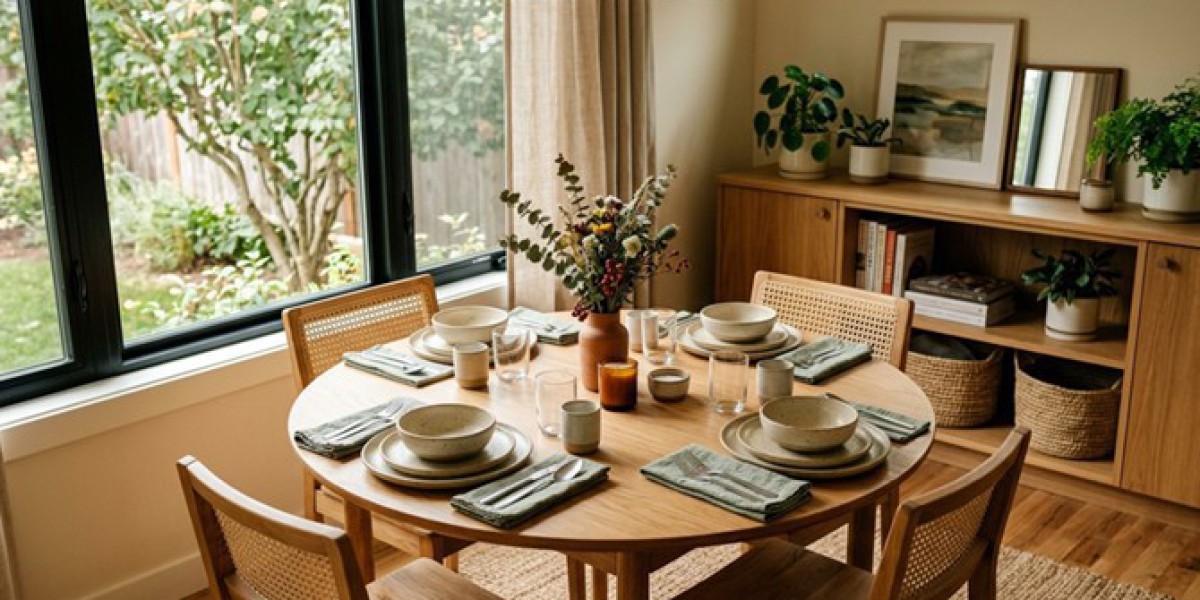
Plated meals usually have a clear place setting for each guest. Since plates and cutlery are already arranged individually, napkins can remain simple and unobtrusive.
Choose dinner napkins that fit comfortably beside the plate or sit neatly on top of it. A straightforward rectangular or square fold works well because guests can unfold the napkin easily without disturbing nearby glassware.
For everyday plated meals, cotton napkins offer a familiar option that suits casual and traditional table settings. Neutral shades can coordinate with different dinnerware collections, while a subtle pattern can add interest without competing with the food presentation.
The key is to keep each place setting balanced. A napkin should be easy to reach, not tucked beneath several items or folded into a shape that takes effort to open.
Use Practical Napkins for Family-Style Dining
Family-style dining places shared serving dishes within everyone's reach. Guests may pass bowls, refill plates, and reach across the table throughout the meal.
In this setting, choose napkins that are comfortable to handle and large enough for the meal. A medium or generously sized cloth napkin can be useful when the menu includes several dishes or sauces.
Keep the napkin beside each person's plate rather than near the central serving area. This prevents napkins from getting mixed up with serving utensils and leaves the middle of the table available for food.
Patterns can also be practical for a busy family table. Small checks, stripes, or understated prints can complement everyday dinnerware without making the table look crowded.
Select Napkins for Buffet-Style Meals
Buffet dining involves more movement than a traditional seated meal. Guests may collect their food, return to their seats, or stand while eating. The napkin should be easy to pick up and carry.
Fold napkins into compact rectangles and place them at the beginning of the buffet line or beside the plates. If the buffet includes a separate drink station, consider placing additional napkins nearby for convenience.
Cotton napkins can be a practical choice for casual buffets because they work with a wide range of serving styles. Select a color that coordinates with the table covering and serving dishes, but avoid a complicated display that slows down the line.
For larger gatherings, keep extra clean napkins in a nearby basket or on a side table. This makes replenishing supplies easier without requiring guests to search through cabinets.
Consider Linen Napkins for Multi-Course Dinners
Multi-course dinners often involve changes in plates, utensils, and serving arrangements. A napkin should remain useful throughout the meal without becoming an obstacle as the table is cleared between courses.
Linen napkins can suit these occasions because their natural texture creates a refined look without requiring elaborate decoration. They work particularly well with simple dinnerware, clear glassware, and understated centerpieces.
Choose a size that feels comfortable throughout the meal and use a fold that opens easily. Avoid placing the napkin beneath items that servers or guests may need to move.
For formal dinners, coordinate the napkin with the overall table setting rather than matching every element exactly. A restrained contrast between the napkin, tablecloth, and plates can make the arrangement feel considered while keeping attention on the meal.
Make Self-Serve Snack Tables Easy to Navigate
Snack tables often include small plates, bowls, dips, and finger foods. Guests may visit the table several times, so the arrangement should make essentials easy to find.
Place a stack of folded cloth napkins near the plates or at a clear corner of the serving area. Keep them away from open dips, sauces, and drinks to reduce accidental spills.
Smaller napkins may work for light snacks, pastries, or bite-sized foods. For heartier snacks, choose a larger option that offers more coverage.
If the gathering has several serving stations, provide napkins at each location rather than expecting guests to carry them from one end of the room. A simple, accessible setup can make a snack table easier to use.
Match Napkins to the Menu
The menu itself can help determine which napkins make sense for a meal. Light pastries and neatly plated dishes may require less coverage than foods served with rich sauces, marinades, or dips.
For saucy meals, grilled foods, and finger foods, prioritize a comfortable size and a fabric that can handle regular use. A tightly arranged decorative fold is less important than easy access and practical coverage.
For lighter meals, you can focus more on texture and presentation. Linen napkins may complement a relaxed lunch, while patterned cotton napkins can suit a casual breakfast or a colorful weekend meal.
Think about the entire meal rather than one dish. If the menu includes several types of food, choose napkins that will remain useful from the first course to the last.
Use Custom Napkins for Special Serving Events
Some meals have a specific purpose, such as a family anniversary dinner, wedding reception, or milestone celebration. In these situations, custom napkins can add a personal detail to the table.
A small monogram, event date, or understated design can coordinate with the occasion without distracting from the food. For a buffet, keep the design simple enough that the napkins remain easy to fold and distribute. For a seated dinner, coordinate the design with the place settings.
Personalized napkins are most effective when they complement the event's existing colors and decorations. They do not need to become the centerpiece; a subtle detail can be enough to make the table feel distinctive.
Keep Napkin Placement Consistent
Regardless of how food is served, consistency helps guests understand where to find their napkins. At a seated meal, place one at each setting. At a buffet or snack station, keep a clearly visible stack near the plates.
Avoid placing napkins underneath serving bowls, beside wet drink containers, or in crowded spaces where guests must move other items to reach them.
For larger gatherings, check the napkin supply before guests arrive and keep extras close by. This small preparation step helps the meal run smoothly without interrupting conversation.
Conclusion
The right cloth napkins depend on how a meal is served, what is on the menu, and how guests use the table. Simple folds work well for plated dinners, accessible stacks suit buffets, and comfortable fabrics are useful for shared family-style meals.
Choose cotton napkins for flexible everyday dining, consider Linen napkins for a more textured presentation, and use custom napkins when a special gathering calls for a personal touch. All Cotton and Linen offers napkin styles to help you create a dining setup that balances practical use with a coordinated appearance.






