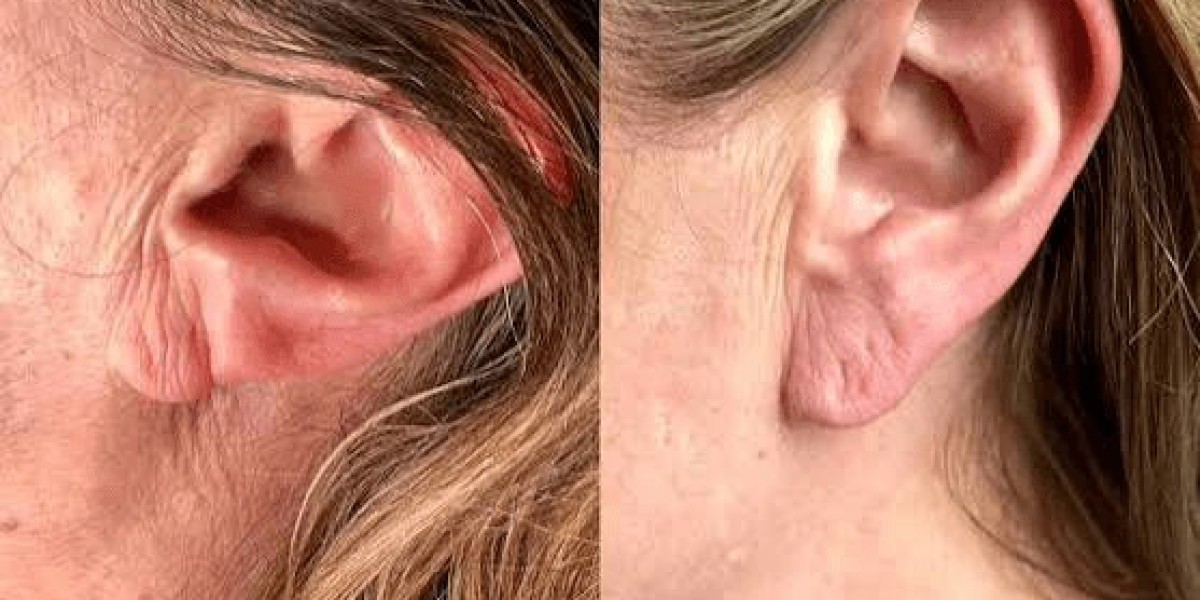

Earlobe damage does not always affect both ears equally. One person may have a single torn piercing, while another may have stretched holes or uneven earlobes on both sides. These differences can influence how treatment is planned and what a patient can expect during recovery.
Whether one or both earlobes need attention depends on the extent of the damage, the condition of the surrounding tissue, and the individual's cosmetic goals. A clinical assessment helps determine the most appropriate approach.
Why Might Only One Earlobe Need Repair?
A single earlobe can become damaged when an earring catches on clothing, jewellery is pulled accidentally, or repeated tension weakens the piercing.
In other cases, one earlobe may stretch more than the other because of differences in jewellery weight, piercing position, or previous injuries.
Torn earlobe repair may be considered when the opening has extended downward, the tissue has separated, or the earlobe's shape has changed noticeably. If the other ear is healthy, there may be no reason to treat it.
The decision should be based on the actual condition of the affected ear rather than an assumption that both sides need the same procedure.
When Might Both Earlobes Need Treatment?
Both earlobes may require assessment if they have been exposed to years of heavy earrings or if both piercing holes have become enlarged.
Common concerns include:
Stretched piercing openings on both sides.
Tears affecting both earlobes.
Different earlobe shapes following previous injuries.
Old piercing damage that makes jewellery sit unevenly.
Scarring or irregular contours affecting both ears.
Treating both sides may help address concerns involving symmetry, but the procedure and expected outcome can differ for each earlobe.
How Is Treatment Planned?
The clinician examines each earlobe individually, even when both require treatment. The assessment may include the size of the tear, the amount of healthy tissue remaining, the location of the piercing, and any existing scar tissue.
A treatment plan may involve repairing one earlobe while leaving the other unchanged, treating both during the same appointment, or staging procedures when appropriate.
The best option depends on the complexity of the damage, the patient's health, and the clinician's judgment.
Can Both Earlobes Be Repaired During One Appointment?
In selected cases, both earlobes may be treated during the same visit. This can reduce the need for separate appointments, although the total procedure time and aftercare requirements may increase.
For more complex injuries, the clinician may recommend separate treatment sessions. This can allow each area to be assessed and managed according to its specific needs.
If you are considering earlobe repair surgery in Bangalore, ask whether treating both ears together is appropriate in your case and how it may affect daily activities during recovery.
What Should You Expect During Recovery?
Recovery depends on the extent of the repair rather than simply the number of ears treated. Mild tenderness, swelling, or bruising may occur after the procedure.
If both earlobes are repaired, you may need to take extra care when sleeping, changing clothes, washing your hair, and performing activities that could pull on either ear.
Follow your clinician's instructions regarding wound care, stitch removal, and follow-up appointments. Avoid wearing earrings until you receive clearance.
Contact your clinician if you experience increasing pain, spreading redness, unusual discharge, fever, or wound separation.
Will Treating Both Ears Improve Symmetry?
When both earlobes have damage, repair may help create a more balanced appearance. However, natural differences between the ears are common, and perfectly identical results cannot be guaranteed.
The aim is to improve the shape and continuity of the affected tissue while respecting each earlobe's natural anatomy.
During consultation, discuss whether your main concern is a visible tear, uneven piercing holes, or differences in overall shape. Clear expectations help guide the treatment plan.
How Can You Protect Your Earlobes After Repair?
Once healing is complete, avoid habits that place excessive tension on the earlobes. Choose lightweight earrings, remove jewellery before activities where it may snag, and follow professional advice before re-piercing.
People seeking ear lobe repair in Indiranagar should discuss the expected results, possible scarring, and future jewellery use before proceeding.
Choosing the Right Treatment Plan
Earlobe damage can affect one ear or both, but the number of affected ears does not determine the treatment by itself. The severity of each tear, tissue condition, and personal goals all matter.
A professional assessment can help establish whether one or both earlobes need repair and whether treatment should be performed together or separately. An individualised plan supports realistic expectations and helps you prepare for recovery.






